
Plastic Injection Molding for Automotive Component
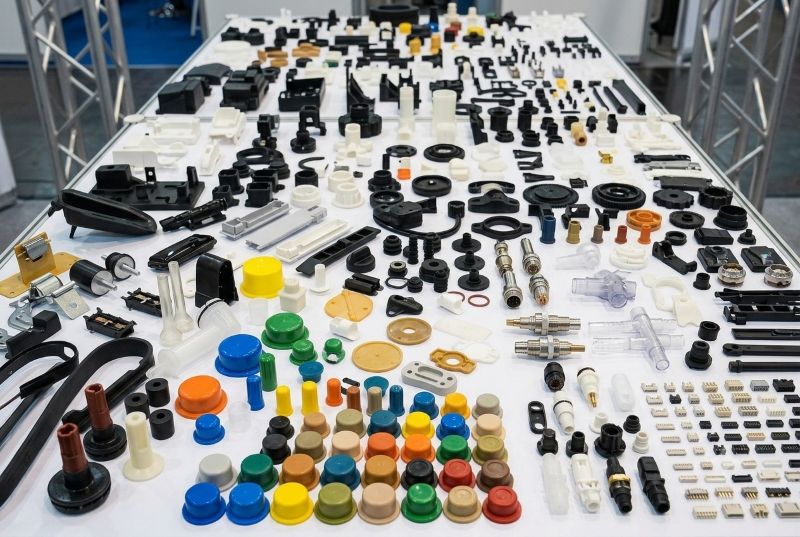
Car makers depend on plastic parts in everything from the interior and exteriors of cars to various working components in the engine compartment. While injection molding can make plastic parts consistently on a large scale, the use of plastics in the automotive industry often raises the bar in terms of precise specifications, longevity of materials, and process control.
Choosing the Right Material
Choosing the correct material is one of the early tasks while creating automotive parts through injection molded components. The parts may have to endure high temperature, vibration, chemicals, impact, or an extended exposure to changing environmental conditions.
Engineers must therefore consider the component's location and function before selecting a resin. A material suitable for an interior trim component may not provide the thermal or mechanical performance required for an under-hood application.
Designing for Injection Molding
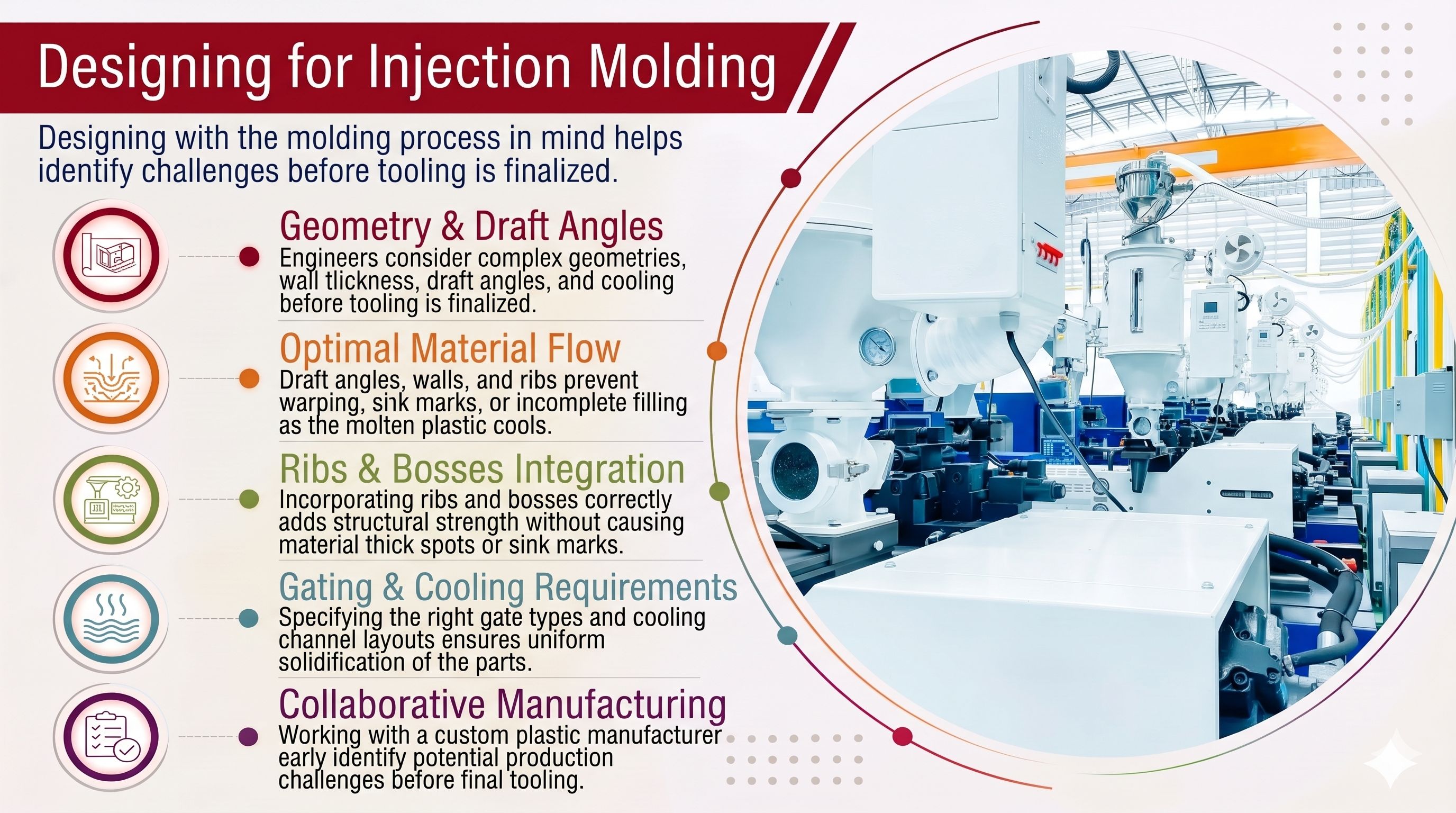
Automotive components can have complex geometries, tight tolerances, and cosmetic requirements. Designing the part with the molding process in mind can help reduce manufacturing issues.
Some of the factors that affect the flow of the molten plastic include thickness of the walls, draft angles, the use of ribs, the presence of bosses, the type of gates used, and cooling requirements. If the geometry of the part is not correct, it can cause warping, sink marks, incomplete filling, etc.
Working with a custom plastic parts manufacturer during the design stage can help identify potential production challenges before tooling is finalized.
Tooling and Production Consistency
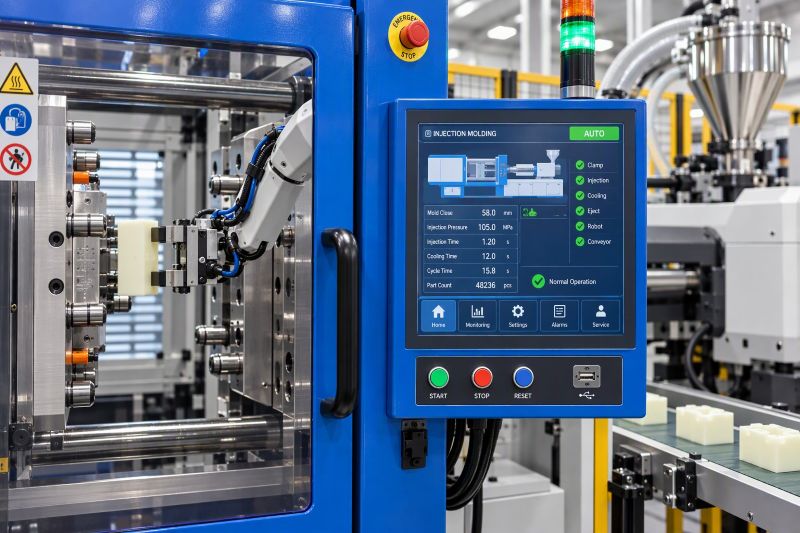
Automotive programs may require high production volumes and repeatable quality over long manufacturing runs. Tooling must therefore be designed for the expected production cycle and material.
A capable plastic injection molding manufacturer should have processes for monitoring dimensions, material consistency, machine parameters, and finished-part quality. Preventive maintenance is equally important because worn tooling can gradually affect part accuracy.
What to Look for in a Manufacturing Partner
When evaluating a plastic auto parts manufacturer, consider more than equipment capacity. Ask about engineering support, material expertise, tooling capabilities, quality inspection, production scalability, and experience with similar automotive applications.
Documentation and traceability can also become important when components are produced for demanding supply chains. A manufacturing partner should be able to maintain consistent processes and identify deviations when they occur.
For additional background on automotive plastics and their applications, the Plastics Industry Association provides industry resources covering plastics manufacturing and related technologies.
Integrated Micro-Electronics Inc. (IMI) supports the production of automotive and other engineered plastic components, combining injection molding capabilities with manufacturing and quality processes suited to demanding applications.
Other Blog

Choosing the Right Electronics Testing Services: Functional Testing and Failure Analysis Explained