We are constantly driven to discover and achieve electronics manufacturing innovations. Such innovations enable us to continuously achieve product precision while improving quality at reduced cost.
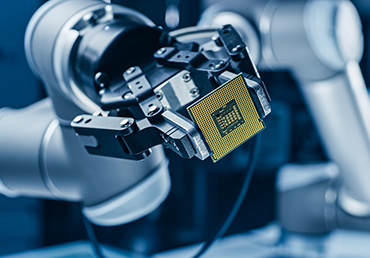
More than future-ready, we have been gearing up for the Smart Factories.
- Prototyping
- PCBA assembly
- Electromechanical assembly
- Full-Box Build Assembly (Systems Integration)
- Design
- Production
- Construction
Whatever your requirements are, we can create a customized box build assembly:
- compatible with your existing systems enabling your systems to run efficiently
- without sacrificing functionality, efficiency, compatibility and cost-effectiveness.
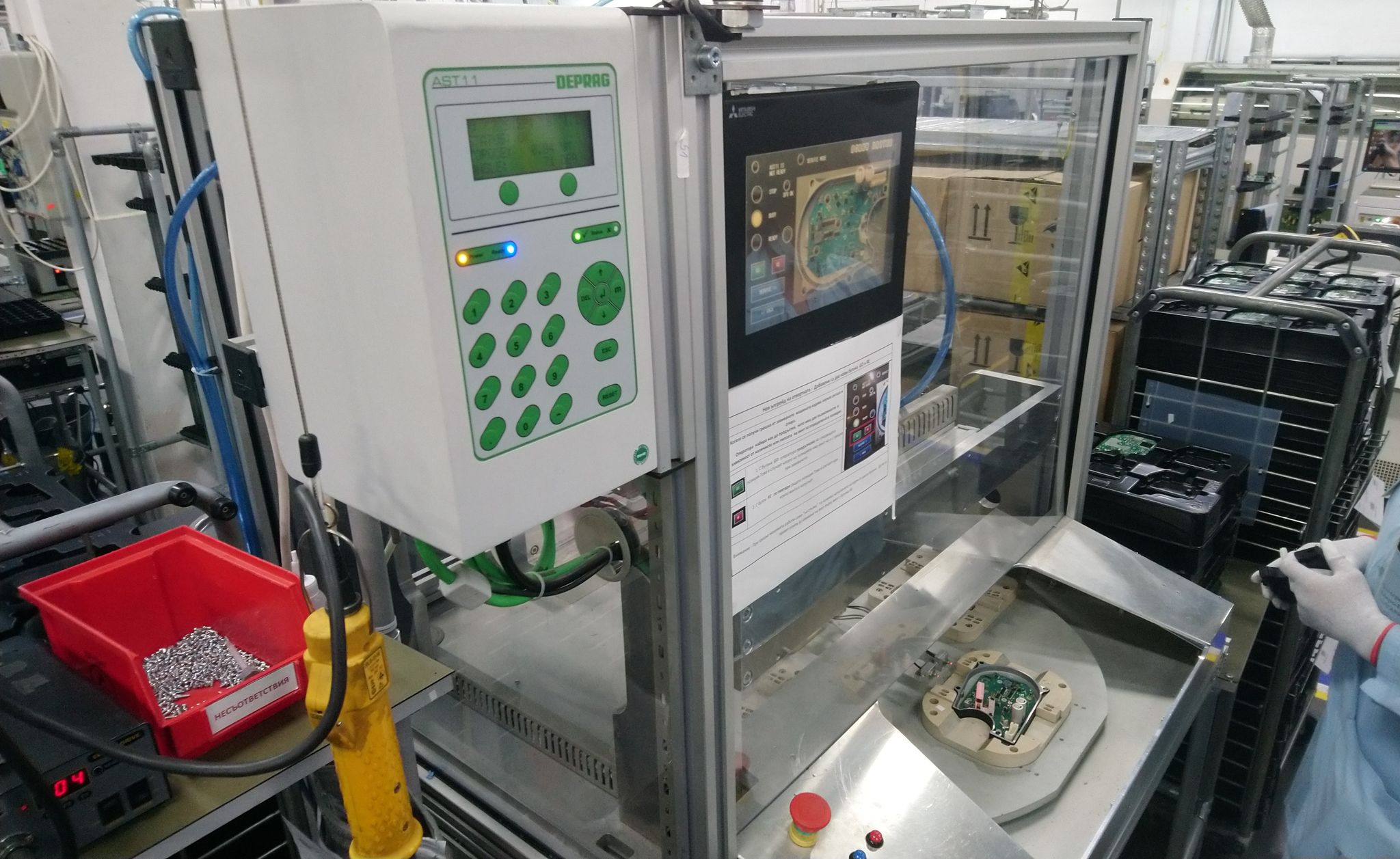

We skillfully integrate different subsystems and modules into one large system while ensuring that each integrated subsystem functions as required. We serve a wide variety of complex “build to print” and contract design manufacturing requirements and add value to systems by adding new functionalities while linking all functions from different systems.
For two decades, EMS providers competed on how faithfully they could execute someone else's drawing. That era is closing. As automotive and medical programs push more functionality into fewer assemblies, the value moves upstream — into whether your manufacturing partner can tell you, before tooling is cut, which design choices will survive volume.
At IMI, that's why we invest in things like Electrical Resistance Welding with Optimized Low Energy and in-house-designed high-flexibility robotic cells. Not because automation is fashionable, but because a process you designed yourself is a process you can change when the product changes. Build to print gets you a part. Design-for-manufacturability partnership gets you a program that scales.
- After-market services
- Industry 4.0 Solutions
We skillfully integrate automated lines to further drive efficiency and quality in all level

Frequently Asked Questions
1. What is the difference between surface mount and through-hole assembly?
Surface mount technology places components directly onto pads on the board surface, which allows smaller parts, higher density, and faster automated placement. Through-hole technology inserts component leads through drilled holes and solders them on the opposite side, which creates a stronger mechanical bond. Through-hole is still used for connectors, large capacitors, and parts that take physical stress. Many products use both methods on the same board, which is called mixed technology assembly.
2. What quality standards apply to electronics manufacturing?
The IPC-A-610 acceptability standard is utilized to evaluate the quality of workmanship for electronic assemblies, while IPC-A-620 pertains to wire harness and cable work. Furthermore, quality management systems are generally certified to ISO 9001 and may include sector-specific additions like IATF 16949 for automobiles, ISO 13485 for medical equipment, and AS9100 for aviation. Regarding environmental regulations, RoHS and REACH restrictions on hazardous materials must also be taken into account. Prospective partners should be asked about the standards that are relevant to your industry to come to a final decision.
3. Which industries use electronics manufacturing services?
Automotive electronics, industrial equipment, medical devices, aerospace and defense, telecommunications infrastructure, consumer products, and energy systems all rely on outsourced electronics manufacturing. Requirements differ sharply between them. Automotive and medical programs demand traceability down to the component lot and formal change control. Consumer programs prioritize cost and speed to market. A provider serving regulated sectors needs the certifications, documentation discipline, and test engineering depth to match.
4. What information do you need to quote an electronics manufacturing project?
A quote needs the bill of materials, Gerber or ODB++ files for the board, an assembly drawing, and any test specifications. Add expected annual volume, target build schedule, and the industry or regulatory requirements that apply. Mechanical drawings and a packaging specification are needed for full product or box build work. Incomplete files are the most common cause of quoting delays, so send what you have early and flag anything still in development.
5. What is the difference between in-circuit test and functional test?
Supports test capability intent and fills the largest gap in the current set, which mentions testing only in passing. Captures technical comparison intent from engineering buyers evaluating whether a partner can validate their product, not just build it.