
The Future of Electronics Manufacturing in 2026
Key Takeaways
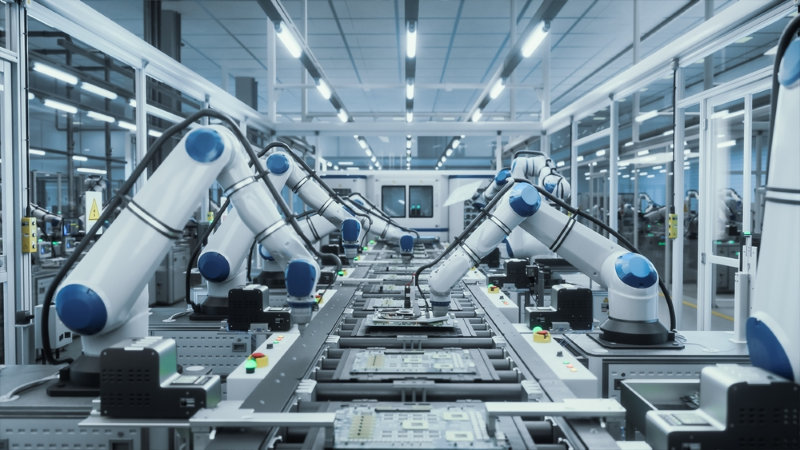
- Automation, AI, and smart factories are transforming electronics manufacturing services.
- In 2026, supply chain resilience and regional manufacturing strategies remain important considerations in business decisions.
- Manufacturers are increasingly facing the challenge of sustainability and digitalization as a competitive advantage.
- Companies can rely on an experienced manufacturing partner to help them move towards innovation and product quality at a much faster pace.
Electronics manufacturers head into 2026 with greater emphasis on supply chain resilience, digital manufacturing, and product complexity owing to changing customer demands and ongoing technological evolution. 2026 is marked by a focus on resilience, sustainability, and innovation.
From building the next generation of consumer devices, automotive electronics, industrial machines, and medical technologies, businesses that adopt these trends will be more successful in the long run.
Stronger Supply Chains Drive Business Growth
Ongoing challenges such as semiconductor shortages, fluctuating electronic components availability, and global logistics disruptions have made supply chain resilience a top priority for electronics manufacturers.
To reduce supply chain risk, manufacturers are diversifying suppliers, strengthening inventory planning, improving PCB and component sourcing strategies, and using digital supply chain tools to increase visibility across production.
Providers of electronic manufacturing services are helping customers manage component shortages, improve procurement of critical electronic parts, and maintain production schedules despite ongoing market fluctuations.
Strong supplier partnerships, lifecycle management, and greater supply chain visibility enable manufacturers to respond more effectively to component shortages, product obsolescence, and changing customer demand.
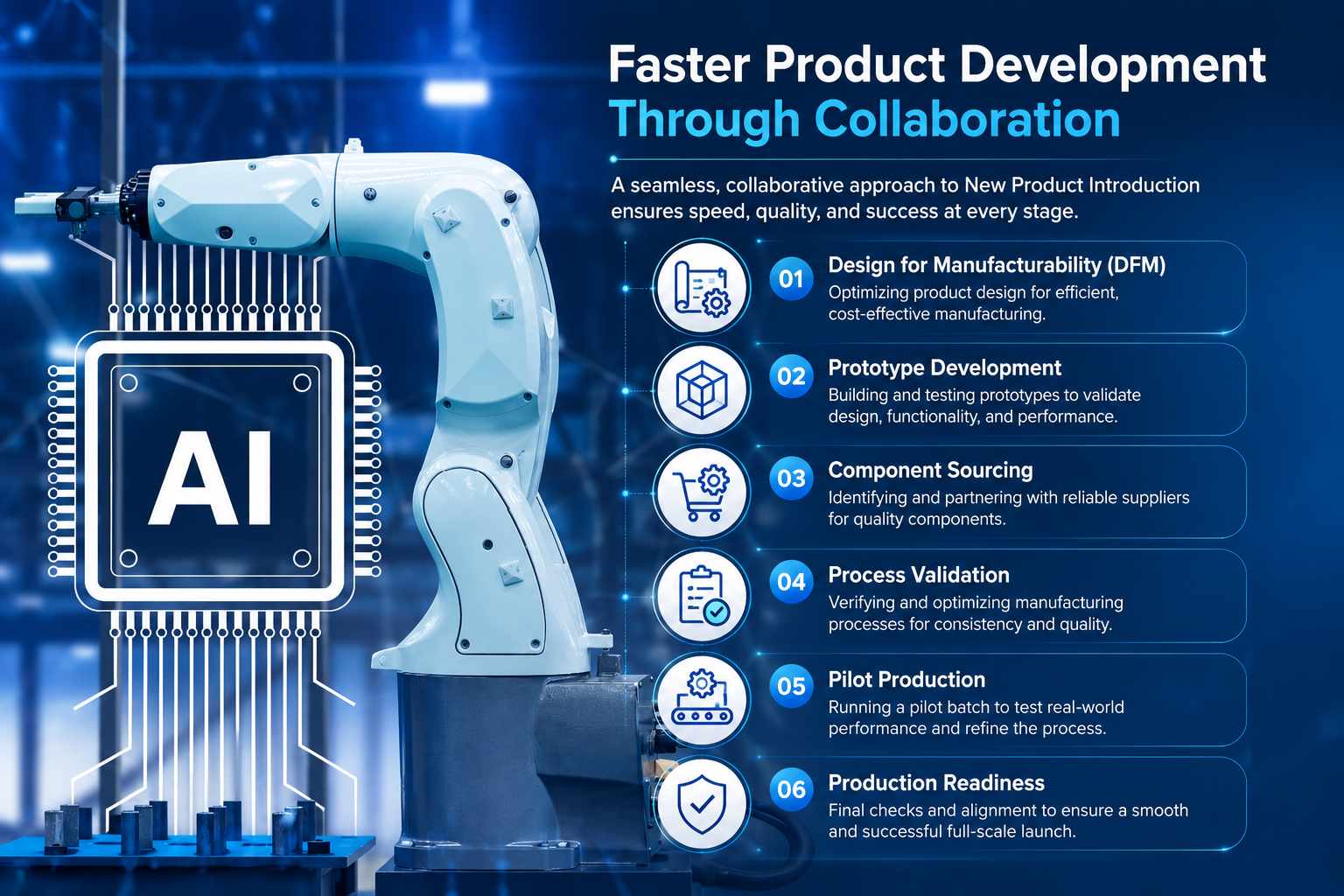
Early collaboration helps identify design issues before production, improves manufacturability, reduces costly redesigns, and supports a smoother new product introduction process.
Advanced EMS Capabilities Continue to Expand
Currently, EMS manufacturers provide a variety of services rather than just PCB assembly including engineering services, prototype development, supply chain management, testing, and product lifecycle management.
In fact, most companies provide integrated services that combine engineering support, supply chain management, testing, quality assurance, logistics, and lifecycle management.
Such an approach may be useful for businesses because it makes communication between employees better, production easier, and ensures the following of the same norms and conduct during the whole process of manufacturing.
Quality and Compliance Remain Essential
Advances in electronic products are continually driving the adoption of new test equipment, new traceability and quality management systems.
Modern electronics manufacturing facilities use automated optical inspection (AOI), functional testing, traceability systems, and comprehensive quality management processes to identify issues before products reach customers. International Standards continue to be a necessity in regulated areas like automotive, aerospace, industrial automation and medical devices.
AI and Smart Manufacturing Continue to Advance
The inclusion of artificial intelligence in the field of electronics manufacturing is rising. The manufacturers have begun using analytics based on AI capabilities for making improvements to production planning process, optimizing performance of machines and predicting maintenance needs of equipment, and enhancing quality assessment processes.
When combined with smart factory technology and production data in real time, these features allow achieving better results in minimizing downtime and boosting overall efficiency of manufacturing processes.
Preparing for the Future with the Right Manufacturing Partner
Innovation, collaboration, and adaptability will be the key drivers of the future of electronics manufacturing. Having manufacturing partners who are experienced in their field greatly assists companies in overcoming new technologies, supply chain issues, and customer expectations.
Integrated Micro-Electronics. Inc (IMI) brings decades of manufacturing experience and cutting-edge production capabilities to help customers innovate faster, produce higher quality products, and successfully introduce new products. From new technologies to expanding production, our team is dedicated to providing you with dependable manufacturing solutions, ensuring your success and growth.
Frequently Asked Questions
1. What trends are shaping electronics manufacturing in 2026?
The current industry trends that are affecting the most are automation, artificial intelligence, smart factories, digital supply chains, sustainability and advanced quality management systems. These technologies contribute to increasing efficiency, resilience and product quality.
2. What are electronic manufacturing services?
Electronic manufacturing services include product assembly, engineering support, supply chain management, testing, logistics, and lifecycle management. EMS providers assist companies in producing electronic products in a smart and efficient way, ensuring quality and compliance.
3. Why is new product introduction important?
The structured process of introducing a new product helps the manufacturer validate designs, optimize production, minimize risk and achieve faster time to market. If the product is produced in a collaborative way, the quality of the product and the manufacturing problem will be better.
4. How is automation changing electronics manufacturing?
Automation leads to greater production accuracy, the elimination of repetitive tasks, better quality control, and real-time production insights. It's also a way for manufacturers to gain efficiency and to not supplant skilled workers.
5. Why should companies partner with an experienced EMS manufacturer?
Technical expertise, scalable production, supply chain support, and strong quality systems are provided by an experienced EMS partner. This enables businesses to concentrate on innovation while simultaneously guaranteeing products are made successfully and at a great pace.
Other Blog
Why ISO/IEC 17025 Accreditation Matters for Testing and Calibration Laboratories