From Functional Testing to Failure Analysis: The Role of Electronics Testing Services
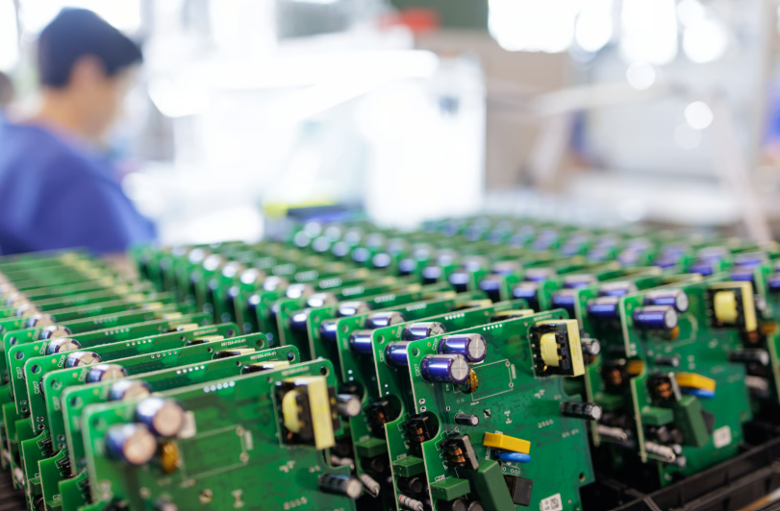
Testing is an essential part of modern electronics production. A finished assembly may look correct while still containing an electrical, mechanical, or process-related defect. A structured testing program helps manufacturers identify those issues before products reach customers and provides useful information for improving production over time.
Where Functional Testing Fits
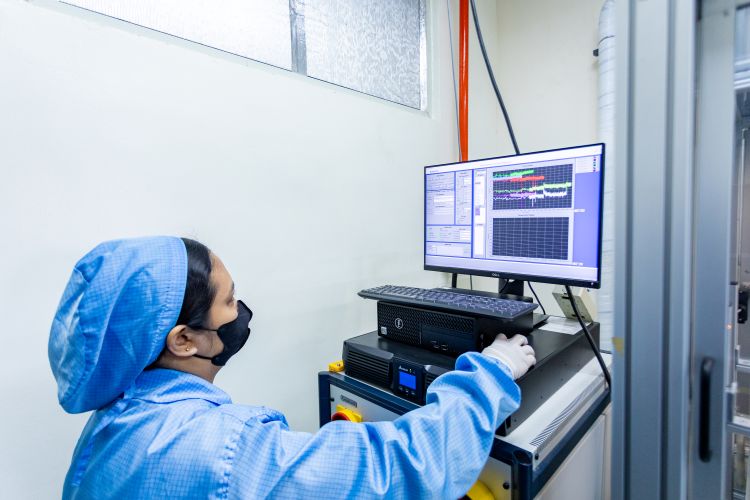
Functional testing services evaluate whether an electronic product performs its intended functions under specified operating conditions. Depending on the product, this may involve checking power behavior, inputs and outputs, communication interfaces, software-controlled functions, or other performance requirements.
Unlike a purely visual inspection, functional testing examines what the product actually does. This makes it particularly useful for identifying problems that may not be apparent from the appearance of an assembly.
When Failure Analysis Is Needed
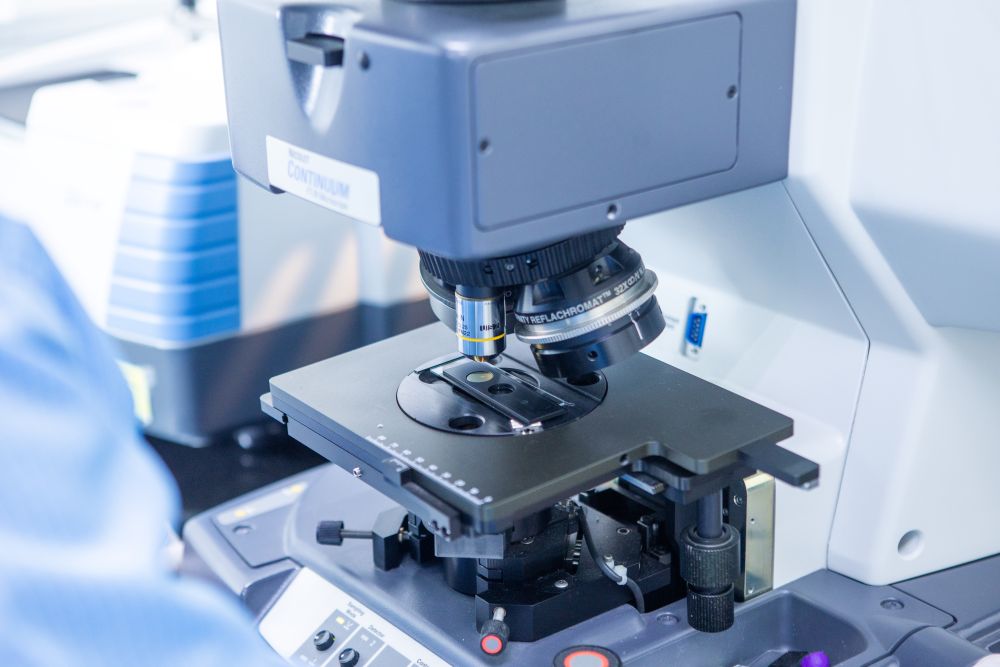
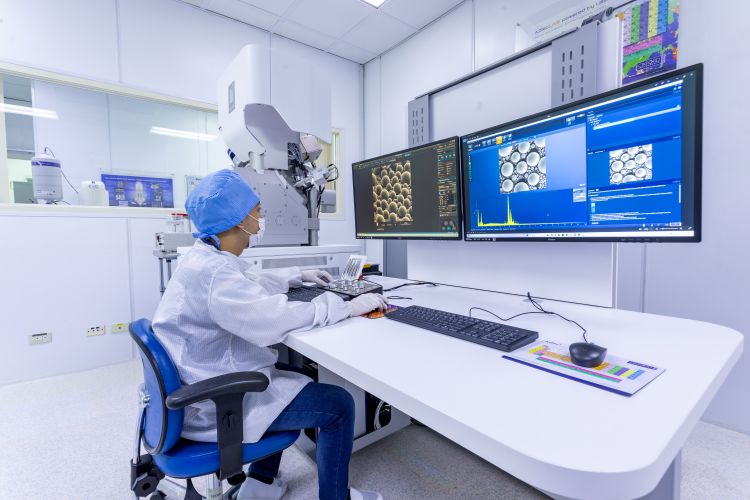
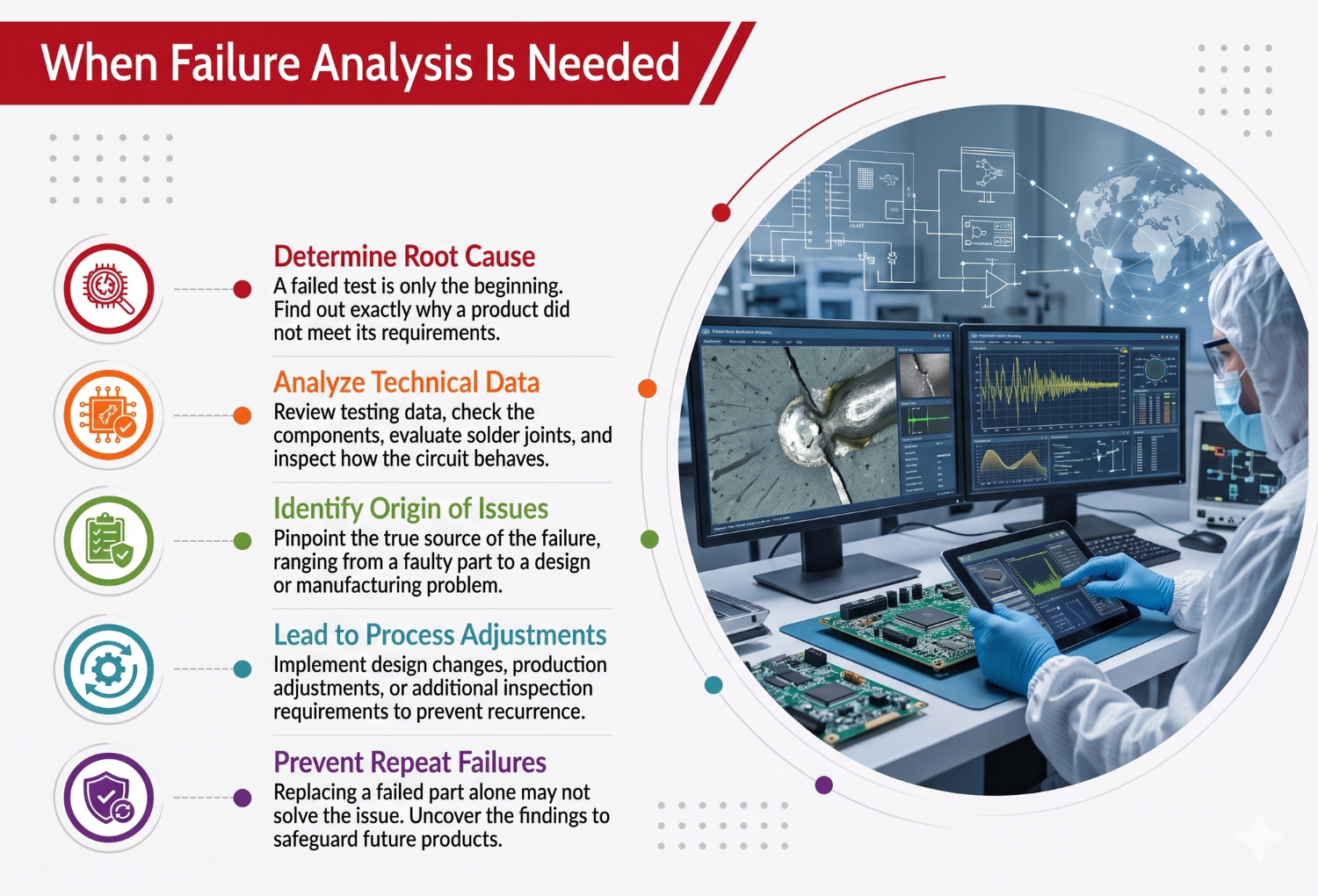
A failed test is only the beginning of an investigation. Failure analysis services help determine why a product did not meet its requirements.
Engineers have the ability to analyze the testing data, check the parts, check whether the solder points are alright and understand how the circuit works or check the environmental circumstances. There are many reasons behind such matters, ranging from a faulty part to a design or a manufacturing problem.
Finding the root cause matters because replacing a failed part alone may not prevent the problem from occurring again. The findings can instead lead to process adjustments, design changes, or additional inspection requirements.
Supporting Contract Electronics Manufacturing
For companies using contract electronics manufacturing, testing capabilities should be considered alongside production capacity and assembly expertise. A manufacturing partner that can connect production data with testing and failure analysis can provide better visibility into recurring quality issues.
This can also shorten the feedback loop between manufacturing and engineering. Instead of treating testing as the final step, manufacturers can use results to improve processes throughout production.
Creating a More Complete Testing Strategy
Effective electronic manufacturing solutions typically combine several layers of verification rather than relying on one test method. Visual inspection, automated testing, functional verification, and failure analysis each provide different information.
The U.S. Department of Energy's reliability and testing resources offer broader context on how testing and reliability considerations support technology development.
For manufacturers, the objective is straightforward: detect problems early, understand their causes, and use those findings to improve future production. Integrated Micro-Electronics Inc. (IMI) brings testing and manufacturing capabilities together to support electronics production where reliability and consistent performance are critical.