How Injection Mold Design Impacts Part Quality
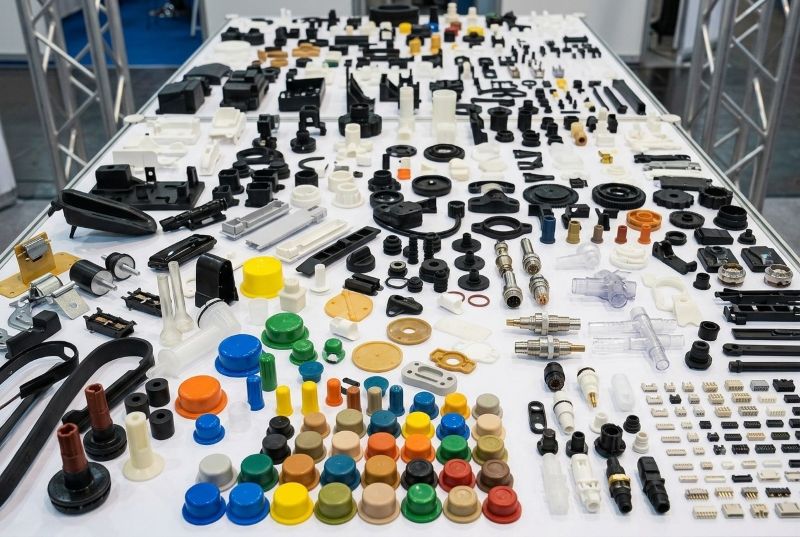
Injection molding can produce thousands of consistent parts, but the mold behind those parts plays a major role in determining the final result. Decisions made during mold design can influence dimensional accuracy, surface appearance, tooling costs, cycle times, and even how easily a part can be manufactured.
Designing for Better Part Quality
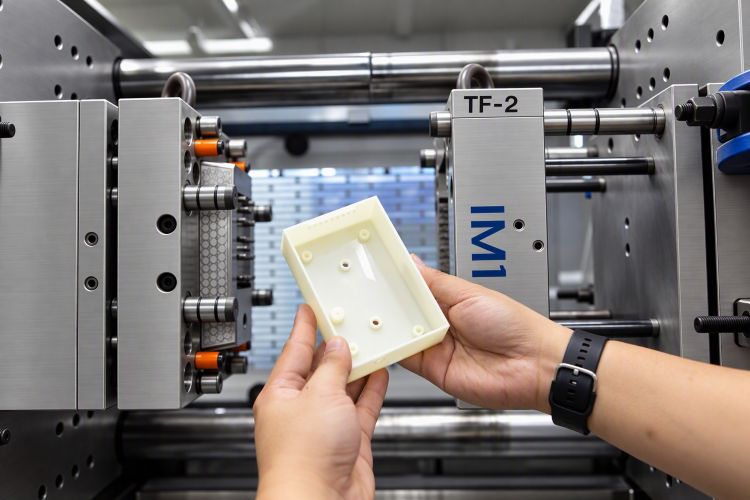
Features such as wall thickness, draft angles, gates, cooling channels, and ejection points all affect how molten plastic fills and solidifies inside the mold. Uneven wall thickness, for example, can contribute to warping or sink marks, while inadequate draft can make part ejection more difficult.
These factors are of utmost importance in highly precise injection molding as the amount of leeway is little. Going through the part design and mold design at the same time allows avoiding challenges after completing tooling.
How Mold Design Affects Cost
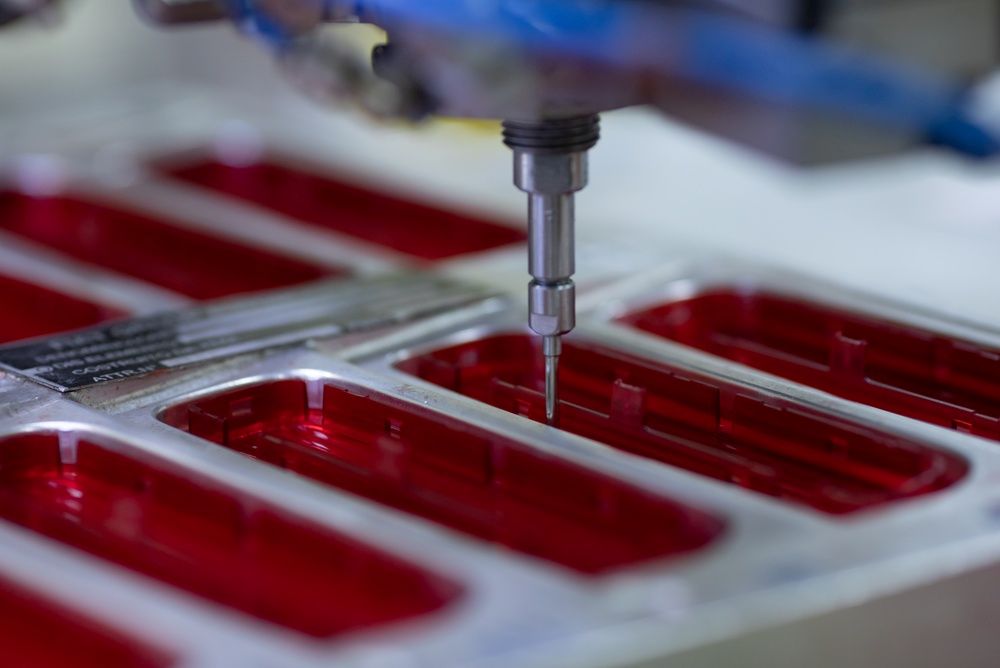
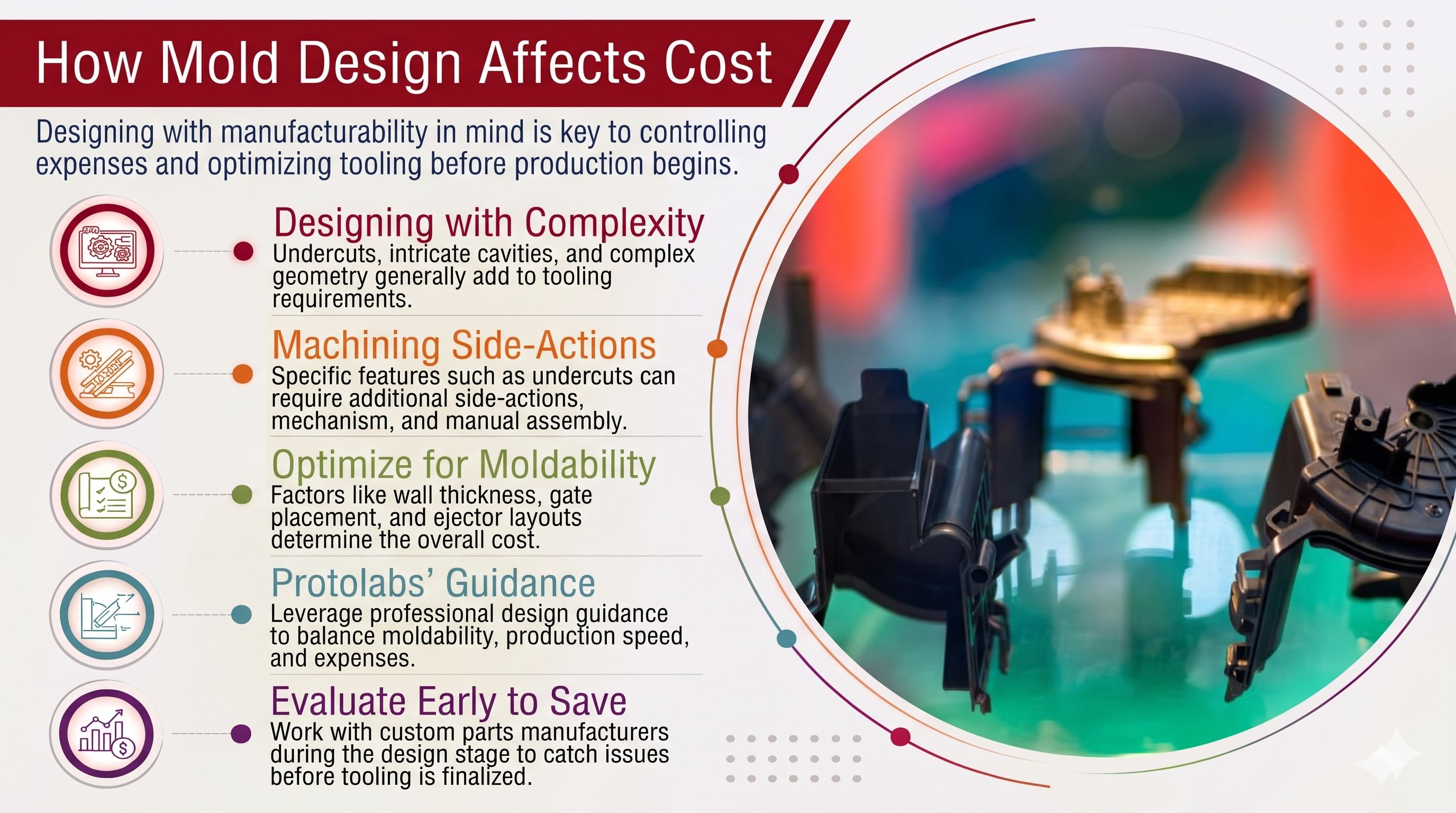
Complexity generally adds to tooling requirements. Undercuts may require side-actions or other mechanisms, while intricate cavities, specialized finishes, and additional components can increase machining and assembly work.
Designing with manufacturability in mind can help control these expenses. Protolabs' injection molding design guidance highlights features such as undercuts, wall thickness, gates, and ejector layouts that can affect moldability, cost, and production efficiency.
A custom plastic parts manufacturer can evaluate these factors early, when design changes are usually less expensive than modifications made after tooling has been completed.
Reducing Production Time
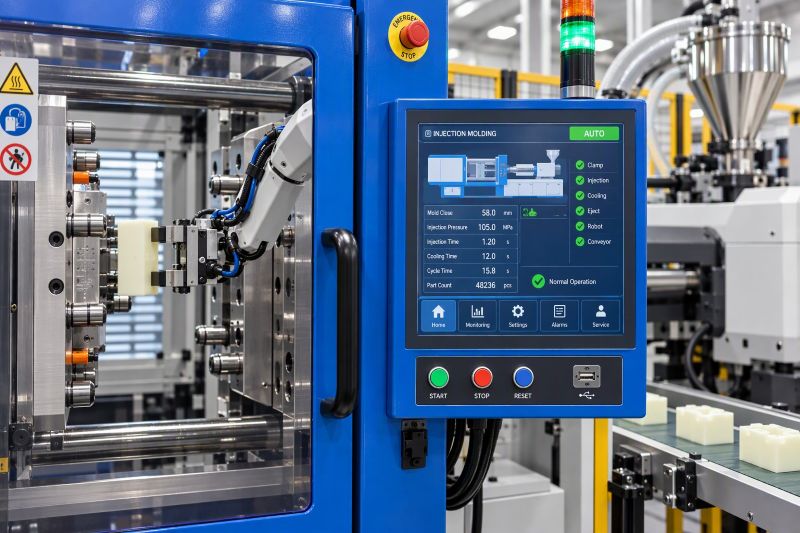
Mold design also influences cycle time. Efficient cooling can help parts reach the required rigidity sooner, while straightforward ejection can reduce delays between cycles. Multi-cavity molds may increase output when production volumes justify the additional tooling investment.
Poorly designed molds can have the opposite effect. Rework, difficult ejection, uneven cooling, and recurring defects can extend production schedules and increase waste.
Supporting Specialized Applications
For projects such as medical injection molding, mold design must account for more than speed and cost. Consistent dimensions, material behavior, surface requirements, and applicable quality processes all matter.
The right injection molding solutions balance these factors rather than optimizing one at the expense of another. Integrated Micro-Electronics Inc. (IMI) combines engineering and manufacturing capabilities to support customers developing molded components where quality, repeatability, and production efficiency are important.
Other Blog