
How Quality Control Reduces Manufacturing Costs
Key Takeaways
- Quality control helps identify defects early, reducing scrap, rework, and production delays.
- Strong quality processes improve product reliability and customer satisfaction while lowering long-term costs.
- Integrating quality management into new product introduction helps prevent expensive manufacturing issues later.
- Investing in preventive quality measures is often more cost-effective than fixing problems after production.
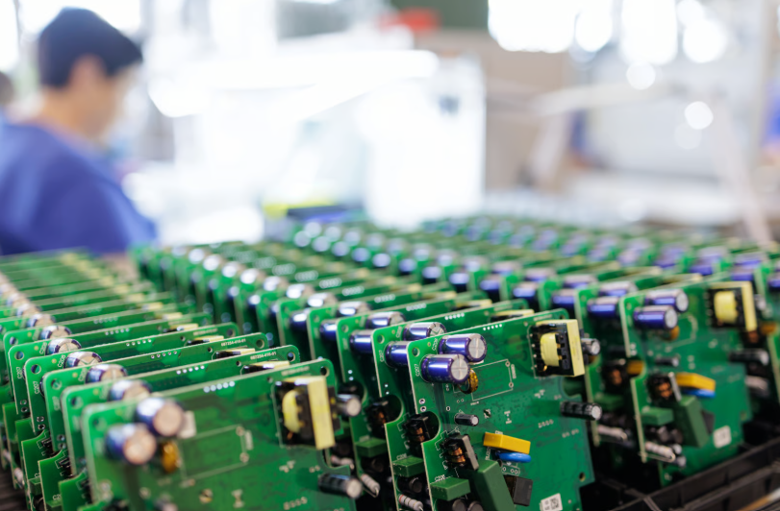
Being able to manage manufacturing costs effectively in today's competitive environment is not only about procuring raw materials at lower prices or increasing production rates. It is possible to enhance profitability through the implementation of quality control processes at each stage of production.
For companies involved in electronics manufacturing, quality is something more than mere compliance, but rather a real investment. The earlier the defects are detected and avoided, the less waste and the more effective the production process is, as well as the company's reputation is protected.
Why Quality Control Matters
Quality control guarantees that products always comply with the design specifications, performance specifications, and expectations of the customer. Instead of detecting the defects after delivery, electronics manufacturers track and oversee all the manufacturing process using standardized inspections, traceability, and testing to discover any defects beforehand.
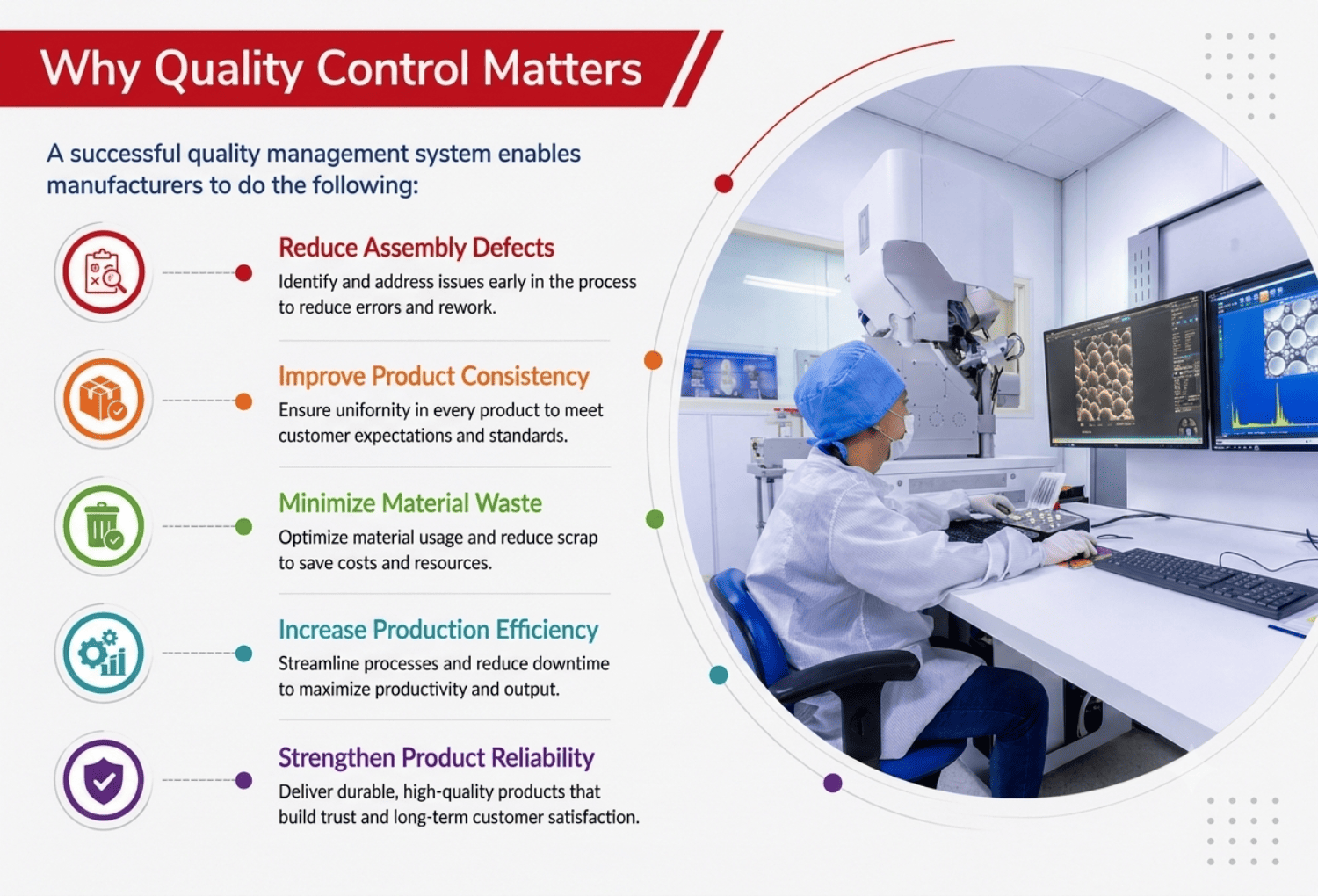
By preventing defects instead of correcting them, manufacturers cut down on costs.
Reducing Scrap and Rework
Defective products often require additional labor, replacement materials, and production time. In some cases, products cannot be repaired and must be discarded entirely.
Strong quality control identifies problems early through automated optical inspection (AOI), functional testing, in-process inspections, and standardized production procedures. This reduces:
- Scrap materials
- Product rework
- Equipment downtime
- Production interruptions
Lower waste translates directly into lower manufacturing costs and improved resource utilization.
Improving New Product Introduction
Quality control ought to be integrated into the processes that lead to production. In any case of new product introduction, manufacturers assess the concepts of product design, manufacturing techniques, and potential risks that manufacturing might bring in terms of production.
Now techniques such as DFM, prototype testing and pilot production will be able to detect problems that could potentially result in expensive redesign or delays in production.
Better Supplier Quality Means Better Products
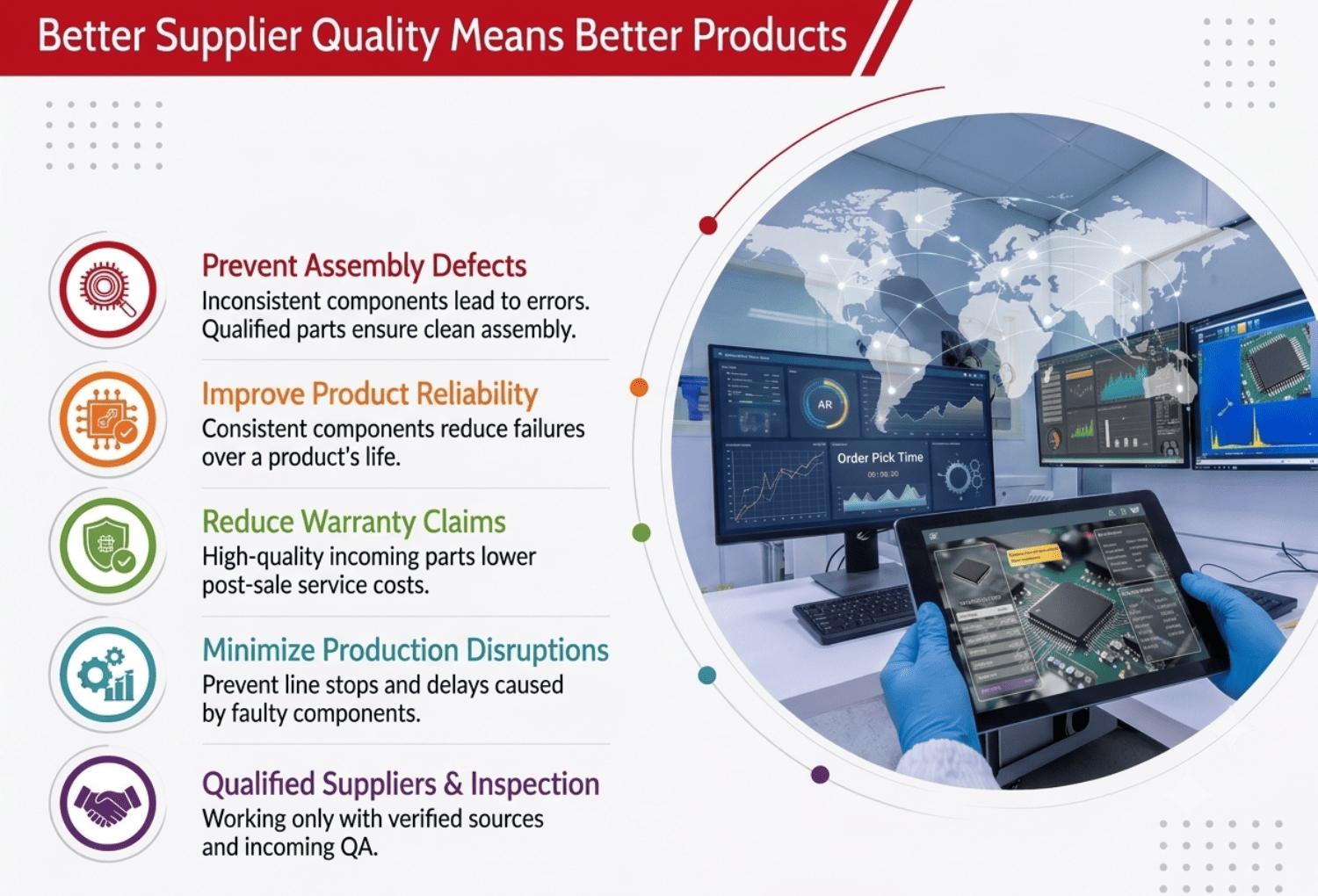
The performance and reliability of finished products depend heavily on the quality and consistency of incoming electronic components. Even well-designed manufacturing processes cannot compensate for inconsistent materials.
Leading EMS providers work closely with qualified suppliers and perform incoming quality inspections to verify component specifications before production begins.
Lower Warranty and Service Costs
Quality control doesn't end when a product leaves the factory. Reliable products generate fewer customer complaints, warranty claims, and product returns.
Reducing field failures provides several financial benefits:
- Lower repair costs
- Fewer product replacements
- Reduced technical support expenses
- Higher customer satisfaction
- Stronger brand reputation
Preventing a defect during manufacturing is almost always less expensive than correcting it after the product reaches the customer.
Data-Driven Continuous Improvement
Modern electronics manufacturing relies on production data, traceability systems, and real-time process monitoring to improve quality and identify opportunities for continuous improvement.
Inspection results, functional test data, process monitoring, and manufacturing analytics allow engineering teams to identify recurring issues, perform root cause analysis, and continuously optimize production.
Continuous improvement programs help manufacturers:
- Improve production efficiency
- Reduce process variation
- Increase first-pass yield
- Optimize manufacturing workflows
- Lower long-term operating costs
Organizations that consistently analyze quality data often achieve sustained cost savings over time.
Quality Control Builds Long-Term Value
Although strong quality systems entail costs, eliminating defects early costs much less than dealing with failures after the product has been developed. Fewer defects, higher productivity, better customer relations, and less waste lead to higher profits.
Instead of considering quality control as a cost, successful manufacturers view it as a key factor in achieving many things.
Partner with a Manufacturer Committed to Quality
Effective quality management requires more than inspections; it depends on experienced engineering teams, validated manufacturing processes, reliable supply chain management, and continuous improvement. Integrated Micro-Electronics. Inc (IMI)integrates quality throughout the product lifecycle, helping customers improve manufacturing efficiency, reduce risk, and deliver reliable electronic products that meet global quality standards.
With decades of experience in advanced manufacturing, Integrated Micro-Electronics. Inc (IMI)helps customers reduce risk, improve efficiency, and deliver reliable products that meet global quality standards.
Frequently Asked Questions
1. How does quality control reduce manufacturing costs?
Quality control helps identify defects before products move through production or reach customers. This reduces scrap, rework, warranty claims, and production delays, resulting in lower overall manufacturing costs.
2. Why is quality important in electronics manufacturing?
Electronic products contain complex assemblies and sensitive electronic components that require precise manufacturing, rigorous testing, and consistent quality control to ensure reliable performance.
3. What role does new product introduction play in quality?
During new product introduction, manufacturers validate product designs, manufacturing processes, and production readiness. Addressing issues early helps avoid costly redesigns and production problems later.
4. How do electronic components affect product quality?
The quality of electronic components directly influences product performance and reliability. Using trusted suppliers and inspecting incoming materials helps prevent manufacturing defects and improve finished product quality.
5. Why should manufacturers invest in quality control?
Investing in quality control helps manufacturers reduce waste, improve first-pass yield, lower warranty costs, strengthen customer confidence, and support long-term operational efficiency.
Other Blog


Why ISO/IEC 17025 Accreditation Matters for Testing and Calibration Laboratories