What Is Sustainable Manufacturing Benefits & Technologies

The transition toward net-zero operations defines a new era of industrial equilibrium, where greenhouse gas emissions are minimized and balanced by equivalent carbon removal. This shift is no longer a peripheral goal but a core structural mandate for high-emission sectors seeking long-term sustainability. To achieve this balance, organizations are prioritizing alternative production methods and the mobilization of strategic finance to scale green solutions.
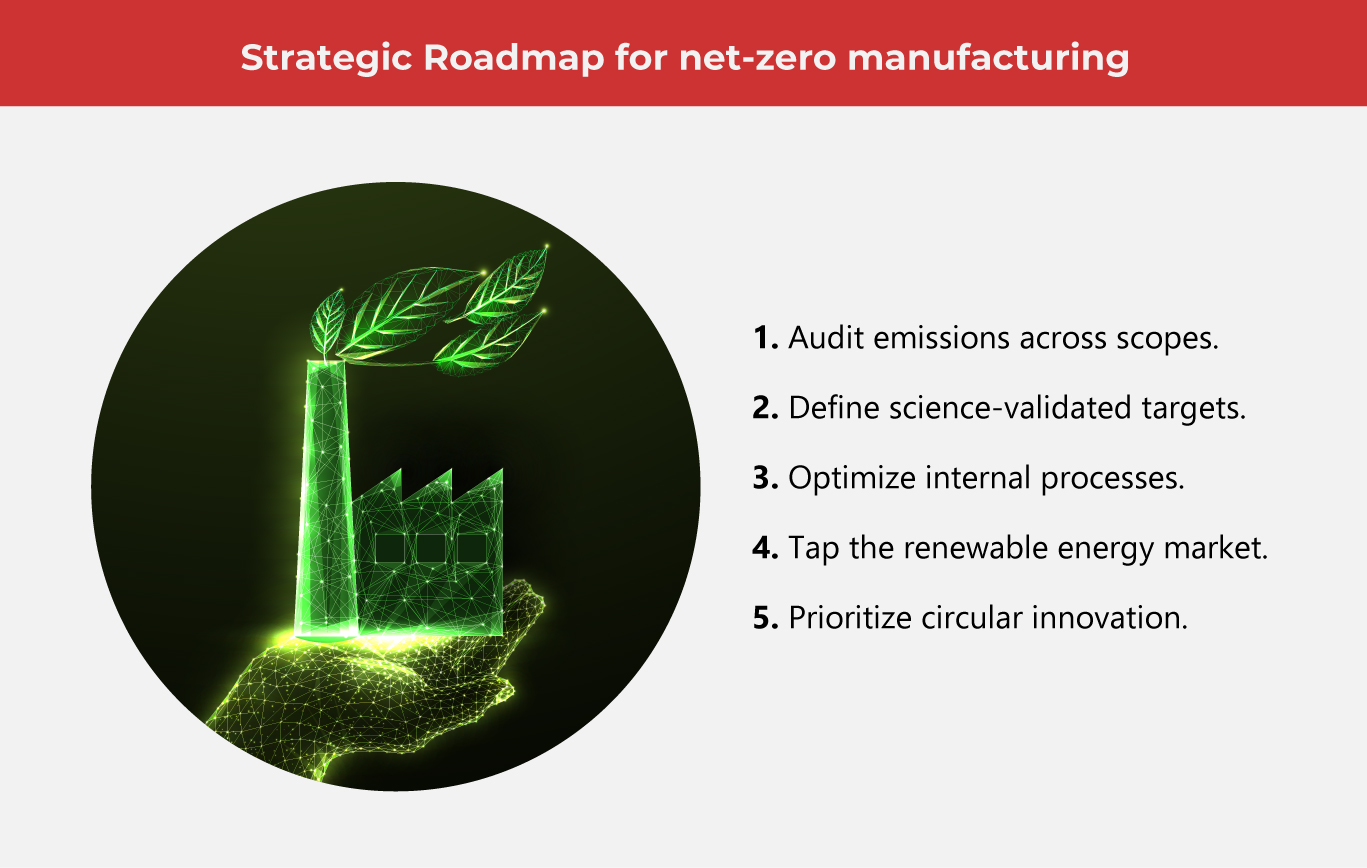
Central to this transformation is the integration of advanced manufacturing technologies and industries. By categorizing emissions and identifying critical process pain points, firms can map clear pathways toward carbon neutrality. This analysis focuses on the systems most ripe for disruption, underscoring the technical and methodical frameworks required to transition toward regenerative practices.
Furthermore, the World Economic Forum highlights corporate procurement as a primary lever for change. Because supply chain management typically accounts for 50 to 70% of a company’s total footprint, optimizing sourcing and logistics is essential. By embedding green standards into the procurement lifecycle, businesses can transform their supplier relationships into a powerful engine for global environmental recovery.
(Also read: How to Reach Net Zero)
The Strategic Advantages of Decarbonization
The transition to net-zero industrial models offers a transformative pathway to improve operational efficiency by balancing greenhouse gas emissions with strategic removal. This evolution addresses three critical dimensions: Scope 1 covers direct onsite combustion, Scope 2 manages indirect energy purchases, and Scope 3 tackles the expansive value chain. By integrating advanced manufacturing solutions that mitigate emissions at the source and capture atmospheric carbon, industries can move beyond traditional compliance.
-
Ecological impact
Transitioning to net-zero models creates a strategic ecosystem for innovation. Prioritizing environmental indicators ensures compliance with climate targets, drastically reducing resource extraction and waste. This shift allows ecosystems to recover, restoring vital habitats and mitigating species loss. Ultimately, industry gains from enhanced biodiversity and stabilized climates, which provide more predictable operating conditions and minimize the frequency of losses caused by severe environmental hazards.
-
Investment appeal
Investors are increasingly filtering their portfolios through a rigorous environmental test, viewing carbon neutrality as a proxy for long-term viability. By aligning with global climate targets, companies reduce their exposure to carbon taxes and stranded assets, making them significantly more attractive to risk-aware funds. Companies with robust sustainability transition plans are better positioned to attract long-term capital and manage the financial volatility associated with the global energy transition.
-
Consumer trust
Consumers increasingly favor products with sustainable lifecycles, aligning with evolving societal standards and potential cost savings from efficient, greener operations. As the industrial market shifts toward a low-carbon economy, maintaining a polished corporate image is essential for competitiveness. To meet rising eco-friendly demand and avoid public criticism, companies must modernize their processes, ensuring their products remain both ethically sound and price-competitive in a climate-conscious era.
-
Operational Resilience
This structural shift toward an emission equilibrium does more than shield infrastructure from volatile global regulatory changes; it fundamentally optimizes resource use. By adopting a future-ready framework, industries transition into leaner, stronger production ecosystems. These modernized operations minimize waste and energy overhead, ensuring long-term viability in a decarbonizing economy.
(Also read: Top 10 Sustainable Trends that Boost Manufacturing)
Net-Zero Manufacturing Innovations
With system integration at its core, here are the innovations driving sustainable manufacturing forward.
-
Green materials and production
Decarbonizing heavy industry requires tailored strategies that bridge the gap between advanced northern technologies and the unique constraints of emerging economies. Prioritizing sectors like aerospace, cement, and electronics, the focus must shift toward minimizing waste and energy consumption through material composition analysis and comprehensive lifecycle assessments. This sustainable transition hinges on integrating bio-based materials and renewable energy, ensuring high-growth manufacturing sectors remain competitive while achieving long-term climate resilience.
-
Optimized power solutions
Modernizing energy infrastructure relies on integrating high-performance energy systems and digital demand-side tools. By optimizing material use and recycling, these innovations deliver significant environmental and economic gains. An analysis of iron and steel production reveals that adopting advanced machinery and energy storage is the most direct path to slashing CO2 emissions. However, success depends on a firm's innovation capacity and organizational structure. Utilizing a specialized toolbox for modeling energy flows ensures these transitions remain both feasible and cost-effective.
-
Circular ecosystems
Forward-thinking manufacturers are moving beyond traditional linear models to embrace integrated circular frameworks that prioritize reuse and high-level refurbishment. By redesigning product architectures to support closed-loop systems, industries significantly decrease their reliance on raw material extraction and minimize industrial waste. This strategic shift not only protects operations against global supply chain volatility but also optimizes the recovery of high-value components. Ultimately, adopting these sophisticated processes creates a production environment that aligns perfectly with international decarbonization mandates.
-
Resilient procurement models
Modern manufacturers are restructuring their operations to harmonize growth with environmental stewardship, moving beyond internal processes to ensure ethical sourcing and low-impact materials. Central to this transition is maintaining high supplier quality through transparency and ESG-aligned practices. By adopting these standards, businesses can mitigate long-term risks and unlock significant economic value. These nature-focused supply chains prioritize traceability, ensuring that every link in the production loop contributes to a more sustainable and ultimately more competitive global presence.
Ensuring Long-Term Industrial Viability
To secure lasting success, the transition to net-zero must evolve from a compliance-driven task into a foundational business strategy. True sustainability in this context means building an architecture that thrives over decades, not just until the next regulatory deadline. By embedding circularity and high-performance energy systems into the core of production, companies can decouple their growth from resource depletion and volatile commodity markets.
The shift is sustained by a commitment to transparency and constant process refinement. Leveraging advanced diagnostics to map every material's lifecycle and ensuring strict standards across the entire procurement network creates a formidable barrier against environmental and financial risks.
As global industries converge on these cleaner standards, the manufacturers that treat decarbonization as a driver of operational excellence will lead the market. Ultimately, the long-term winners are those who transform their production ecosystems to be perfectly synchronized with a green global economy.
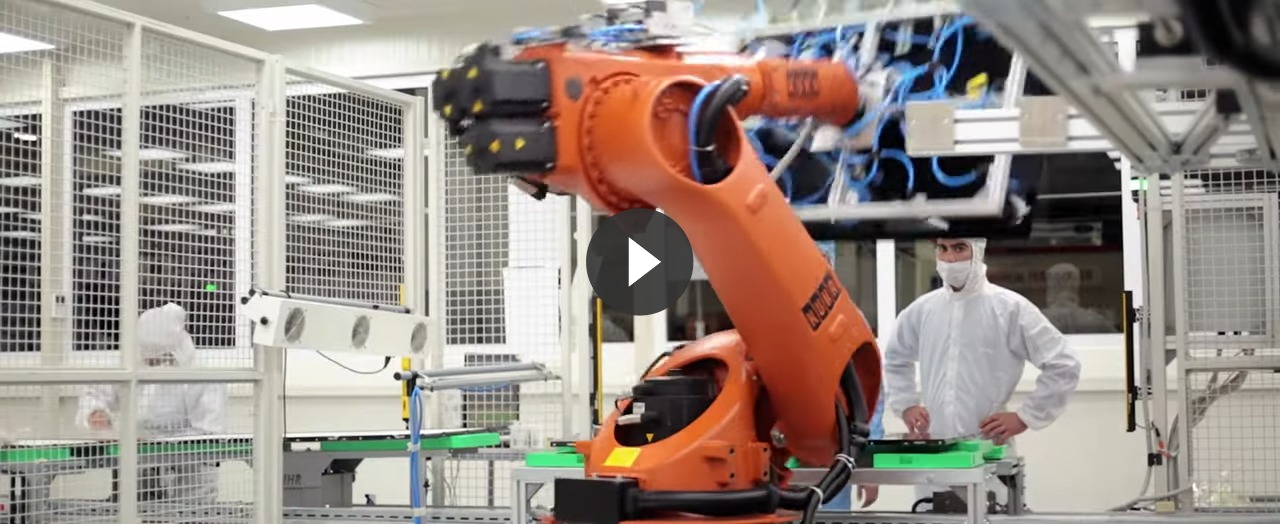
As one of the Top 30 EMS companies in the world, IMI has over 40 years of experience in providing electronics manufacturing and technology solutions.
We are ready to support your business on a global scale.
Our proven technical expertise, worldwide reach, and vast experience in high-growth and emerging markets make us the ideal global manufacturing solutions partner.
Let's work together to build our future today.
Other Blog