5 Ways Manufacturers Can Strengthen Flood Protection
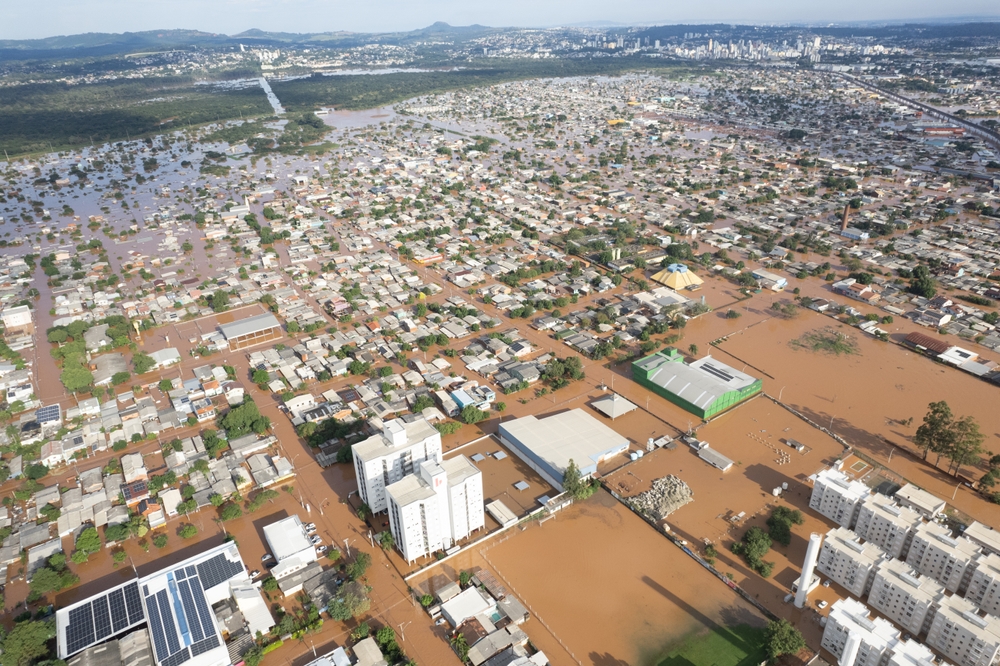
As climate change drives more intense and unpredictable weather, environmental indicators now signal greater flood risks. Manufacturers must reinforce infrastructure and adopt proactive measures to protect their employees and facilities.
Flooding is becoming a routine threat as extreme weather intensifies worldwide. In the World Economic Forum’s 2024 Global Risks Report, two-thirds of respondents identified severe weather as a significant risk. Floods remain the most common natural disaster globally, and studies show that more people are now living in areas increasingly exposed to rising waters.
Rising seas are expected to intensify flooding in the years ahead, especially in major coastal hubs. As more urban populations concentrate along shorelines, the physical danger also becomes a financial one that threatens economic value. Federal Emergency Management Agency data underscores the stakes, noting that even a single inch of floodwater can generate as much as $25,000 in damage.
Yet while the threat is clear, determining how a manufacturer should gauge exposure and protect its workforce and facilities is far from simple. Assessing site vulnerabilities and identifying practical safeguards requires careful planning for global manufacturing in an increasingly unpredictable climate landscape.
(Also read: 12 Climate Trends That Will Shape 2025)
5 flood protection measures for manufacturing operations
While industrial manufacturing cannot control the forces of nature, companies can take proactive steps to reduce flood risk. Experts recommend developing and implementing comprehensive flood management plans before disasters strike.
- Evaluate flood risks.
Manufacturing industries can reduce flood risk through community planning, vulnerability analysis, and targeted mitigation measures. Reviewing building codes, mapping flood-prone areas, and using tools from the National Oceanic and Atmospheric Administration (NOAA), Argonne, or Climate Mapping for Resilience help identify risks from river, coastal, or rainfall flooding. Mitigation can include stormwater improvements, levees, wet or dry floodproofing, and backflow prevention, along with pumps and generators. Strategic planning improves operational efficiency while minimizing damage and downtime.
- Boost preparedness.
For businesses with limited budgets, practical flood preparedness measures can deliver quick wins. Elevating critical equipment, creating a business continuity plan, and ensuring leadership ownership are essential steps. Collaborating on tailored emergency plans, practicing response exercises, and using warning systems helps anticipate floods. Documenting infrastructure, maintaining drainage, and stockpiling materials like pumps and sandbags further strengthen readiness. These actions enable companies to stay future-ready, protect assets, and maintain operations during flood events.
- Safeguard against flood insurance.
Flood insurance is a crucial measure for businesses in flood-prone areas and can be obtained. Policies generally cover buildings and contents separately, often with different deductibles. When selecting coverage, companies should assess provider reliability, determine adequate coverage limits, and understand what qualifies as flood damage. Integrating insurance planning with broader risk management through system integration helps businesses protect operations, reduce financial exposure, and ensure preparedness for potential flooding events worldwide.
- Focus on response and recovery.
The response phase of flood management focuses on immediate support, including emergency relief and search-and-rescue operations, tailored to the community’s needs. Meanwhile, recovery bridges the gap to normalcy with actions such as temporary housing, reconstruction, counseling, and education. Tracking social indicators such as community well-being and access to resources can guide recovery priorities. Other recovery measures include restoring infrastructure, providing healthcare services, supporting local businesses, and offering community training programs.
- Leverage innovations.
Manufacturing markets can enhance flood preparedness through advanced monitoring systems and real-time supply chain risk management tools that track supplier status and response. Leadership involvement is crucial to drive ownership and set the tone. Companies should implement flood hazard modeling, safeguard critical resources, conduct thorough risk assessments, and establish robust business continuity plans to ensure operations remain resilient and minimize downtime during flood events.
Innovative Technologies Tackling Flood Risks Worldwide
As floods become an increasingly pressing global threat, a mix of technology-driven and nature-based solutions is helping communities and cities better prepare for and manage rising waters.
- Sponge Cities in China
China pioneered the concept of “sponge cities,” an urban planning approach that integrates nature-based solutions to manage rainwater. These cities employ permeable surfaces, restored wetlands, and water channels to absorb and store rainfall, reducing the risk of urban flooding. By mimicking natural water absorption, sponge cities offer a sustainable alternative to conventional drainage systems, slowing water flow and mitigating flood impacts while enhancing urban ecosystems.
- Vienna’s Flood Relief Channel
Vienna has implemented a large-scale infrastructural approach to flood management. The New Danube, a 21-kilometer flood relief channel built in 1969, runs parallel to the main Danube River. During periods of heavy rainfall or high river levels, weirs are activated, allowing the channel to absorb excess water and alleviate pressure on the main river. During normal conditions, the channel remains inactive, offering a practical, low-maintenance system that protects the city from flood hazards.
- Floating Homes in the Netherlands
In the Netherlands, a country long familiar with flooding, floating homes offer a resilient living solution. Developed through a collaboration between British firm Grimshaw and Dutch manufacturer Concrete Valley, these homes rest on floating pontoons, allowing them to rise with changing water levels. Constructed from durable materials like concrete and glass, the houses are built to withstand flood conditions. Solar panels and heat exchangers enable them to maintain power independently, ensuring residents can remain safe and operational even during floods.
- AI and Satellite Monitoring
Advanced technology is also playing a key role in flood preparedness. In Texas, researchers are using satellite imagery and machine learning to create high-resolution flood maps that support community planning and adaptation. Google’s Flood Hub similarly provides AI-based flood forecasts for over 80 countries, offering up to seven-day alerts for more than 1,800 sites. These tools enable authorities and residents to anticipate flooding, mobilize resources, and reduce risks before disasters strike.
- Denmark’s Green Climate Screen
Denmark has introduced the Green Climate Screen, a system designed to manage rainwater from surrounding buildings. Rainwater is captured by the structure, absorbed by mineral wool behind willow panels, and either evaporated or redirected to nearby planters or holding areas. This gravity-driven system avoids energy-intensive pumps and costly underground infrastructure, offering an eco-friendly, low-carbon approach to flood mitigation.
(Also read: The Rise of Low-Carbon Buildings)
Building Resilience Against Floods
As floods become an increasingly common challenge around the world, communities are embracing innovative strategies to reduce their impact. Innovative solutions provide adaptable and sustainable ways to manage rising waters. By combining technology with nature-based approaches, cities and regions can strengthen preparedness, protect residents and infrastructure, and enhance long-term resilience against future flood events.

As one of the Top 20 EMS companies in the world, IMI has over 40 years of experience in providing electronics manufacturing and technology solutions.
We are ready to support your business on a global scale.
Our proven technical expertise, worldwide reach, and vast experience in high-growth and emerging markets make us the ideal global manufacturing solutions partner.
Let's work together to build our future today.
Other Blog