
Boost Performance and Profit from Your EV Charging Station
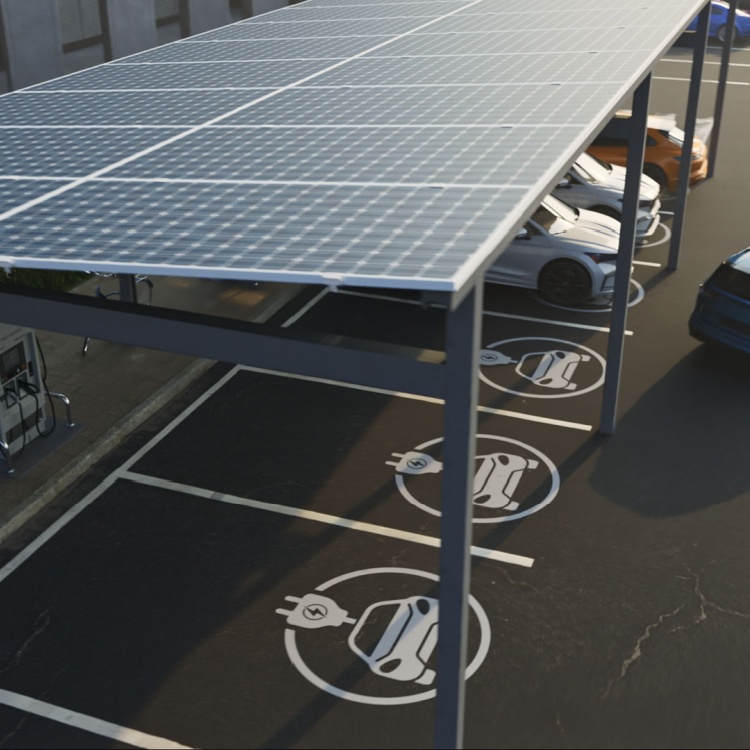
A Tesla-operated fast-charging site in New Italy, New South Wales, has been singled out by the Australian Electric Vehicle Association as the country’s top public charging station for 2025, recognizing a site that sets a clear benchmark for public EV infrastructure. The award focuses on charging locations that combine reliability, ease of use, strong upkeep, and smart design—factors that collectively improve operational efficiency for both operators and drivers.
Located just off the Pacific Motorway in northern NSW, the New Italy Supercharger stood out for offering what AEVA described as an exceptional level of amenity. The site features 12 charging bays sheltered by a large solar array, providing weather protection while supporting on-site energy generation. Its layout includes pull-through bays suited for EVs towing trailers, alongside convenient access to a café, toilets, and a gift shop, reducing downtime for motorists during charging stops.
Ease of payment also played a role in the station’s selection, with tap-and-go credit card functionality simplifying the charging process for a broader range of users. AEVA national president Chris Jones said the project reflects close alignment between industry and government priorities, adding that “This award shows the public and industry what EV drivers appreciate in a high-quality charging station.”
(Also read: Safer, Greener EV Batteries in South Korea)
Inside the evolving EV charging sector
The global shift toward electric mobility is gaining momentum, creating measurable economic value as adoption accelerates across established markets and newer regions.
Public EV charging infrastructure has expanded at a rapid pace, with the global total more than doubling since 2022 to exceed five million charging points. While home charging remains the preferred option for most EV owners, access to public chargers is increasingly critical to enable wider adoption, particularly for urban residents and drivers without private parking. In just 2024, more than 1.3 million public EV charging points were deployed globally, representing an annual growth of roughly one-third.
China has driven much of this growth, accounting for around two-thirds of new public chargers added since 2020. Europe has also seen strong momentum, supported by emissions rules, incentives, and infrastructure mandates, with countries such as Norway nearing full EV market saturation.
In the US, charging infrastructure expanded more modestly, rising 20% in 2024 amid policy uncertainty around federal funding. Meanwhile, the Middle East, led by the UAE, and parts of Southeast Asia have sharply increased charger installations, reflecting how EV infrastructure is becoming a key environmental indicator of transport transition worldwide.
(Also read: The State of Our EV Nation)
Rising global demand and its market potential
Global EV adoption is set to accelerate sharply, with electric models projected to reach 60% of vehicle sales by 2030, underscoring the industry’s shift toward sustainability. A range of factors is shaping this rapid growth:
-
Improved battery affordability
Average lithium‑ion battery pack prices dropped about 20 % in 2024, bringing EVs closer to price parity with conventional cars. By 2025 to 2026, some projections suggest average prices could fall below $100 /kWh or even near $80 /kWh, strengthening the economic case for EV ownership.
-
Expanding driving ranges
Improved driving range has eased range anxiety, helping consumers feel confident that EVs can meet daily and long‑distance travel needs. Modern EVs now often exceed roughly 270 miles (435 km) per charge on average, a milestone linked to broader adoption.
-
Public policy incentives
Many countries offer direct subsidies and tax breaks: for example, Italy recently approved generous EV purchase grants worth up to about €11,000 per vehicle to stimulate sales. In the UK, expanded grants of up to £3,750 have already helped more than 40,000 buyers choose EVs.
-
Growing eco-consciousness
A growing eco-consciousness among consumers is driving EV adoption as buyers seek cleaner alternatives to petrol vehicles. This shift not only fuels electric vehicle sales but also stimulates the broader renewable energy market, encouraging investment in green infrastructure.
Fast charging gains momentum
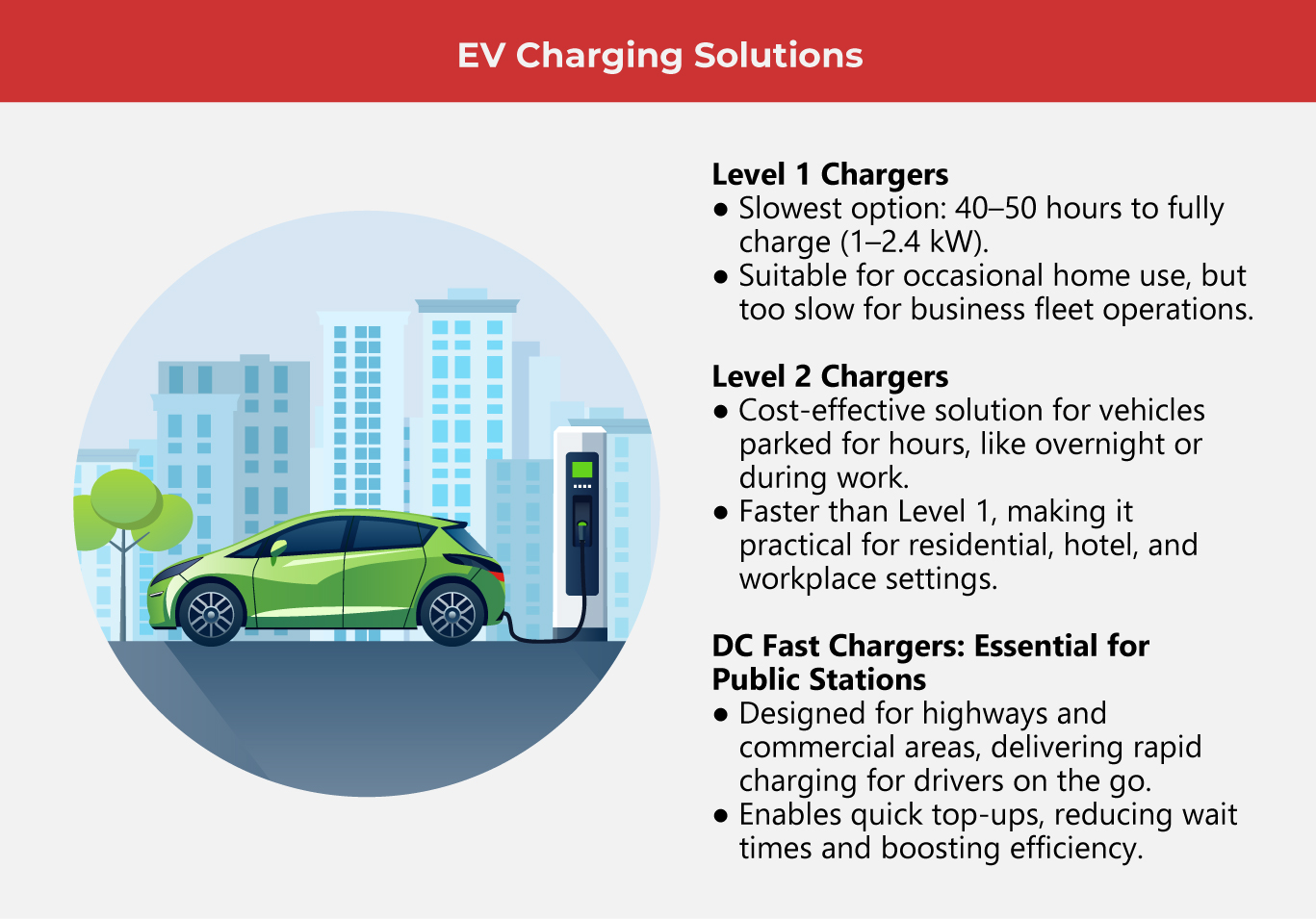
Fast charging is increasingly shaping the global EV landscape, with ultra-fast infrastructure more than doubling in Europe since 2022. These high-capacity chargers, capable of delivering 150 kW or more, provide significantly greater energy per day than standard chargers and can serve more vehicles efficiently. Falling costs, with ultra-fast units dropping 20% between 2022 and 2024, have accelerated deployment. Advances in battery technology, verified through rigorous reliability testing and analysis, are making rapid charging safer and more practical for consumers.
China continues to dominate fast-charging growth, accounting for 80% of global expansion in 2024. Public charging capacity per electric light-duty vehicle now exceeds 3 kW, which contrasts with the US, where total fast chargers rose from 40,000 to over 50,000, and capacity remains below 1.5 kW per vehicle. The EU’s ultra-fast network grew 60% in 2024, while countries such as Denmark and France plan further multi-billion-euro investments in ultra-fast infrastructure.
In Asia, Korea and India are accelerating deployment with new fast chargers in high-demand areas.
Boosting brand image through EV charging stations
Installing EV charging stations goes beyond convenience—it reflects a business’s values, innovation, and commitment to the future.
-
Environmental responsibility
Consumers increasingly value sustainability. Providing EV charging highlights a business’s role in reducing emissions and protecting the environment. Sharing measurable impacts, such as CO₂ reduction or equivalent trees planted, strengthens credibility and positions the brand as eco-conscious.
-
Engaging the community
EV charging can serve as a meaningful community contribution, especially in areas with limited public charging infrastructure. Organizing local workshops, EV awareness events, or community charging days fosters goodwill and strengthens ties with local stakeholders.
-
Demonstrating innovation and vision
Adopting EV technology signals that a company is forward-looking and adaptable. Communicating the rationale behind EV charging initiatives through press releases or social media reinforces a narrative of progressiveness and a readiness to embrace emerging trends.
-
Differentiating from competitors
In crowded markets, EV charging creates a tangible advantage, highlighting innovation and customer focus, and helping a business stand out.
-
Building customer trust
Supporting sustainable practices while offering practical services can deepen trust and loyalty. Encouraging feedback from EV users and acting on it shows responsiveness and care.
Positioning for an electrified future
As EV adoption accelerates, businesses integrating charging infrastructure are not just meeting demand—they’re shaping it. Early investment positions companies as innovation leaders while strengthening community trust and environmental credibility. With fast-charging networks expanding and costs declining, commercial stations promise growing usage and engagement.
Forward-thinking businesses that embrace EV solutions today stand to benefit from long-term brand differentiation and a central role in the emerging electric transportation ecosystem.
As one of the Top 20 EMS companies in the world, IMI has over 40 years of experience in providing electronics manufacturing and technology solutions.
We are ready to support your business on a global scale.
Our proven technical expertise, worldwide reach, and vast experience in high-growth and emerging markets make us the ideal global manufacturing solutions partner.
Let's work together to build our future today.
Other Blog