Tomorrow's Smart Cities Are on the Rise
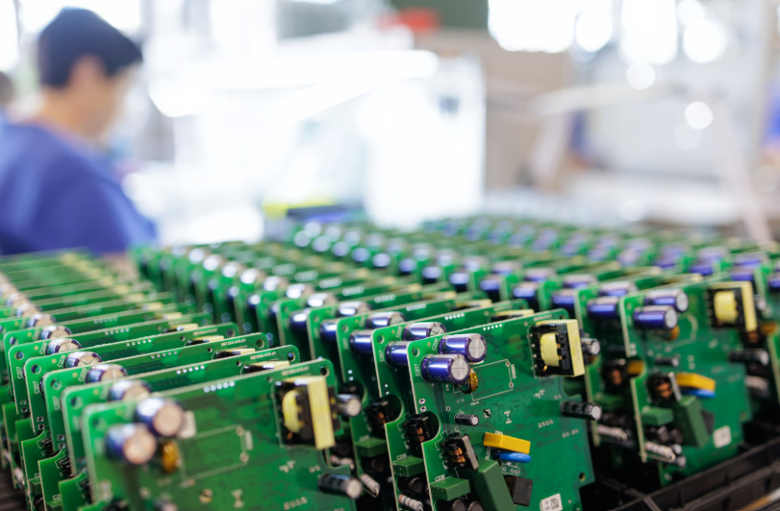
Across global manufacturing, companies continue to lead the charge in adopting technologies that redefine production standards. What was once considered innovation is now an operational necessity. Advanced systems are reshaping factory floors, allowing firms to improve efficiency, reduce material waste, and elevate product quality. For businesses seeking long-term competitiveness, investing in next-generation industrial solutions has become central to sustainable growth.
At the core of this evolution is smart manufacturing, a model that integrates digital intelligence with conventional production methods. Connected devices, embedded sensors, and cloud-based platforms generate real-time operational data, giving manufacturers sharper visibility into performance. This data-driven environment supports faster decision-making, leaner workflows, and more responsive supply chains across manufacturing industries and technologies.
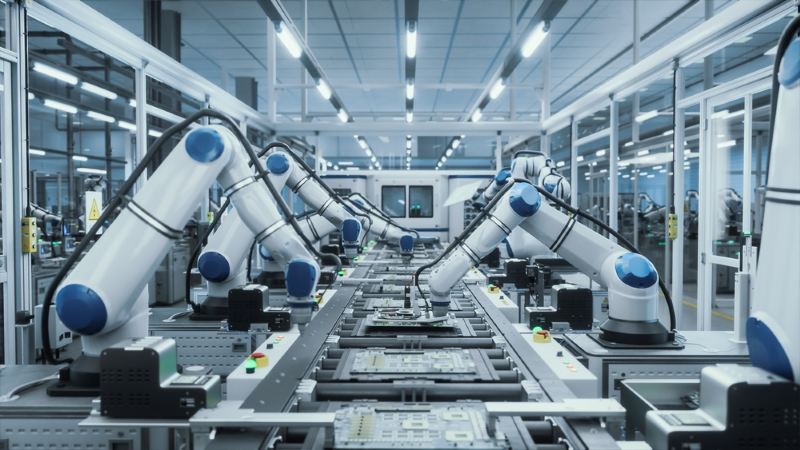
Unlike traditional, rigid systems, smart factories introduce flexibility and collaboration between machines and workers. Real-time analytics help identify bottlenecks, forecast equipment maintenance, and automate repetitive tasks before disruptions occur. The approach strengthens operational resilience while ensuring consistent quality standards in increasingly complex production networks.
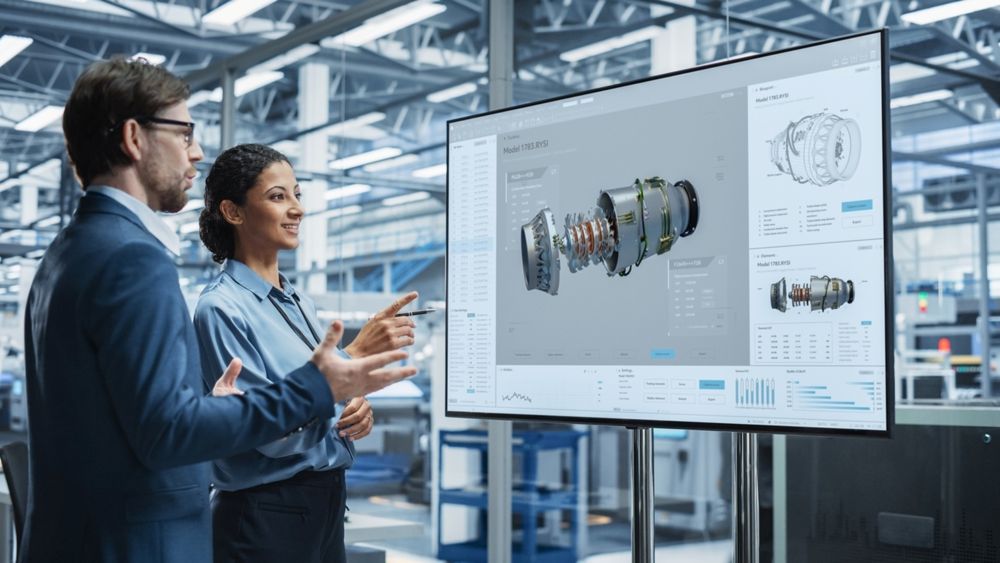
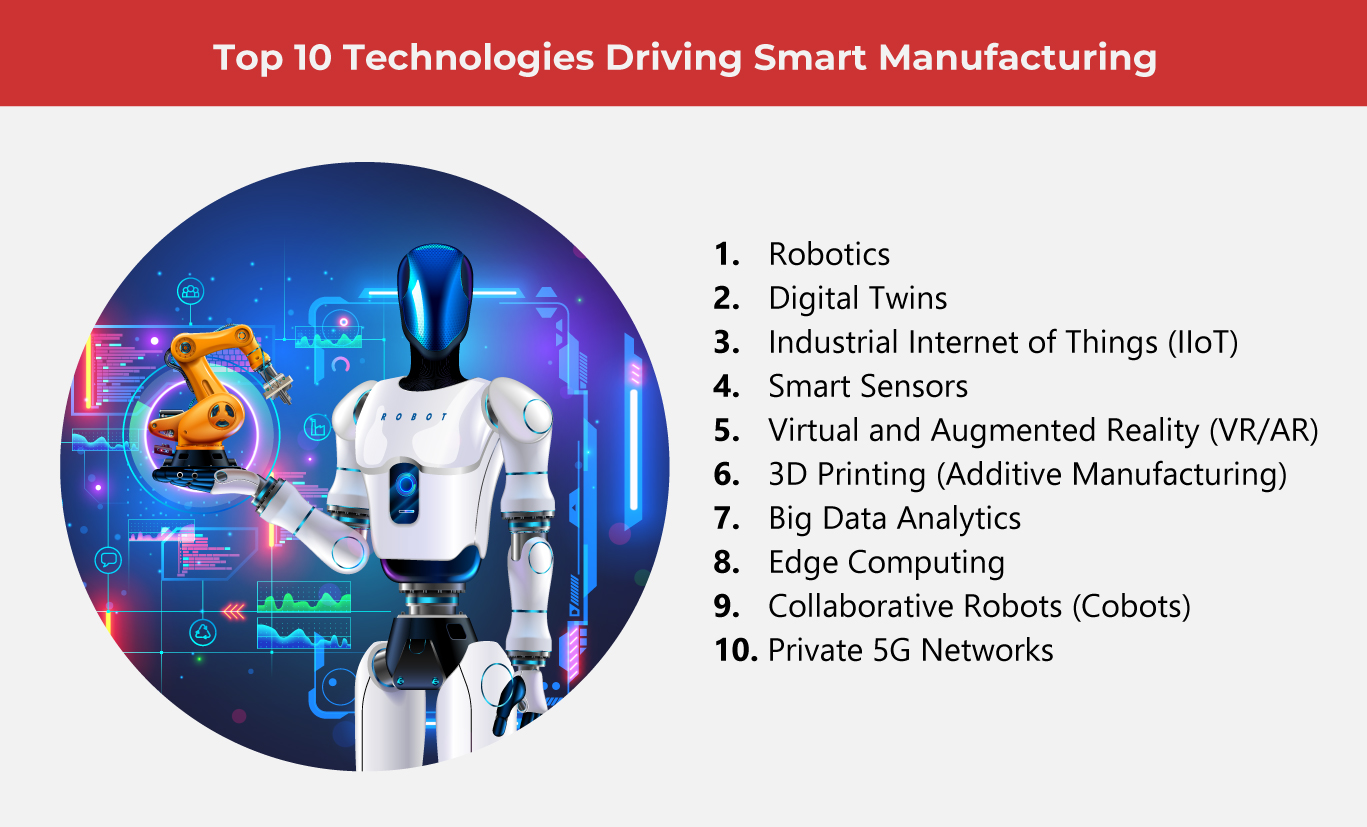
Advanced tools further accelerate this transformation. Digital twins allow manufacturers to simulate processes before implementation, minimizing costly errors. Additive manufacturing expands design possibilities while reducing material waste. Virtual and immersive technologies support training, planning, and precision engineering. Together, these innovations signal a broader industrial shift — one where agility, intelligence, and integration define the future of global production.
(Also read: The Latest News on Smart Manufacturing)
Benefits of Smart Manufacturing
Smart manufacturing delivers measurable gains that strengthen performance, profitability, and long-term competitiveness across modern industrial operations.
-
Sharper operational performance
Connected systems and real-time analytics help improve operational efficiency by streamlining workflows, balancing production loads, and reducing bottlenecks. Continuous monitoring enables managers to adjust output instantly, keeping production aligned with demand while maximizing equipment uptime and labor productivity.
-
Stronger asset reliability
Predictive maintenance tools analyze equipment data to anticipate faults before breakdowns occur. This reduces unplanned downtime, extends machinery lifespan, and protects capital investments, ensuring that high-value assets operate at peak capacity.
-
Higher product quality and precision
Automation, advanced machining, and data-driven controls minimize human error and detect deviations early in the process. The result is more consistent output, fewer defects, and stronger brand credibility in competitive manufacturing markets.
-
Greater flexibility and market responsiveness
End-to-end visibility across the factory floor and supply chain allows companies to recalibrate schedules, inventory, and production volumes quickly. This agility supports expansion into new manufacturing markets while strengthening customer responsiveness.
-
Enhanced engineering capabilities
Technologies such as simulation tools, digital modelling, and additive processes expand design and engineering strengths, allowing teams to prototype faster, refine designs, and bring complex products to market with reduced risk.
-
Improved sustainability outcomes
Data-driven resource management supports sustainability by lowering energy use, cutting material waste, and enabling circular production strategies. These efficiencies not only reduce environmental impact but also generate long-term cost savings and reinforce responsible industrial growth.
(Also read: The New Rules of Manufacturing in 2026)
The Smart City Imperative
As outlined by the World Economic Forum, cities are undergoing a profound transformation as urban populations expand and infrastructure systems struggle to keep pace with demand.
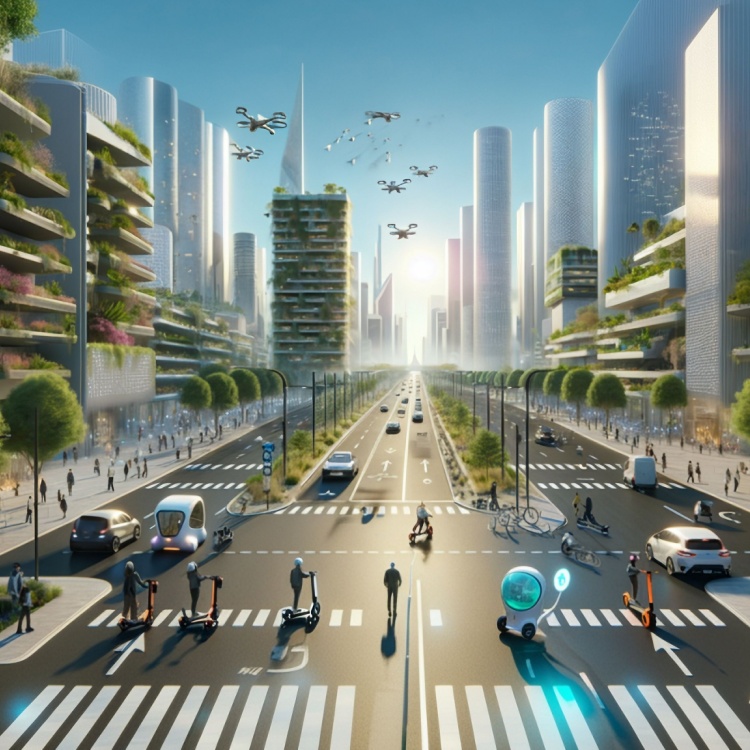
Nearly half of the world’s population now lives in urban areas, placing cities at the center of economic growth, climate accountability, and social progress. While digital platforms, artificial intelligence (AI), and connected devices play a role, smart cities are not defined by technology alone. Their success depends on how infrastructure, mobility, buildings, water, and energy systems operate as an integrated whole.
Urban areas occupy a small share of global land but generate a disproportionate level of emissions. Rethinking construction methods, materials, and long-term operations is critical to climate action. Integrating renewable power generation, storage systems, and energy prosumers strengthens the clean energy market while reducing carbon footprints. Clear environmental indicators are essential to measure emissions, energy use, and resource efficiency, ensuring sustainability goals move beyond ambition to accountability.
Equally important are social indicators that track safety, affordability, mobility, and overall quality of life. Smart cities must enhance the human experience by lowering energy costs, improving transit systems, and building inclusive communities. Tools such as digital twins and secure data platforms can support better planning and governance, but collaboration across industry, academia, and government remains vital. Ultimately, smart cities represent not just technological advancement, but a societal commitment to resilient and people-centered urban futures.
Smart Infrastructure Gains Momentum
The Smart Infrastructure Market is entering a decisive growth phase, fueled by rapid urbanization, digital transformation, and rising expectations for sustainability. As cities expand and populations concentrate in metropolitan areas, governments and enterprises are rethinking how transportation networks, utilities, and buildings are designed and managed. The push is not only about modernization, but about building future-ready systems capable of adapting to shifting economic, environmental, and demographic pressures.
A central driver of this evolution is the integration of advanced technologies. Internet-connected devices, AI, machine learning, and data analytics are reshaping infrastructure management. These capabilities allow infrastructure networks to become more responsive, automated, and efficient. Smart grids, intelligent transport systems, and automated building platforms illustrate how digital tools are strengthening performance across the broader infrastructure industry.
Equally important is the growing emphasis on environmental care and resilience. Policymakers and developers are prioritizing low-carbon construction, renewable energy adoption, and resource-efficient design. Smart grids and energy management systems help curb emissions while improving reliability. As climate risks intensify, infrastructure must be engineered to endure environmental stress while maintaining service continuity.
Public-private collaboration is also reshaping the market landscape. Partnerships combine funding, technical expertise, and innovation capacity, accelerating deployment timelines. Effective system integration across mobility, energy, and communications networks is becoming the benchmark for next-generation projects. Together, connectivity, automation, and coordinated investment are redefining how infrastructure supports economic growth and urban quality of life.
Smart Manufacturing and the Cities of Tomorrow
Smart manufacturing is set to be a cornerstone of urban transformation, driving economic growth and eco-consciousness within future cities. By utilizing advanced production systems, cities can foster local innovation ecosystems and shorten supply chains, enhancing efficiency and responsiveness to market needs.
Smart factories also contribute to greener urban environments by cutting emissions and optimizing energy use, a key goal as cities pursue sustainable development. Moreover, the rise of digitally enabled manufacturing supports job creation and competitiveness, helping people adapt to evolving economic landscapes.
As cities grow and evolve, smart manufacturing will play a pivotal role in shaping a resilient, efficient, and environmentally-friendly future.

As one of the Top 30 EMS companies in the world, IMI has over 40 years of experience in providing electronics manufacturing and technology solutions.
We are ready to support your business on a global scale.
Our proven technical expertise, worldwide reach, and vast experience in high-growth and emerging markets make us the ideal global manufacturing solutions partner.
Let's work together to build our future today.