Continuous Manufacturing Drives Pharma’s Top Growth
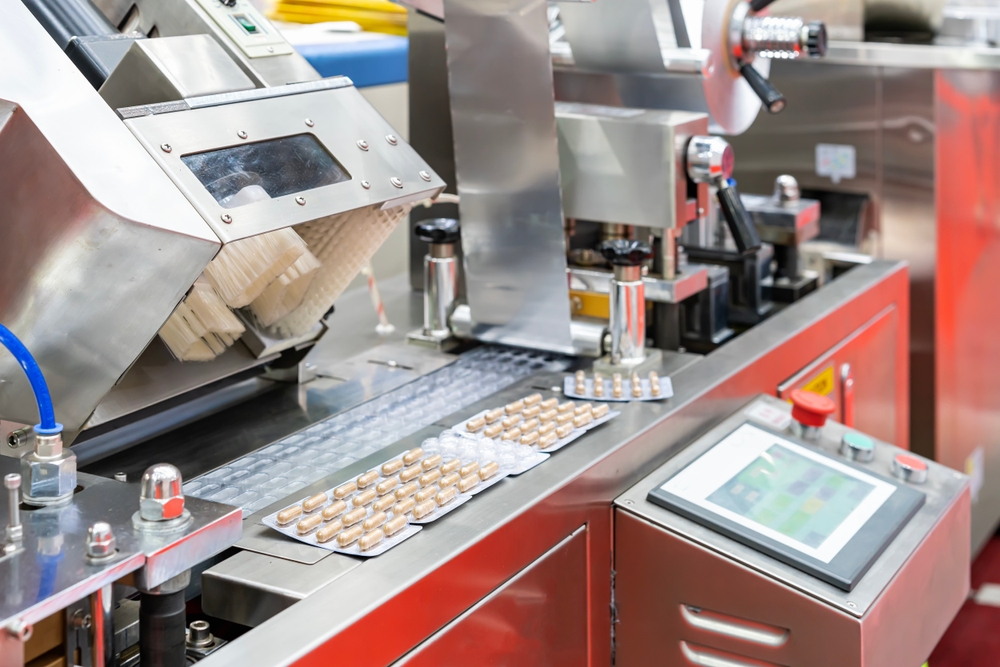
Traditionally, drugs have been made in batches, with each batch following a multi-step process. Although reliable, this approach can be slow and inefficient. Today, companies are adopting continuous manufacturing, reshaping global pharmaceutical manufacturing by improving operational efficiency, speeding production, and enhancing the supply of medicines.
Continuous manufacturing (CM) is transforming industrial manufacturing by linking all production steps into one smooth, integrated process. Unlike batch production, which relies on separate stages that pause between operations, continuous systems keep materials moving without interruption. This approach removes natural production gaps and can cut timelines from months to days. Interest is rising quickly, with the number of CM facilities under review increasing fourfold in the past five years.
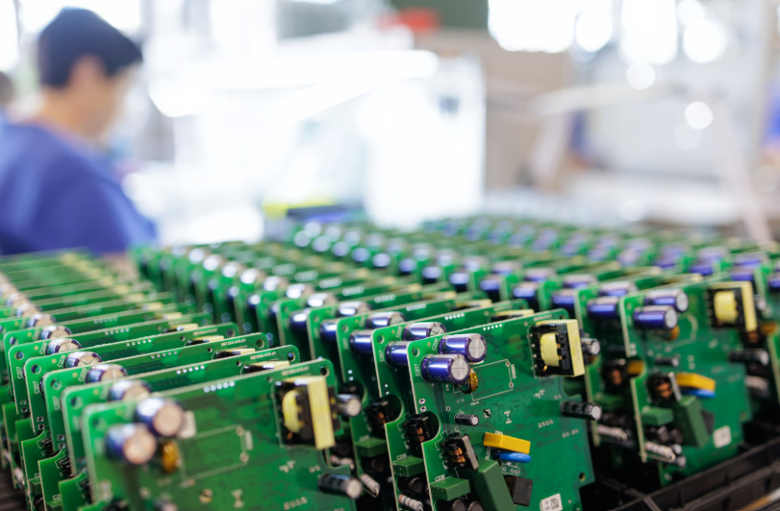
Several manufacturing industries have adopted CM methods to boost efficiency and output. These include steel and paper production, food processing, the automotive market, and electronics manufacturing, where seamless, integrated workflows help streamline operations and reduce production time.
In the pharmaceutical industry, CM is gaining attention as a potential game-changer. By feeding materials into production without interruption, CM can simplify processes, cut costs, and help stabilize supply chain management—critical advantages amid rising demand for complex drugs and record-high shortages. Experts now suggest that growing recognition of CM’s efficiency and resilience could drive broader implementation across the sector.
(Also read: Top 12 Med Breakthroughs for Better Health This 2025)
Batch manufacturing vs. Continuous manufacturing
Batch and continuous production are two key methods in manufacturing solutions, but they operate very differently. Batch production creates goods in separate batches, with each moving through the production line before the next begins. Downtime often occurs between batches as machinery is reset, and adjustments allow for product variations. This flexibility makes batch production the industry standard, with well-established practices and a more efficient economic value.
However, batch processes come with inherent inefficiencies. Long hold times accumulate as materials pause for product validation between stages, extending manufacturing cycles.
Sequential processing can also lead to low utilization, with steps waiting for previous batches to finish. Supply chain disruptions further complicate matters, particularly for multinational operations where improper storage or transport can compromise products.
CM offers a compelling alternative. Maintaining a constant flow of materials through an integrated process offers benefits that have drawn growing interest from regulators and businesses that aim to boost their manufacturing capabilities.
Top 7 pharma advantages of CM
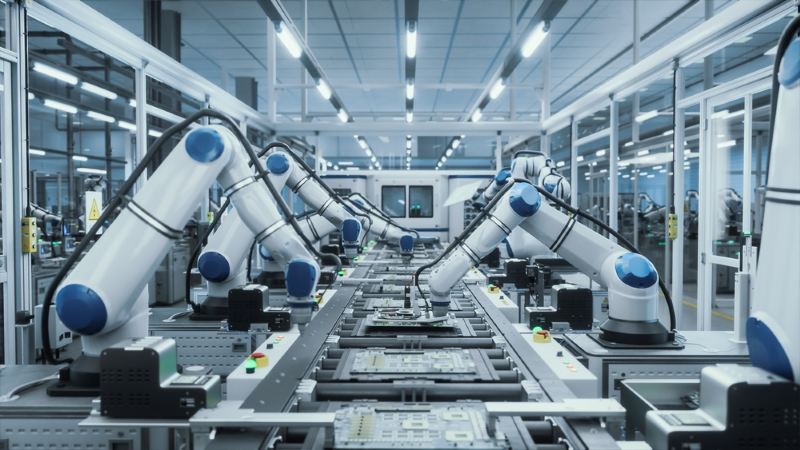
Continuous production systems use automation, robots, and conveyor belts to produce large volumes of uniform products with minimal human intervention. They rely on sensors and digital monitoring, aligning closely with lean manufacturing principles. This high level of efficiency and precision lays the foundation for a range of advantages.
- Boosted adaptability
Meeting demand has never been faster: CM lets producers scale flexibly, handle high volumes, and adjust batches on the fly. This agility supports rapid market response, eases drug shortages, and bolsters domestic production capabilities.
- High-quality standards
Products remain uniform as they are made the same way every time, with strict control over critical process parameters. This reduces variation and ensures consistent quality, making large-scale production of similar goods more efficient.
- Uninterrupted production
Production runs continuously around the clock with minimal human intervention, enabling faster output, smoother workflows, and better adherence to schedules. This approach accelerates manufacturing and ensures that products are delivered on time while maintaining operational efficiency.
- Seamless operations
Workflows are mostly automated and integrated with software for easy staff oversight, allowing materials to move smoothly through production with minimal human input. This efficiency supports longer production runs, reduces interruptions, and optimizes the manufacturing process.
- Cost savings
CM enhances sustainability by significantly reducing operating expenses, often by 40 to 50%, as larger-scale output lowers overall production costs. Automated, faster processes reduce labor needs, while streamlined systems consume less energy, creating a more environmentally responsible operation.
- Supply stability
Another key advantage is supply chain security, a need underscored by the gaps revealed in global pharmaceutical production during the pandemic. By enabling broader local manufacturing, it helps secure a steadier, more reliable supply of essential medicines.
- Space efficiency
Manufacturers gain steady input that cuts storage needs, boosts real-time insights, and speeds delivery. Because production flows in a single space without batch pauses, there’s less material handling, fewer rooms, and reduced oversight, allowing a far smaller facility footprint and a faster, more efficient operation.
Emerging CM trends
The CM landscape is undergoing a quiet but significant transformation as new technologies reshape how products are made.
- AI-enhanced operations
With vast real-time data flowing through production, CM enables automated adjustments, minimizes material loss, and cuts start-stop costs. Though setup demands skilled labor and upfront effort, advanced systems detect deviations, correct drift, and accelerate product release.
(Also read: How AI Can Help Save Lives)
- Digital twins
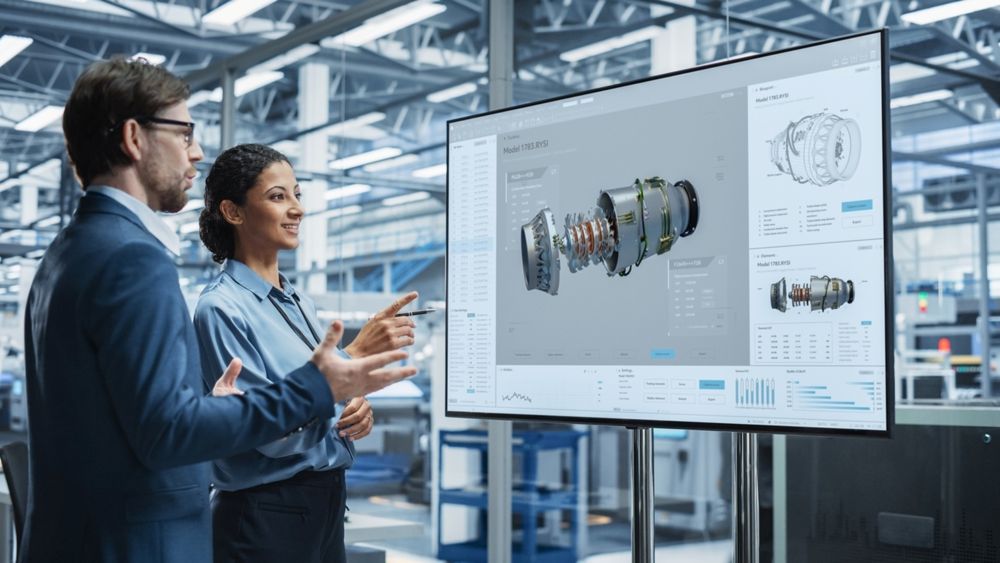
By creating virtual models of production processes, digital twins allow teams to test changes, predict outcomes, and optimize control strategies without touching equipment. They fast-track validation and offer clearer insights into real-world process behavior.
- Process analytical technology (PAT)
PAT provides real-time visibility during production, measuring flow, temperature, pH, and particle size. This allows operators to correct deviations proactively, maintain regulatory compliance, and keep the production line running without interruptions.
Sensors and edge devices capture data across the production line, feeding dashboards that allow operators to address issues before they escalate. The system also supports predictive maintenance, traceability, and ongoing process improvements, making every minute of uptime count.
- Edge analytics
Placing analytics at the equipment level allows manufacturers to detect anomalies in milliseconds, handle IoT and PAT data more intelligently, and maintain operations during network interruptions, advancing resilient, autonomous, and highly responsive production systems.
- Hybrid setups
Most facilities adopt hybrid setups, modernizing selectively rather than overhauling entirely. Combining batch and continuous steps requires flexible digital systems, with platforms helping to integrate data and controls efficiently, streamlining operations without lengthy implementation delays.
- Modular plants
Modular plants, constructed from skidded units, enable rapid deployment, global replication, and easy reconfiguration. Paired with digital twins and IoT, they support faster product launches, seamless process transfers, and consistent operations across multiple sites.
Looking Ahead for CM
CM is steadily gaining traction in the pharmaceutical industry. Challenges such as high upfront costs, lengthy manual changeovers, and the need for extensive operator training have made widespread implementation gradual.
Yet the potential benefits are substantial. Continuous systems improve efficiency, reduce costs, and enhance supply stability, supporting faster responses to market demand and domestic production expansion. With standards and regulatory frameworks evolving, this approach promises safer, more accessible medications while strengthening public trust in quality and reliability.

As one of the Top 20 EMS companies in the world, IMI has over 40 years of experience in providing electronics manufacturing and technology solutions.
We are ready to support your business on a global scale.
Our proven technical expertise, worldwide reach, and vast experience in high-growth and emerging markets make us the ideal global manufacturing solutions partner.
Let's work together to build our future today.