Building Better, More Powerful with Ultrasonic Welding
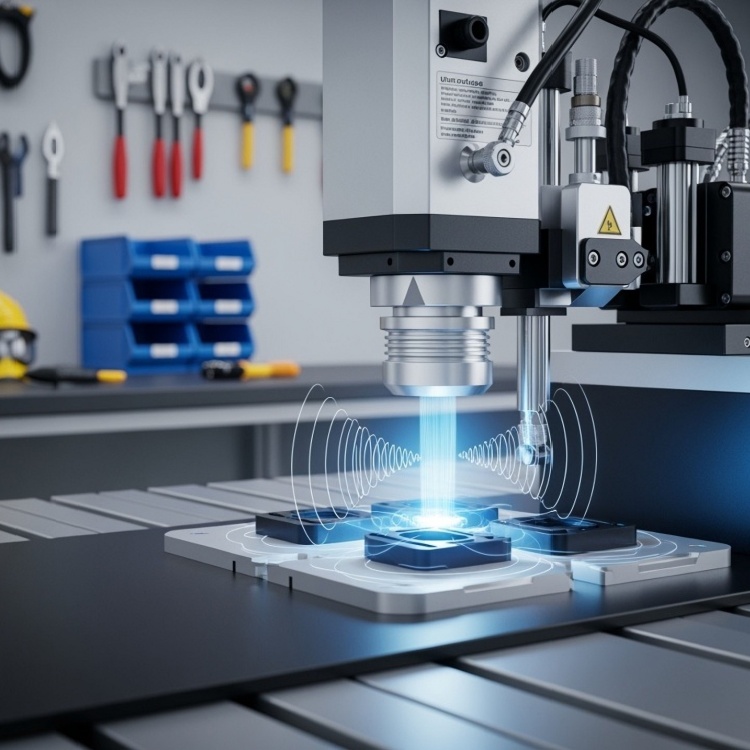
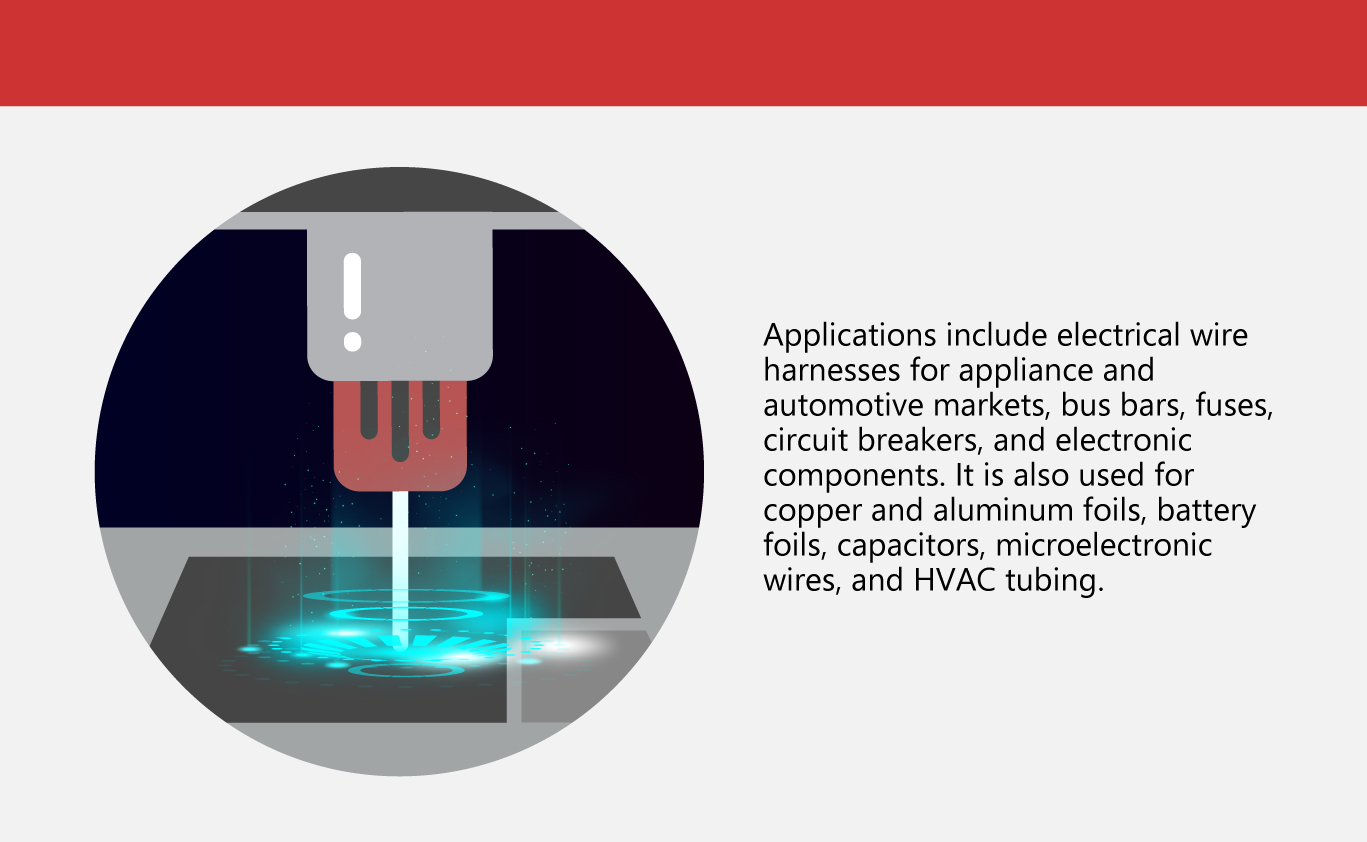
Ultrasonic welding is a joining process that bonds materials using high-frequency vibrations and pressure, rather than melting them. The parts are pressed together while rapid motion at the contact point creates friction and tiny movements that help break through surface layers like oxides. This allows clean metal-to-metal contact, forming a strong bond without fully melting the base materials.
As the process continues, small areas at the interface gradually fuse as contact spreads across the surface. A slight rise in temperature occurs due to friction and internal deformation, which can be better understood through thermal analysis, but it remains well below melting levels when properly controlled. Metals like steel tend to heat up more easily than highly conductive materials such as aluminum or copper, making ultrasonic welding especially efficient for these materials compared to other methods like resistance welding.
The global ultrasonic welding systems market is expected to grow at a compound annual growth rate (CAGR) of 5.1% from 2025 to 2034. During this period, the market is projected to reach a valuation of approximately US$1.2 million by 2034.
What Makes Ultrasonic Welding Advantageous
Ultrasonic welding offers a range of manufacturing solutions that make it highly suitable for modern high-efficiency global manufacturing environments. One of its most significant strengths is its extremely fast cycle time. Electrical cables, even those with large cross-sectional areas, can be joined quickly and consistently without the delays associated with thermal processes.
Because the method does not rely on melting, there is no need for extended cooling periods, allowing production lines to move seamlessly from one joint to the next. This directly improves operational efficiency and overall equipment effectiveness (OEE) by reducing downtime and increasing throughput in applications such as wire-to-terminal and terminal-to-terminal connections.
Another key advantage is the mechanical and functional quality of the joints produced. Ultrasonic welding delivers strong, durable bonds with excellent repeatability, ensuring that each connection meets strict performance standards. The process is highly controllable and can be continuously monitored, which supports stable quality assurance and reduces variability between welds. In addition, the resulting joints maintain excellent electrical and thermal conductivity, making the technology particularly valuable in electronics manufacturing, automotive wiring, and energy systems where efficient current transfer is critical.
The process also provides broad material flexibility. It enables the joining of both similar and dissimilar metals, including combinations of thin and thick materials that are often difficult to bond using conventional methods. Because the technique relies on solid-state bonding rather than fusion, it consumes less energy and avoids the need for filler materials, fluxes, or protective atmospheres. This simplifies production setup and lowers operating costs.
Furthermore, ultrasonic welding can penetrate and break through surface oxides during bonding, reducing or eliminating the need for extensive pre-cleaning. Overall, it offers a clean, efficient, and highly reliable joining method suited to demanding industrial manufacturing.
(Also read: Innovate Your Biz with New Welding Tech)
Types of Ultrasonic Welds
Ultrasonic welding can produce different joint shapes depending on the tool design and application needs. These are selected based on material type, thickness, and whether a sealed or localized joint is required.
-
Spot welding (localized joints)
Spot welding creates a small, focused bond at a single location. The shape can be round, oval, or rectangular, depending on the tool. The materials are pressed between a vibrating tip and a supporting base, allowing a fast bond to form—often in under 1.5 seconds. Multiple spots can be placed close together or overlapped to strengthen or extend the joint area.
-
Line welding (extended bonds)
Line welding is an elongated version of spot welding, forming a straight bond instead of a single point. It is typically used for thin materials and shorter weld lengths. Longer joints can be achieved by linking multiple welds together, especially in applications like thin metal sealing or foil joining.
-
Continuous seam welding (sealed joints)
Seam welding creates a continuous, unbroken bond using a rolling vibrating tool. It is widely used for sealing very thin metals and foils. This method is especially useful when a leak-proof or airtight seal is required, such as in packaging or foil-based applications.
-
Ring welding (circular joints)
Ring welding produces circular or oval-shaped bonds using a round tool. The size is generally limited, but it is useful for compact parts that require a uniform circular seal or connection.
The way ultrasonic energy is applied can vary depending on the machine setup. Some systems use higher clamping force with lower vibration, making them suitable for thicker wires or larger bonds. Others use higher vibration with lower force, which works better for thin foils and delicate parts. If the force is too high, it can reduce equipment life or affect stability, so settings must be balanced for consistent results.
Future of Welding: Automation, AI, and Smart Skills
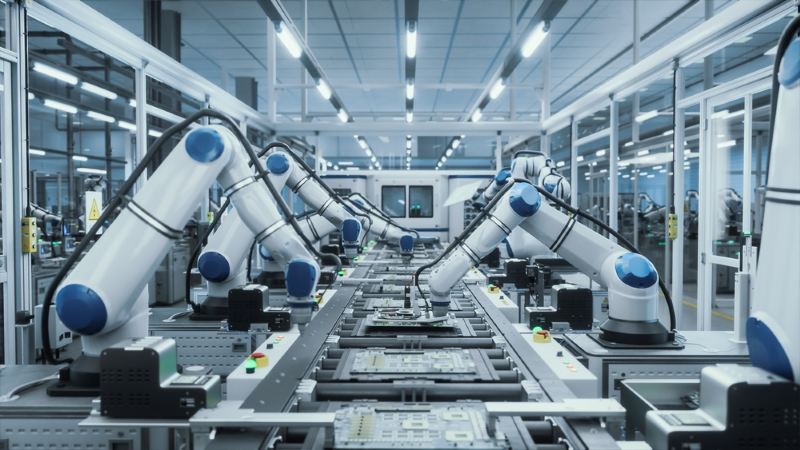
By 2026, welding is expected to shift strongly toward robotic and automated systems, especially in large factories and automotive production. Robots can work faster, maintain consistent precision, and operate continuously without fatigue. However, this does not eliminate the need for human welders. Instead, it changes their role toward supervising and managing automated systems.
Modern welders are increasingly required to work alongside machines. Key responsibilities now include programming robotic welding systems, operating automated arms, maintaining equipment, and troubleshooting technical issues. As a result, skilled professionals who understand both traditional welding and robotics are becoming more valuable in the global job market.
Artificial intelligence (AI) is also improving welding quality and efficiency. AI systems can monitor weld conditions in real time, detect defects, adjust settings automatically, and reduce human error. This leads to safer operations and more consistent results, especially in high-precision manufacturing technologies and industries.
Training methods are also evolving. Virtual reality is now used to simulate welding conditions, helping learners practice techniques like torch control, positioning, and safety without using physical materials. In addition, smart helmets and wearable tools are improving safety by providing real-time data, alerts, and performance feedback.
At the same time, the industry is moving toward sustainability, including energy-efficient equipment and low-emission processes such as laser and ultrasonic welding, supporting greener industrial growth.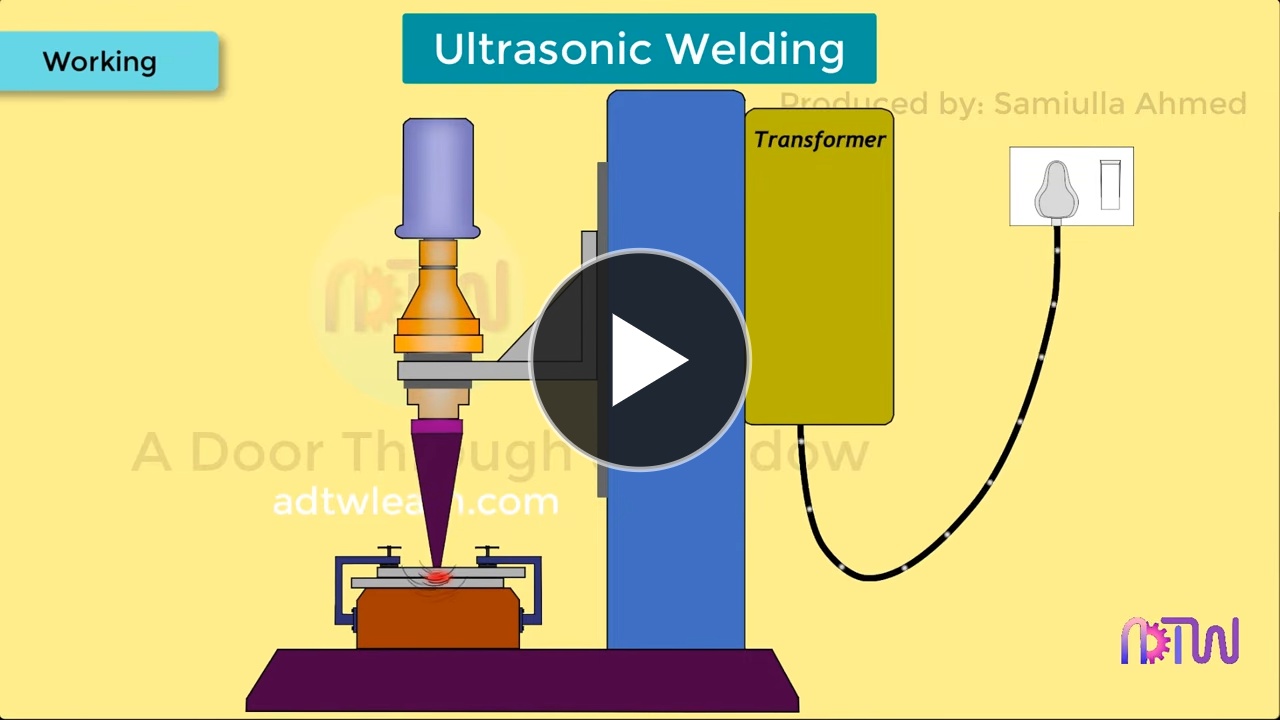 As one of the Top 30 EMS companies in the world, IMI has over 40 years of experience in providing electronics manufacturing and technology solutions.
We are ready to support your business on a global scale.
Our proven technical expertise, worldwide reach, and vast experience in high-growth and emerging markets make us the ideal global manufacturing solutions partner.
Let's work together to build our future today.
Other Blog