8 Reasons China Is Winning the Global Innovation Race
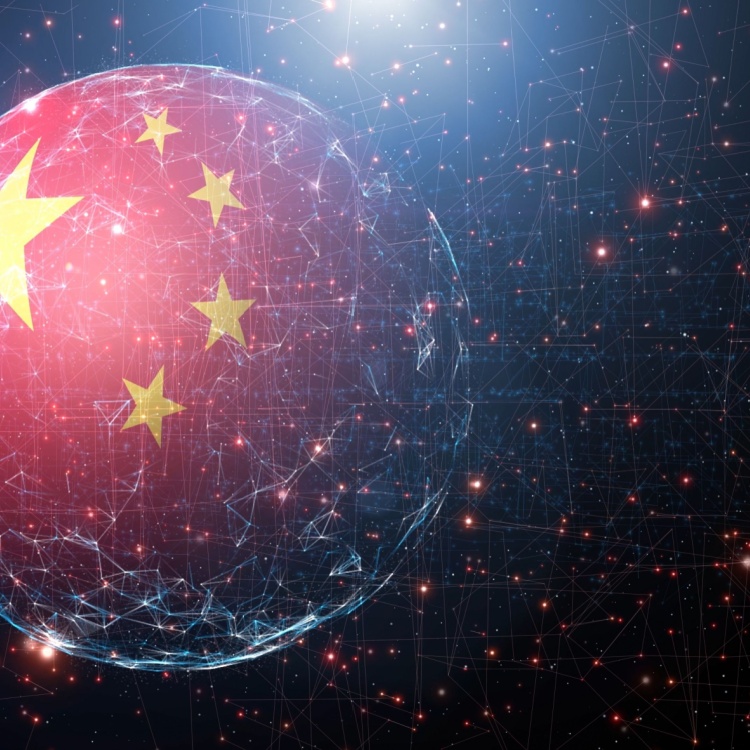
China is doubling down on innovation as the foundation of its next stage of economic growth, with policymakers placing greater emphasis on developing high-value manufacturing industries and emerging technologies. Experts say the strategy aims to strengthen the country's competitiveness in critical sectors by accelerating research, supporting technology-driven businesses, and encouraging faster commercialization of new manufacturing solutions. Beyond boosting domestic productivity, the approach is also expected to reinforce China's role in driving global economic growth.
In 2024, China continued to ramp up investment in innovation, with research and development spending surpassing US$502.3 billion. The 8.3% year-on-year increase kept China ranked as the world's second-largest spender on R&D, underscoring its sustained push to strengthen science and technology.
Growing innovation strength is reshaping China's position in the global technology landscape. The country hosts 26 of the world's top 100 science and technology innovation clusters, maintaining its lead in the World Intellectual Property Organization (WIPO) Global Innovation Index 2024. It also reached 10th place in the 2025 index, up 25 spots since 2013, while producing more highly cited research papers than the United States and attracting global talent to sustain its momentum.
(Also read: The Future of China’s Industrial Strength)
8 Pillars Behind China's Industrial Dominance
From advanced manufacturing to resilient supply chain management, several key factors have helped transform China into one of the world's most formidable industrial manufacturing economies.
-
China turns system integration into an innovation advantage.
Unlike more fragmented innovation models, China’s approach is built around coordination, allowing research, industry, and implementation to move through a connected pipeline rather than separate stages. National strategies are translated into local action through pilot zones, industrial clusters, and targeted infrastructure, helping technologies move faster from product development to real-world use. This system allows innovations to undergo testing for refinement and replication across regions.
-
China's biotech ambitions extend beyond healthcare.
A life sciences ecosystem is taking shape in China, linking AI, medical electronics and research, and industrial production to accelerate innovation. AI-powered diagnostics are helping detect diseases earlier, while large-scale health datasets are supporting faster clinical trials and drug development. Beyond medicine, biomanufacturing is emerging as a new industrial frontier, using biological processes to produce advanced materials, medicines, and other products. China’s biomanufacturing sector has already reached nearly US$148 trillion in scale and is projected to grow to approximately US$266 trillion by 2030, strengthening its position in future bio-based industries.
-
China’s cities serve as innovation engines.
A life-sized innovation network is emerging across China’s urban centers, where smart cities function as real-world testing grounds for national tech goals like manufacturing excellence. Each hub focuses on specialized strengths while contributing to a broader innovation system. Beijing drives AI research and digital transformation, Shenzhen advances autonomous mobility, and Hangzhou experiments with drone logistics and municipal AI. Other cities apply technology to smart manufacturing, infrastructure management, computing, and automated ports. Together, these urban ecosystems show how China moves emerging technologies from pilot projects into large-scale deployment.
-
China’s AI push moves from breakthroughs to real-world impact.
China’s artificial intelligence sector is entering a new phase, driven by rapid advances in large language models, strong investment, and efforts to build greater technological independence. In early 2025, DeepSeek’s open-source R1 and V3 models drew global attention after delivering performance comparable to leading international systems. Another milestone came from MiniMax, whose M1 model achieved strong global rankings while requiring a relatively limited computing setup of 512 Nvidia H800 GPUs during training. Beyond model development, China’s industrial depth and digital ecosystem provide a vast testing ground for AI applications across sectors.
-
China turns clean technology into an industrial advantage.
Despite being the world’s largest carbon emitter, the country has accelerated investments in the automotive market, particularly electric vehicles (EVs), becoming a leading producer and exporter of clean technology solutions. Its climate strategy is closely tied to industrial development, with emerging sectors such as new energy vehicles and storage receiving strong policy support. As China works toward peaking carbon emissions before 2030 and achieving carbon neutrality by 2060, clean technology is increasingly positioned as a key driver of future economic growth and competitiveness.
(Also read: A Deep Dive into China’s EV Empire)
-
China’s renewable energy market shifts from expansion to integration.
Beyond adding more renewable capacity, China is now focused on building an energy system capable of supporting its next wave of industrial growth. The country added 277 gigawatts (GW) of solar PV and 79 GW of wind capacity in 2024, setting new records for clean energy deployment. Its next challenge is managing this scale through advanced storage, smarter grids, and digital technologies that improve flexibility and reliability. As AI, electrification, and data-driven industries expand, China’s ability to integrate power systems will play a crucial role in sustaining innovation and economic competitiveness.
-
China’s innovation future depends on its people.
Technology alone cannot sustain long-term growth without a workforce and institutions capable of adapting to constant change. China’s next development phase places greater focus on human capital, recognizing that innovation depends on how effectively people, organizations, and public systems learn and evolve. The country’s large digital economy and fast-adopting consumer base also provide a vast environment for technologies to be tested, improved, and scaled. As industries transform, talent development becomes a broader societal priority rather than just a business concern, shaping how China responds to technological disruption and builds future-ready competitiveness.
-
China turns constraints into a source of innovation.
China’s cost innovation model shows how limitations can become drivers of creativity and efficiency. Instead of relying only on breakthrough inventions, companies often redesign products, simplify processes, and shorten development cycles to deliver greater value at lower costs. BYD and Xiaomi demonstrate how speed, affordability, and continuous improvement can reshape industries. Xiaomi’s flexible product strategy and direct sales approach helped it compete in a crowded smartphone market, while China’s supply chains provide a rapid testing ground for new ideas. This approach highlights a broader lesson: resource constraints can inspire smarter, more adaptable solutions.
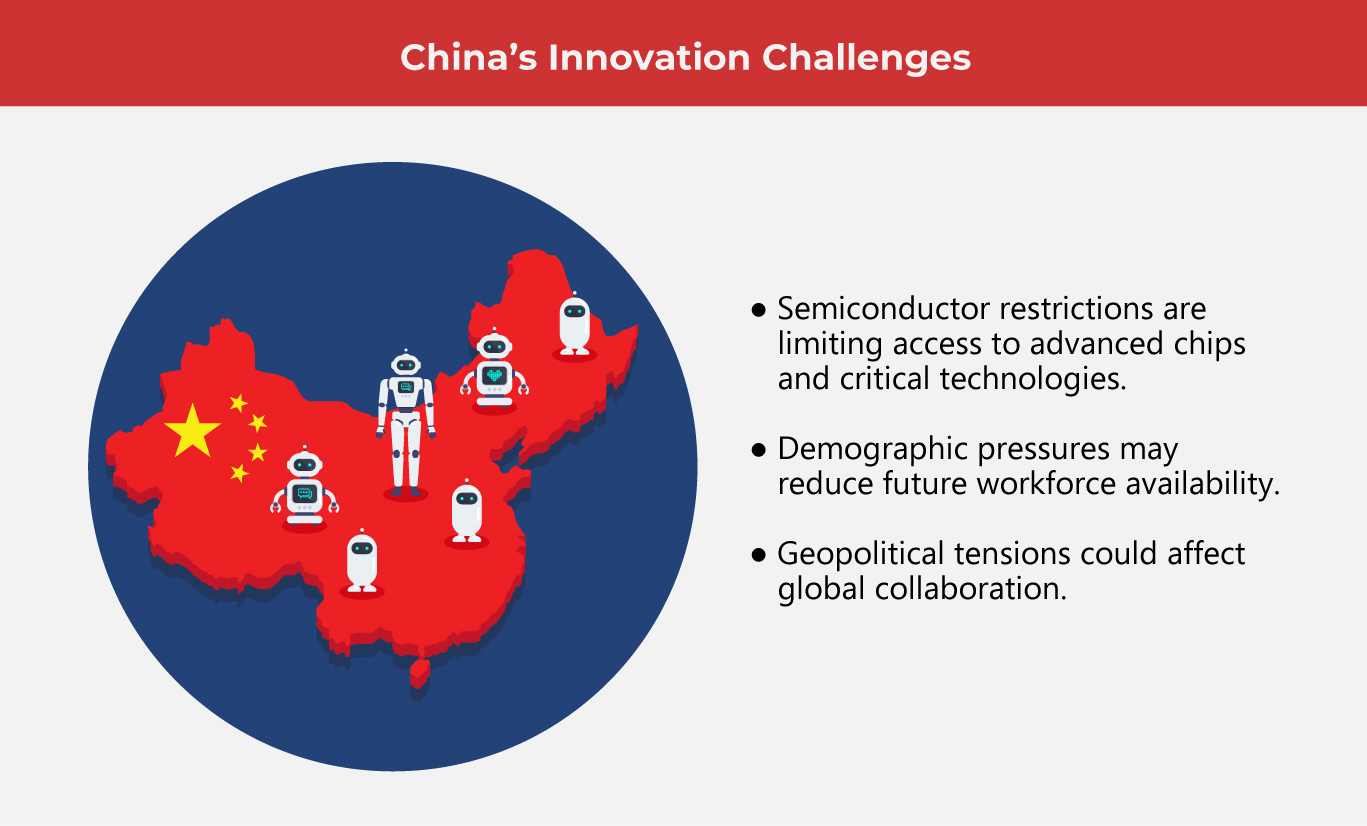
China’s Innovation Journey Offers Lessons Beyond Its Borders
China’s rise as an innovation powerhouse offers a broader reminder that progress depends not only on creating new technologies, but on building the systems that help them reach people and industries. Its experience shows how research, policy, infrastructure, and markets can work together to move ideas from experimentation to widespread adoption.
For emerging economies, China’s path highlights the value of creating space for innovation, encouraging collaboration, and adapting to local needs. While every country will follow its own route, the lessons from China’s transformation provide useful insights into building more resilient and future-ready economies.
 As one of the Top 30 EMS companies in the world, IMI has over 40 years of experience in providing electronics manufacturing and technology solutions.
We are ready to support your business on a global scale.
Our proven technical expertise, worldwide reach, and vast experience in high-growth and emerging markets make us the ideal global manufacturing solutions partner.
Let's work together to build our future today.
Other Blog