The Importance Of EMS In Boosting EVs
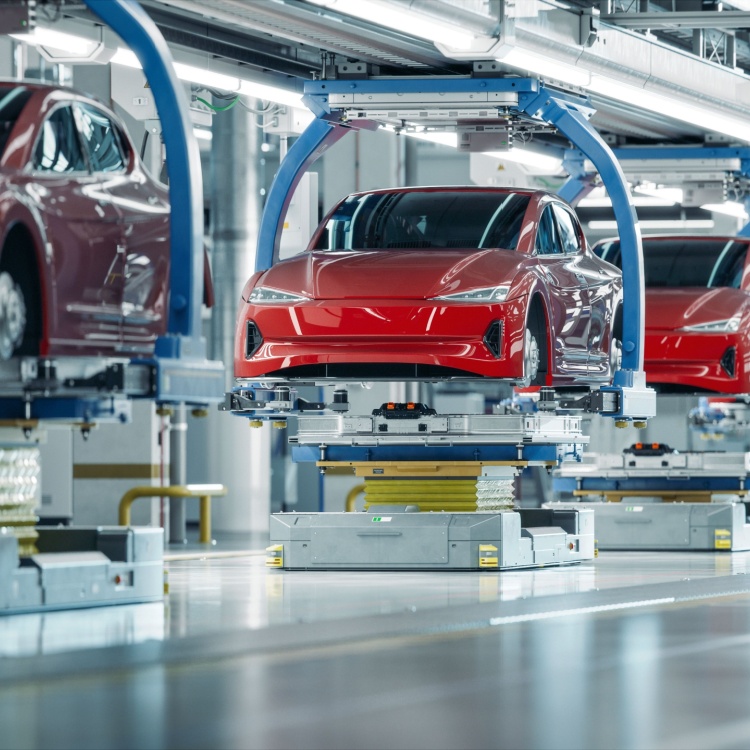
The Philippines’ automotive market is poised for a gradual shift toward electric vehicles (EVs), as rising consumer awareness continues to drive interest in EVs and their long-term benefits. While larger EV models remained a relatively small segment in 2025, industry officials expect stronger uptake in 2026, with projections for their share within the country’s plug-in electric vehicle (PEV) mix.
Electrified vehicles are steadily carving out a presence in local auto sales. Industry data show they accounted for 7.01% of total transactions, equivalent to over 32,000 units. Hybrid models led the mix at 25,737 units, followed by fully electric units at 4,613 and plug-in hybrids at 2,139.
The government is stepping up support for electric mobility to improve environmental indicators and reduce emissions, with transport identified as a priority under the country’s climate commitments. A mix of policies, pilot programs, and regulations has been rolled out to accelerate adoption, alongside the Comprehensive Roadmap for the Electric Vehicle Industry (CREVI) to align these efforts.
The Department of Energy (DOE) is targeting EVs to account for around 50% of vehicles on the road by 2040, or roughly 2.5 million units.
To support the expansion of the industrial market around electric mobility, the DOE has directed distribution utilities to incorporate EV charging infrastructure into their development plans, while also urging private establishments to host charging facilities. The government is targeting the deployment of around 7,300 charging stations nationwide by 2028, a sharp increase from roughly 1,100 today, most of which remain concentrated in urban centers.
(Also read: The State of Our EV Nation)
Powering the Shift: The EVIDA Law
The Electric Vehicle Industry Development Act (EVIDA), enacted on April 15, 2022, as Republic Act No. 11697, laid the foundation for the country’s EV transition by mandating the creation of a national roadmap. Known as the Comprehensive Roadmap for the Electric Vehicle Industry (CREVI), it outlines coordinated targets across charging infrastructure, manufacturing technologies and industries, product design and development, and workforce capacity, with clear goals to address persistent industry gaps.
The law also introduced a range of incentives to accelerate uptake. EVs are exempt from the Unified Vehicular Volume Reduction Program for eight years from implementation, while fiscal perks and a temporary zero-tariff policy aim to attract investment and support industry players entering the market.
Beyond incentives, EVIDA establishes a broader policy framework to guide sector growth. It seeks to strengthen energy security by reducing dependence on imported fuels and tapping into the renewable energy market, while fostering a more supportive environment for electric mobility, including micro-mobility solutions. The measure also promotes innovation in clean and efficient technologies, encourages job creation through local industry development, and recognizes the role of local government units in advancing the shift to electric transport.
Core Features of EVIDA
EVIDA lays out key measures to build a future-ready EV industry.
-
Regulatory compliance
Department Circular No. 2023-05-0011 establishes the accreditation and registration framework for EV charging stations. It requires DOE accreditation, individual registration for each site, and compliance with building codes and electrical safety standards, with applications managed through the agency’s online system. From a product validation perspective, these requirements ensure that the charging infrastructure meets regulatory specifications, operates within approved parameters, and is properly documented for asset recognition and capitalization.
-
EV recognition and standardization
Department Circular No. 2023-05-0012 sets the official framework for recognizing and classifying EVs in the Philippines, defining eligibility for EVIDA-linked incentives and creating a unified system for EV categorization. It clarifies how vehicles are assessed for fiscal and non-fiscal benefits, supporting consistency across regulators and industry stakeholders. This safeguards the economic value of incentive claims by ensuring proper classification and preventing misstatements.
-
Revised EV recognition guidelines (September 2025)
In September 2025, the DOE issued Department Circular No. 2025-09-0015, updating EV recognition rules to align more closely with EVIDA and international standards. It refined classifications covering battery-electric vehicles (BEVs), hybrid-electric vehicles (HEVs), plug-in hybrid-electric vehicles (PHEVs), light-electric vehicles (LEVs), range-extended electric vehicles (REEVs), and fuel-cell electric vehicles (FCEVs). The circular also introduced quarterly EV charger reporting, extending testing and analysis of compliance through ongoing monitoring, tighter internal controls, and stricter reporting requirements.
(Also read: Boost Performance & Profit from Your EV Charging Station)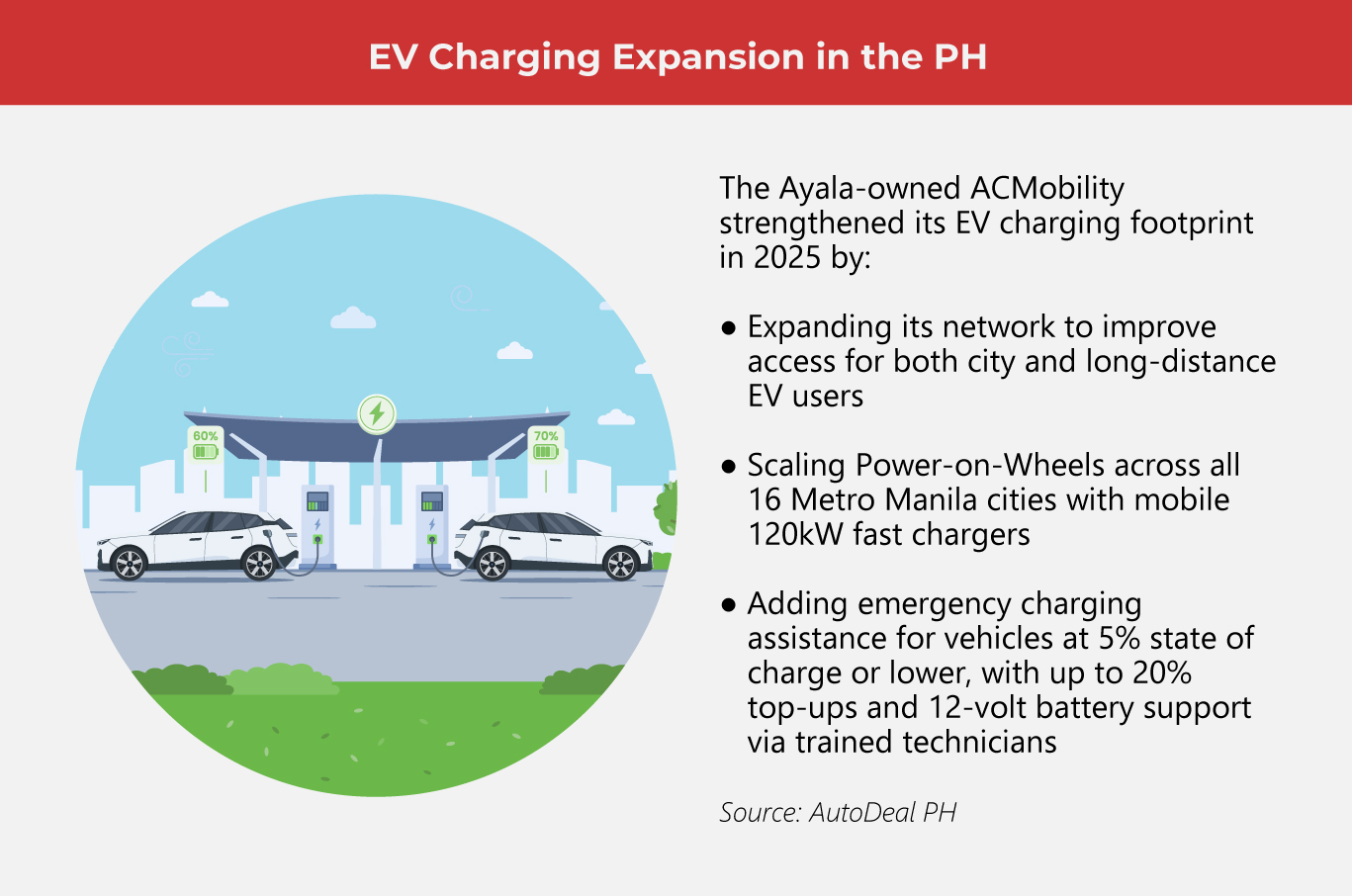
EMS-Driven Manufacturing Solutions in Automotive Innovation
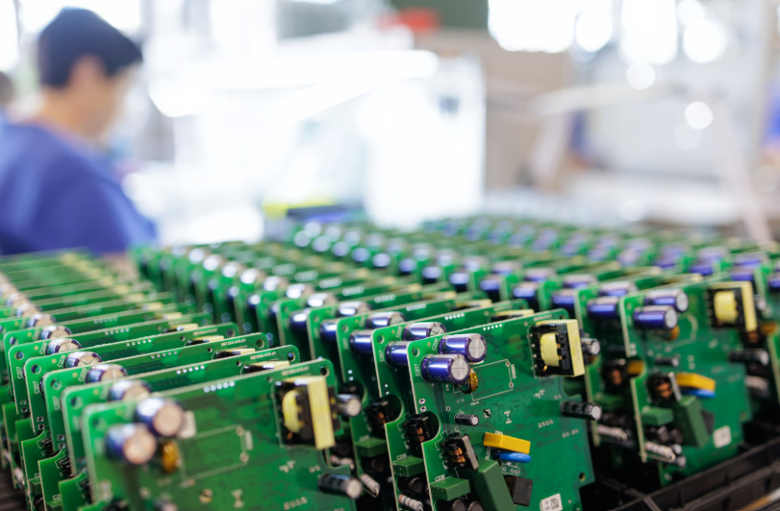
The automotive sector is undergoing a rapid transformation driven by electrification and software-defined vehicle systems, where electronics now define core vehicle performance. Mobility platforms increasingly depend on sophisticated components such as infotainment units, vehicle control modules (VCUs), on-board chargers (OBC), and battery management systems (BMS), underscoring how deeply electronics manufacturing is embedded in modern vehicle architecture.
As complexity rises, electronic manufacturing services (EMS) providers have become central to enabling scalable manufacturing, rigorous product testing, ensuring that advanced automotive and EV components move from design concepts to high-volume production with consistent quality, reliability, and minimal defects.
-
Accuracy and process control
In the shift toward electrified mobility, EMS providers act as the backbone of manufacturing excellence, translating complex designs into reliable, high-volume output. They enforce tight process control and advanced automation to ensure consistency and minimal defects across manufacturing lines. Integrated validation and testing frameworks further strengthen quality assurance, allowing OEMs to meet stringent automotive standards while maintaining scalability and operational efficiency.
-
Manufacturing systems built for scale and adaptability
EMS providers offer scalable and flexible production capacity without the need for heavy capital investment. This setup allows automakers to ramp output up or down, introduce new models faster, and adapt to shifting demand while maintaining quality and efficiency through established systems. It also improves supply chain responsiveness in a fast-changing mobility landscape.
-
Full-chain quality assurance (QA) and tracking
Total quality and traceability in EMS means ensuring every stage of manufacturing is controlled, documented, and verifiable. For EV OEMs, this involves continuous quality checks, standardized processes, and detailed tracking of materials, components, and production steps. If issues arise, traceability allows rapid identification and correction across the supply chain. This system improves reliability, reduces defects, supports regulatory compliance, and strengthens confidence in mass-produced EVs.
Where Precision Defines Progress
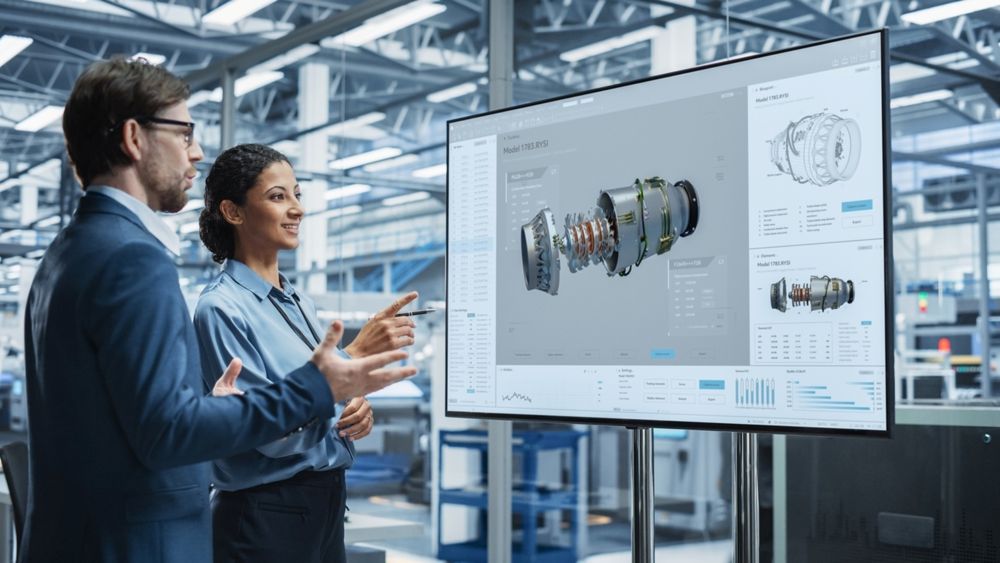
As the automotive sector transitions toward electrified and intelligent mobility, competitive advantage is increasingly shaped on the factory floor rather than in design alone. The ability to consistently deliver high-quality output at scale has become central to industry success.
For OEMs, partnering with manufacturing-focused providers that demonstrate scalability, operational discipline, and technical depth is now a strategic necessity.
Moving forward, the industry’s trajectory will be defined by EMS partners that unify engineering accuracy, efficient production systems, and data-driven control into resilient manufacturing ecosystems built for long-term mobility demands. As one of the Top 30 EMS companies in the world, IMI has over 40 years of experience in providing electronics manufacturing and technology solutions.
We are ready to support your business on a global scale.
Our proven technical expertise, worldwide reach, and vast experience in high-growth and emerging markets make us the ideal global manufacturing solutions partner.
Let's work together to build our future today.
Other Blog