How IMI Can Improve Your Products with Testing & Calibration
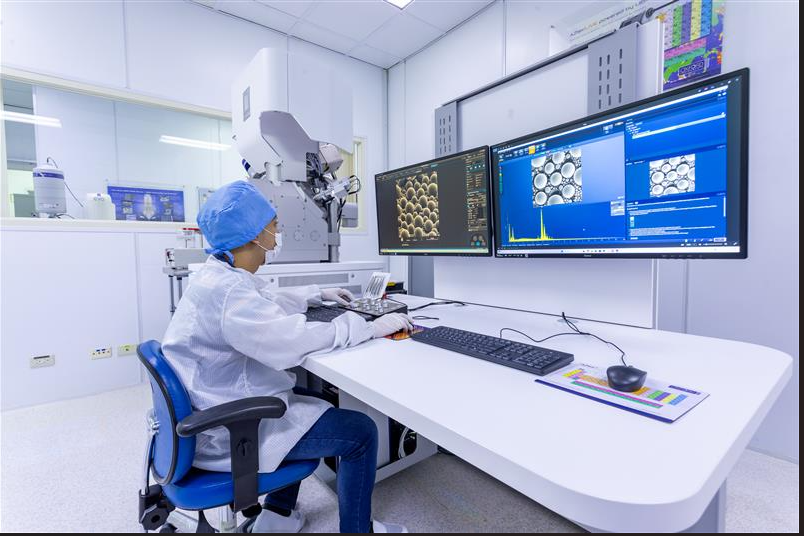
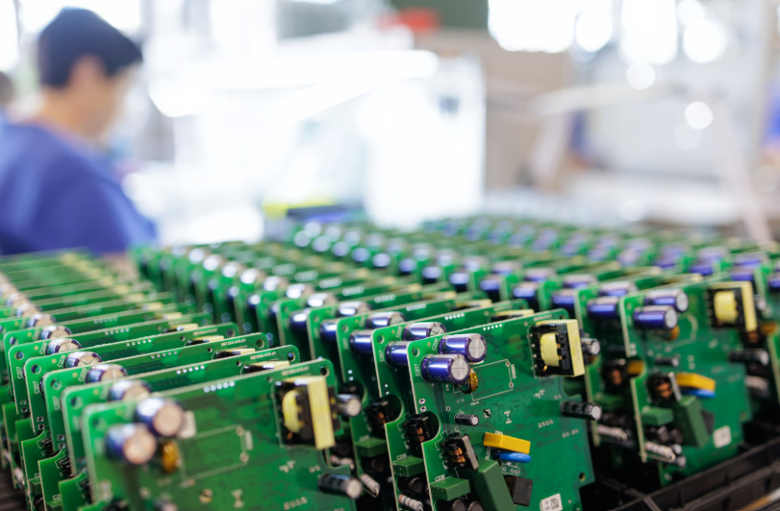
Because electronic devices have grown more intricate than ever, the industrial manufacturing market is expanding in tandem, fueled by the need for far more advanced product testing and analytical tools. Manufacturers now place stronger emphasis on rigorous quality assurance and proactive defect prevention, pushing them to invest in equipment capable of uncovering the true origins of component failures.
As industries shift toward electric mobility, renewable power, and next-generation semiconductors, failure analysis faces tougher demands, calling for tools that can probe complex materials and intricate designs.
Sectors like aerospace engineering, the automotive market, and medical electronics are doubling down on reliability and safety, spurring greater investment in advanced diagnostic capabilities.
Why analytical testing matters
IMI is a global leader in electronics manufacturing solutions, producing durable, high-quality components for automotive, industrial, power, communications, and medical applications while providing engineering, manufacturing, and full support and fulfillment services to clients worldwide.
Its Analytical Testing and Calibration (ATC) laboratory provides fast, dependable, and reliable testing and calibration services across a wide range of industries. Equipped with advanced technology and driven by innovation, the lab helps customers to analyze complex issues and ensure continuous operations.
ISO/IEC 17025-accredited by the Philippine Accreditation Bureau (PAB), IMI’s ATC excels in identifying failure modes, mechanisms, and root causes, performing accelerated and analytical stress testing to predict product life profile, and the calibration and verification of monitoring and measuring equipment in compliance with international standards.
The lab’s strength lies in its team of highly skilled, dedicated professionals from fields including metallurgy, materials science, physics, chemistry, instrumentation, and electronics.
With its proven expertise, IMI’s ATC provides the following benefits:
-
Product reliability
Product reliability is the assurance that a product consistently performs its intended function throughout its expected lifecycle under specified conditions. Reliability is achieved through accelerated stress testing, failure mode analysis, and the precise calibration of monitoring and measuring equipment in compliance with ISO/IEC 17025 standards. This proactive approach identifies potential weaknesses early, optimizes design robustness, and ensures long-term performance, reducing field failures and safeguarding customer trust.
-
Ensured quality control
Quality control is a continuous commitment to accuracy and compliance. Through traceable calibration under ISO/IEC 17025 standards, IMI ATC LAB ensures every measurement is precise and reliable. This approach corrects drift and wear, reduces uncertainty, and maintains consistent production quality. By leveraging advanced calibration capabilities across mechanical, electrical, and thermometry scopes, manufacturers minimize rework, and achieve operational efficiency while meeting global standards. The result: reliable processes that uphold product integrity and customer trust.
-
Contamination prevention
When measuring devices are misaligned, analytical testing can underestimate particles or impurities, allowing contamination to slip through unchecked. Routine calibration ensures sensors and analyzers stay accurate, so that even trace-level contaminants are detected and addressed. This future-ready process helps prevent product spoilage, protects consumer safety, and maintains compliance with clean-environment standards.
-
Compliance to international standards
Accredited laboratories operating under ISO/IEC 17025 deliver traceable, globally recognized measurements that satisfy strict regulatory demands, helping companies prove their products meet required standards. This accuracy smooths product approvals and strengthens credibility in tightly regulated sectors.
-
Process optimization
Process optimization is achieved through accurate and precise calibration, ensuring tools and processes operate within the required tolerances. Combined with analytical testing, reliability engineering, and failure analysis, this integrated approach reduces downtime, minimizes waste, and maintains consistent quality. It supports lean manufacturing, improves efficiency, and delivers cost-effective, efficient operations that meet global standards.
Read more about IMI’s ACT services here.
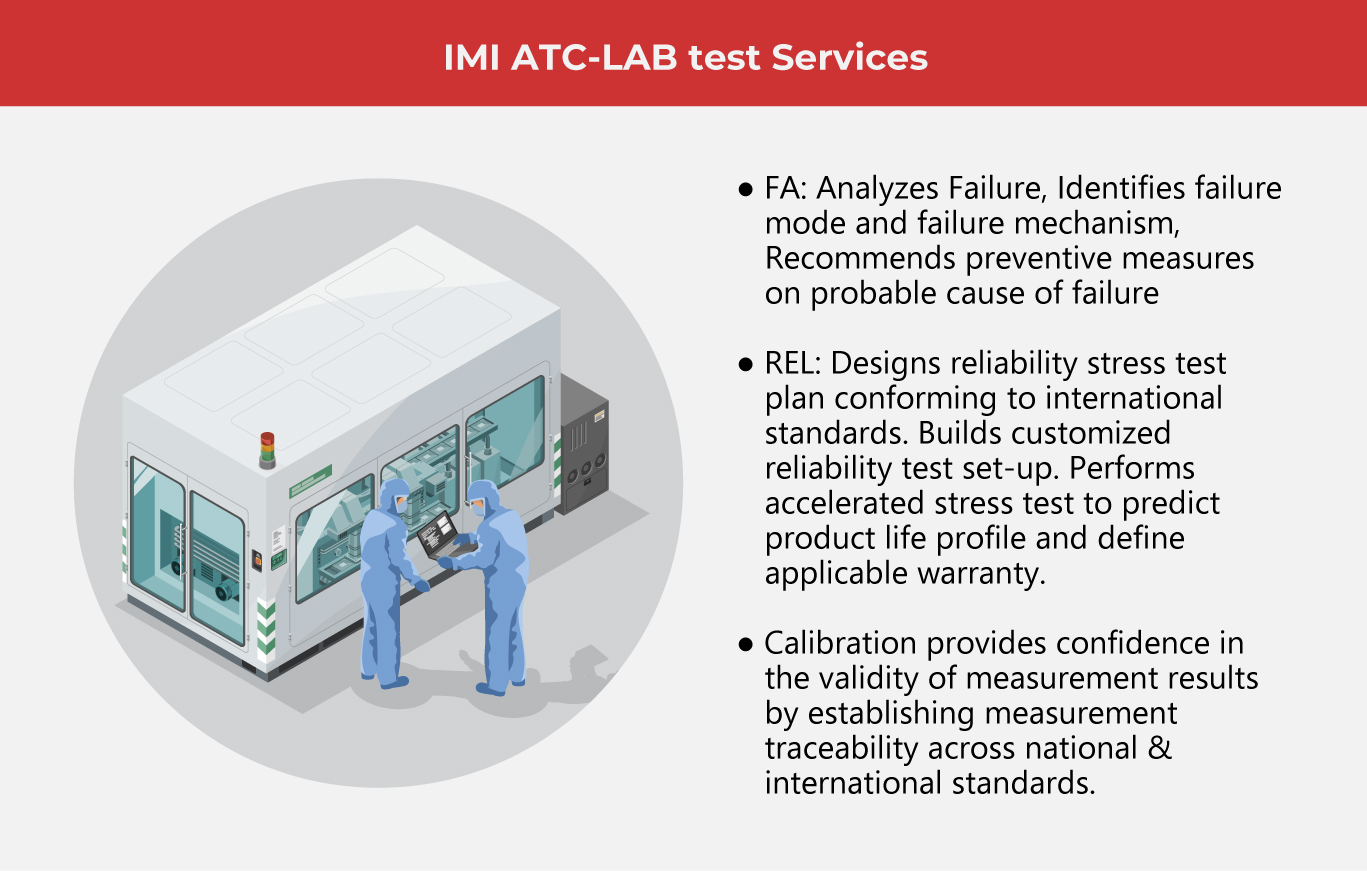
Download IMI’s ATC brochure now!
Trends in analytical testing for the electronics sector
As electronic systems grow ever more complex, analytical testing has become a strategic linchpin for manufacturers. Key trends include:
-
AI-driven diagnostics
Advanced instruments now deploy AI and ML to sift through enormous imaging datasets, automatically flagging anomalies like nanoscale defects. This accelerates root-cause analysis by pinpointing failure locations and patterns more quickly than manual inspection. Such tools also learn over time, improving their predictive power—and many labs now combine this with test-cycle data to trace failures back to underlying process issues.
-
Miniaturization & nanoscale probing
As device packages shrink, even toward ultra-compact formats, the demand for nanoscale probing and high-resolution scanning electron microscopy is increasing. These techniques allow engineers to precisely locate electrical faults and buried defects that would otherwise remain invisible. Advanced nanoprobing tools, often used alongside low-voltage scanning electron microscopy, provide the pinpoint accuracy required for failure analysis in today’s dense and highly miniaturized electronic architectures.
-
Boosted connectivity
Modern test systems are increasingly built around Industrial IoT (IIoT) and cloud infrastructure, enabling real‑time data streaming from sensors directly into central analytics platforms. This allows for continuous monitoring, predictive maintenance, and fast, data‑driven decision-making at scale. By closing the feedback loop between testing and production, manufacturers reduce downtime and swiftly correct process deviations.
-
Advanced stress testing
Highly Accelerated Life Testing (HALT) forces products to endure stresses far beyond their normal operating conditions—extreme temperature cycling, intense vibration, power cycling, and more. This reveals hidden design weak spots and latent defects early in development, enabling engineers to reinforce them before mass production. The result: significantly higher product reliability and improvements in the product's overall robustness.
-
Multi-modal analytical platforms
There is increasing adoption of integrated platforms that combine multiple analytical techniques, including scanning electron microscopy, energy dispersive X-ray analysis, and focused ion beam methods, within a single system. These platforms enable simultaneous imaging, elemental mapping, and structural analysis, which streamlines laboratory workflows and enhances defect identification and resolution. Such multi-modal approaches are especially valuable in advanced semiconductor and electronics manufacturing.
-
Sustainability in testing methods
There is a growing emphasis on environmentally friendly failure analysis methods that minimize energy usage and material waste. Testing laboratories and electronics manufacturers are adopting sustainable practices to align with global environmental objectives. These green approaches not only reduce the carbon footprint of analytical processes but also support corporate sustainability goals while maintaining high standards of accuracy and reliability in defect detection and quality assurance.
-
Advanced Packaging Fault Mode
As electronics move toward advanced packaging technologies such as 2.5D, 3D, and chiplets, new failure mechanisms are appearing within interconnects and substrate layers. These densely integrated architectures create complex defect patterns that conventional testing may miss. Analytical testing techniques are evolving to address these challenges, using high-resolution imaging and precise probing methods to detect, analyze, and mitigate faults before they impact product performance.
Analytical testing remains a cornerstone of the electronics industry, ensuring product reliability and safety in an era of ever-increasing complexity. As electronic technologies continue to evolve, and as the world becomes more connected and digital, testing methodologies are expected to advance in parallel. Innovations will be critical in supporting the next generation of electronics, safeguarding performance, and enabling innovation.

As one of the Top 20 EMS companies in the world, IMI has over 40 years of experience in providing electronics manufacturing and technology solutions.
We are ready to support your business on a global scale.
Our proven technical expertise, worldwide reach, and vast experience in high-growth and emerging markets make us the ideal global manufacturing solutions partner.
Let's work together to build our future today.
Other Blog