What's New and Next for Green Mobility
Amid ongoing supply chain management pressures and evolving economic conditions, the Manila International Auto Show (MIAS) 2026 underscored the automotive industry’s growing shift toward practical and future-ready mobility solutions. Rather than focusing solely on performance or luxury, this year’s event highlighted innovations designed to improve efficiency, sustainability, and accessibility.
MIAS 2026 also underscored the growing importance of environmental indicators in shaping the future of mobility, as automakers increasingly prioritize cleaner and more efficient transport solutions. Electric and hybrid vehicles, EV charging systems, and low-emission technologies took center stage, reflecting the industry’s response to rising environmental concerns and changing consumer expectations.
The event reflects the Philippines’ shift toward greener mobility by aligning design and engineering in the automotive sector with cleaner and more efficient transport goals. Through the growing presence of EVs, supporting infrastructure, and advanced technologies, the event reinforces national efforts like the Electric Vehicle Industry Development Act (EVIDA).
(Also read: A Key Breakthrough in EV Tech)
The Rise of Vietnamese-made EVs in the PH
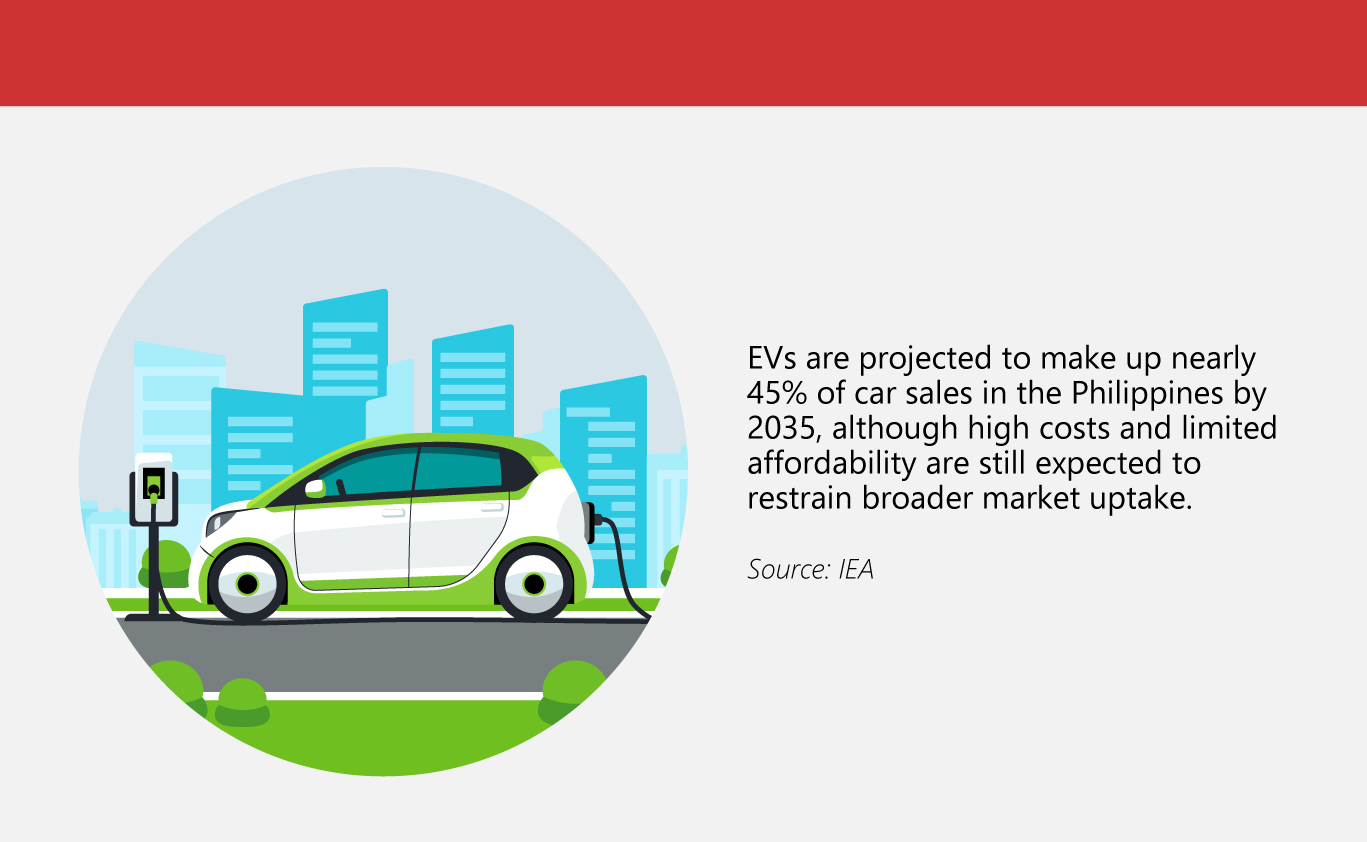
Electric mobility is gaining new momentum in the Philippines as EVs steadily become more visible across everyday urban transport. What was once a limited and largely unfamiliar segment is now gradually entering mainstream awareness, seen in ride-hailing fleets, compact city cars, and the growing presence of charging facilities in key commercial areas.
Driving much of this momentum is VinFast, a Vietnam-based EV maker that operates under the larger conglomerate Vingroup. With a product range spanning compact urban EVs to larger SUVs, VinFast has positioned itself as one of the most active Southeast Asian automakers expanding into the Philippine market. Since its product introduction in 2024, it has played a key role in broadening public exposure to e-mobility in a country still heavily reliant on traditional fuel-powered transport.
Instead of taking a gradual entry approach, VinFast quickly introduced multiple EV models, highlighting economic value and tailored to different user needs. This included small, city-focused vehicles as well as higher-end variants, helping redefine EVs from being niche or experimental products into more practical mobility options. As a result, Filipino consumers have increasingly begun to see EVs as realistic alternatives for everyday use rather than distant innovations.
A major factor supporting this shift is the growing visibility of the Green SM (GSM) Platform, which is also part of the Vingroup ecosystem. Through electric taxis and ride-hailing services, many commuters are encountering EVs for the first time in real-world conditions. These daily experiences have helped normalize clean mobility and reduce hesitation among potential users.
Alongside vehicle rollout, the slow but steady expansion of charging infrastructure has also contributed to improving confidence in EV adoption. As charging stations become more accessible in urban environments, concerns around convenience and usability are gradually being addressed, making EV ownership more practical for a wider market.
Consumer behavior is also evolving in response. Interest in EVs is no longer driven purely by curiosity but by practical considerations such as charging availability, daily efficiency, and overall usability. This shift suggests a market that is becoming more informed and more selective in evaluating mobility options.
Beyond individual vehicles, the broader ecosystem strategy has been central to this growth. By integrating vehicle manufacturing excellence, mobility services, and supporting infrastructure, Vietnamese EVs are being introduced as part of a connected system rather than standalone products. This approach has helped build familiarity, trust, and early adoption momentum among Filipino users.
Overall, the increasing presence of EVs in the Philippines signals a clear shift in the direction of the country’s transport landscape. While challenges remain, the growing acceptance of brands like VinFast highlights the rising influence of regional EV manufacturers in shaping the future of mobility.
(Also read: The Importance of EMS in Boosting EVs)
Uzbekistan Accelerates Shift Toward Next-Gen Mobility
Uzbekistan in Central Asia is rapidly strengthening its position in electric and hybrid mobility through coordinated public and private efforts that are reshaping how investors and consumers view the transport sector.
The country is steadily transforming urban mobility into a high-growth area for cleaner transport solutions, supported by expanding investments in charging facilities, fleet electrification, and green logistics. These developments are not only helping reduce emissions but are also improving supply chain efficiency and creating new commercial opportunities.
By 2030, electric buses are projected to make up around half of urban public transport fleets. A clear example of this shift can be seen in Samarkand, where the city has been upgrading its tram system, servicing around 10,000 passengers daily. These trams consume 500 to 600 kWh of electricity per day at relatively low operating costs, reinforcing their role as an efficient and low-emission transport option.
Samarkand is expanding its electric bus network with Yutong electric buses now operating on key routes. Supported by a €42 million EBRD partnership, the city also plans to add more buses as part of its broader green transport push.
In the capital Tashkent, electrification is progressing on a larger scale. Since 2025, the city has added over 200 electric buses, with long-term plans to electrify half of its public transport fleet by 2030.
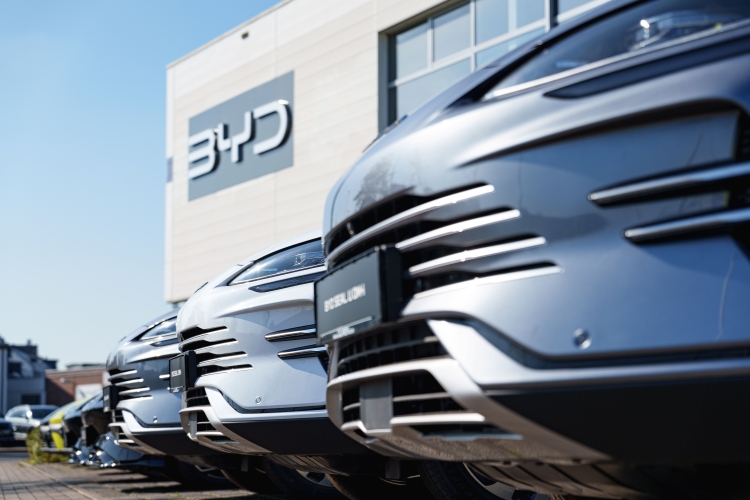
Private sector activity is also accelerating. Domestic production is expanding through engineering capabilities powered by the BYD Uzbekistan Factory, which began full-scale EV and hybrid manufacturing in 2024. Industrial manufacturing output has already grown significantly, with plans to scale from tens of thousands to potentially 200,000 vehicles annually.
At the same time, micromobility solutions such as e-bikes are gaining popularity in major cities, offering flexible options for short-distance travel and last-mile connectivity.
Supporting these developments are national policies aligned with climate commitments under the Paris Agreement. With transport accounting for a significant share of urban emissions, Uzbekistan has prioritized decarbonization through incentives that encourage private investment in electric mobility and charging infrastructure, reinforcing momentum toward an eco-friendlier transport future.
Asia’s EV Momentum
Electric mobility is steadily shifting from an emerging trend to a defining force across Asia, with markets like the Philippines and Uzbekistan showing how quickly adoption is expanding when supported by infrastructure, policy direction, and new mobility services. From growing EV visibility in urban Philippine transport to large-scale electrification of public fleets and production capacity in Central Asia, the region is moving toward a more integrated electric transport ecosystem.
While challenges such as affordability gaps and uneven infrastructure remain, the broader direction is increasingly established. Rising fuel costs and stronger environmental pressures are further reinforcing the shift, positioning EVs not just as an alternative but as a central pillar in the future of mobility across Asia.
 As one of the Top 30 EMS companies in the world, IMI has over 40 years of experience in providing electronics manufacturing and technology solutions.
We are ready to support your business on a global scale.
Our proven technical expertise, worldwide reach, and vast experience in high-growth and emerging markets make us the ideal global manufacturing solutions partner.
Let's work together to build our future today.
Other Blog