Machine Vision in 2026: What's Next?
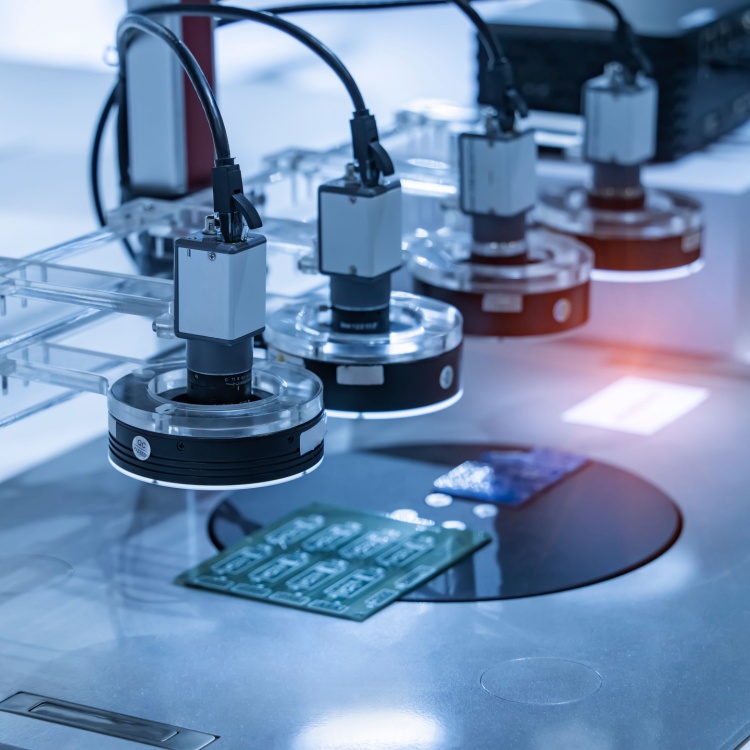
Machine vision has evolved from a specialized inspection tool into a core technology driving modern operations. It is no longer used solely to identify defects at the end of a production line in industrial manufacturing. Instead, machine vision is embedded throughout the production process, providing continuous data that helps manufacturers monitor quality, optimize workflows, and respond to problems before they disrupt operations.
By combining high-resolution cameras with AI, these systems can detect subtle defects and verify assembly accuracy, enabling factories to improve productivity while minimizing waste and costly downtime.
Its role extends well beyond the factory. Distribution facilities are using machine vision to improve inventory accuracy by automatically monitoring stock, tracking product movement, and flagging misplaced goods for correction. These capabilities allow facilities to process larger volumes of goods with greater speed and precision, even as labor shortages and rising customer expectations continue to challenge supply chain management.
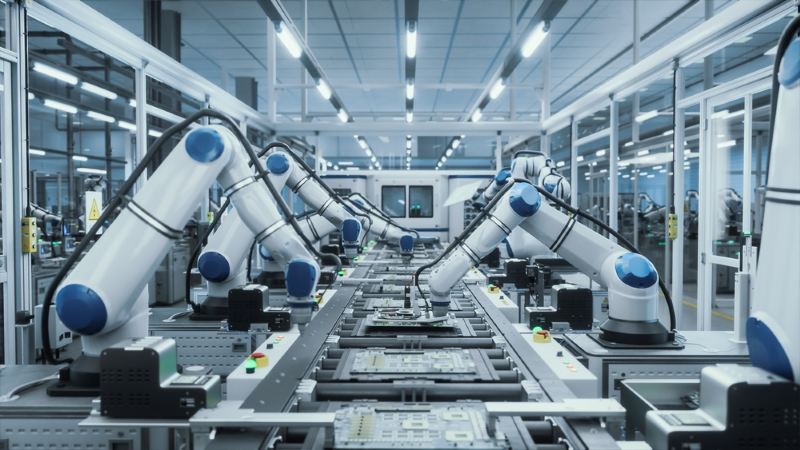
Machine vision has also become indispensable in robotics. Industrial robots now rely on advanced camera vision and technology to recognize objects, navigate complex environments, and perform precise tasks with minimal human intervention.
(Also read: Why You Should Invest in Machine Vision)
How Manufacturers Are Leveraging Machine Vision
Modern factories are turning to machine vision to achieve manufacturing excellence.
-
Predictive maintenance
The future of industrial maintenance is shifting from repair to prevention. Machine vision systems continuously analyze machinery performance, detecting early warning signs of potential failures. By identifying changes before they escalate into major issues, these manufacturing solutions help reduce downtime and costs.
-
Product testing and inspection
Factories are gaining a sharper eye for quality with machine vision redefining visual inspection processes. Using advanced cameras and deep learning models, advanced machine vision can detect defects that may escape human observation while analyzing production lines in real time.
-
Safety surveillance
By analyzing activity in real time, these solutions can identify potential hazards and compliance issues before they result in accidents. Automated alerts allow supervisors to respond quickly, helping create safer industrial spaces while reducing reliance on manual monitoring alone.
-
Robotics and automation
Robots are becoming more adaptable as advanced vision technology services help them understand and respond to changing environments. With improved depth perception and real-time analysis, automated systems can handle complex tasks, recognize different objects, and operate more safely alongside people.
-
Logistics optimization
Warehouses are gaining greater visibility and efficiency through AI-powered vision systems, tracking goods and monitoring movement across facilities in industrial markets. This reduces manual processes while giving operators more accurate, real-time insights into stock levels and warehouse activities.
-
Assembly inspection
Machine vision plays a key role in test and system development by enabling manufacturers to refine automated assembly processes. Through continuous verification of component placement and workflow accuracy, this helps detect issues earlier, ensuring production lines operate with greater consistency.
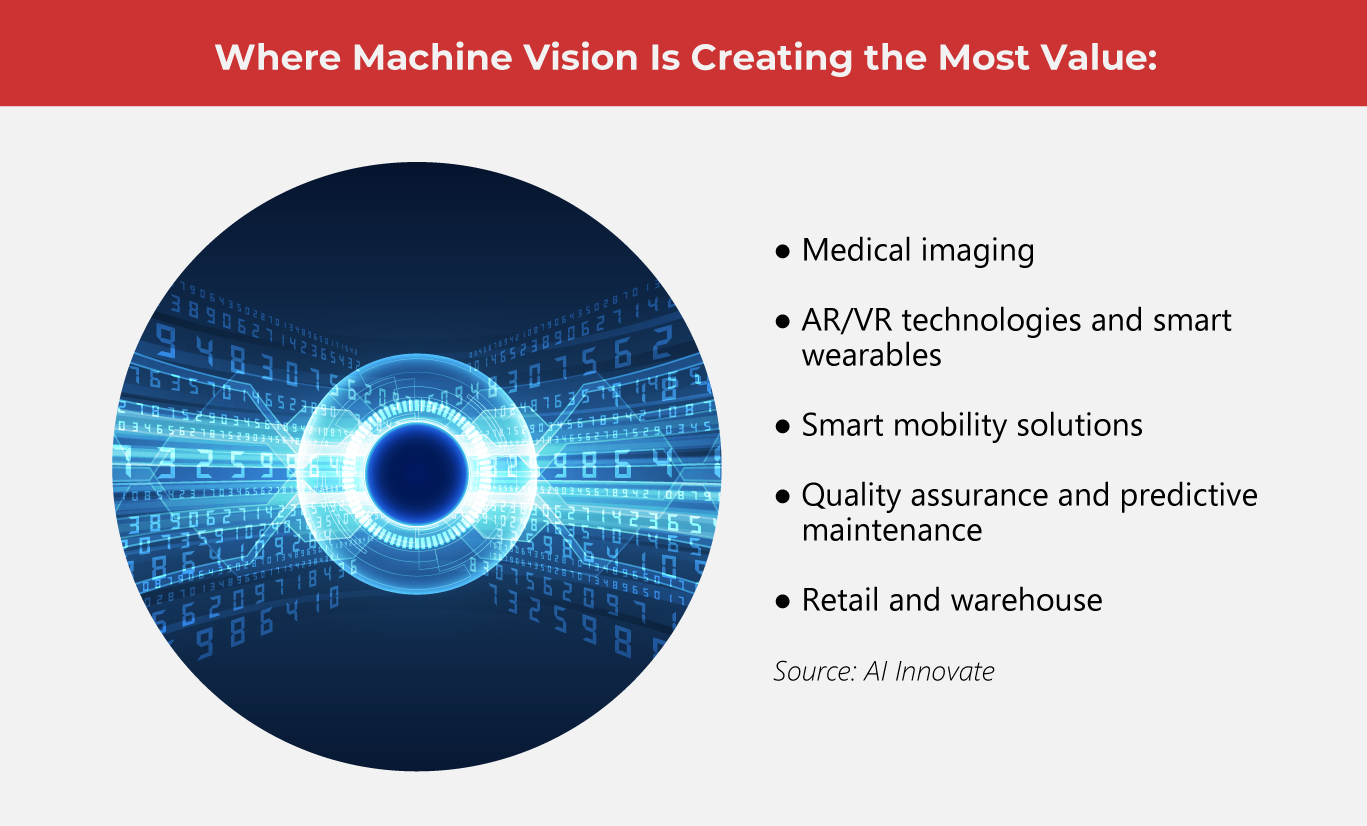
AI and Machine Vision: What’s Next?
As AI continues to advance, machine vision is evolving into a smarter technology capable of supporting complex manufacturing technologies and industries.
-
Edge AI and instant data processing
Every millisecond matters in environments powered by computer vision. Edge AI addresses this challenge by enabling devices to process visual data locally rather than waiting for cloud-based analysis. The result is faster responses, improved reliability testing, and greater control in applications that require immediate action.
-
Advanced vision sensors
Manufacturers are turning to faster imaging technologies to keep pace with increasingly demanding production environments. High-speed vision sensors allow machines to capture and analyze visual data with minimal delay, supporting rapid operations without sacrificing accuracy. As these solutions become more affordable, their use is expected to grow across a wider range of industrial applications.
-
Hyperspectral vision
Traditional cameras capture what the eye can see, but hyperspectral imaging reveals information beyond the visible spectrum. By conducting material composition analysis, this technology helps manufacturers better understand product composition and detect inconsistencies. Its advanced capabilities are strengthening quality assurance processes, particularly in industries where material accuracy is critical.
-
Synthetic data generation
Training AI systems often depends on having large amounts of accurate data, which can be difficult and expensive to collect. Synthetic data is helping address this challenge by creating realistic virtual scenarios for machine learning. In manufacturing, simulated datasets allow vision models to learn from uncommon situations, improving accuracy while reducing dependence on extensive real-world data gathering.
(Also read: How to Secure Your Smart Factory)
Bridging Speed, Intelligence, and Efficiency in Machine Vision
The next generation of AI-powered systems will require more than high-resolution images. As machines become increasingly capable of understanding and interacting with the world around them, vision technologies must capture not only what objects look like, but also how they move, change, and respond in real time. This growing demand is driving innovation in hybrid vision sensors, including AIpsenTek’s Hybrid Vision Sensor (HVS) technology, which combines the strengths of traditional imaging with event-based sensing.
Unlike conventional image sensors that continuously capture full frames, event-based sensors detect changes in a scene and record only meaningful variations in light or movement. This approach allows them to respond extremely quickly, reduce unnecessary data, and perform effectively in challenging lighting conditions. However, standalone event-based sensors can face limitations in applications that require detailed image information alongside motion detection.
HBS addresses this challenge by integrating frame-based imaging and event-based perception within a single sensor architecture. This allows systems to capture detailed visual information while also gaining access to faster motion detection and more efficient data processing. The combination is particularly valuable for applications that require rapid responses, including autonomous systems, industrial robots, smart devices, and edge AI solutions.
By reducing data overload and improving real-time awareness, HVS represents a potential step toward more efficient AI vision systems. Instead of processing every piece of visual information equally, the sensor can help prioritize meaningful changes at the source. This approach supports applications where speed, power efficiency, and intelligent decision-making are critical, as AI continues expanding into physical environments that require faster and more responsive machine perception.
Future-Ready Machine Vision
As industries continue embracing automation and AI, machine vision will become increasingly central to how businesses operate, make decisions, and solve complex challenges. From smarter factories to autonomous systems, advances in visual intelligence are expanding what machines can understand and accomplish. As technology evolves, machine vision will move beyond inspection to become a foundation for more adaptive, efficient, and intelligent operations.
 As one of the Top 30 EMS companies in the world, IMI has over 40 years of experience in providing electronics manufacturing and technology solutions.
We are ready to support your business on a global scale.
Our proven technical expertise, worldwide reach, and vast experience in high-growth and emerging markets make us the ideal global manufacturing solutions partner.
Let's work together to build our future today.
Other Blog