CNC Machining Trends and Benefits This 2026
Smart manufacturing is transforming precision machining by combining technologies such as artificial intelligence (AI), robotics, and the Internet of Things (IoT) to streamline production and improve operational efficiency.
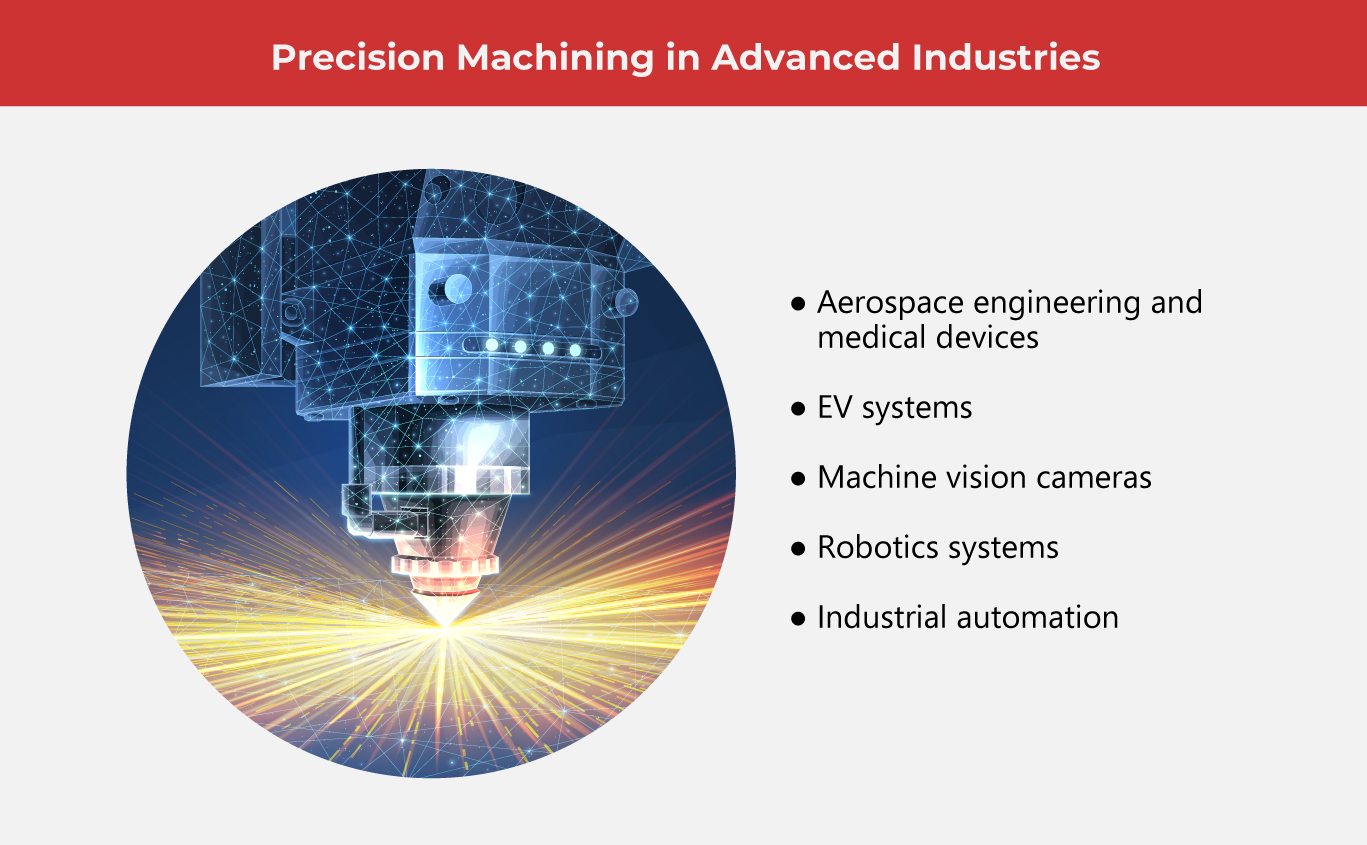
The shift is being driven by fast-growing industries, including electronics manufacturing, electric vehicles (EVs), and machine vision, all of which depend on high-performance components that meet increasingly demanding performance and quality standards.
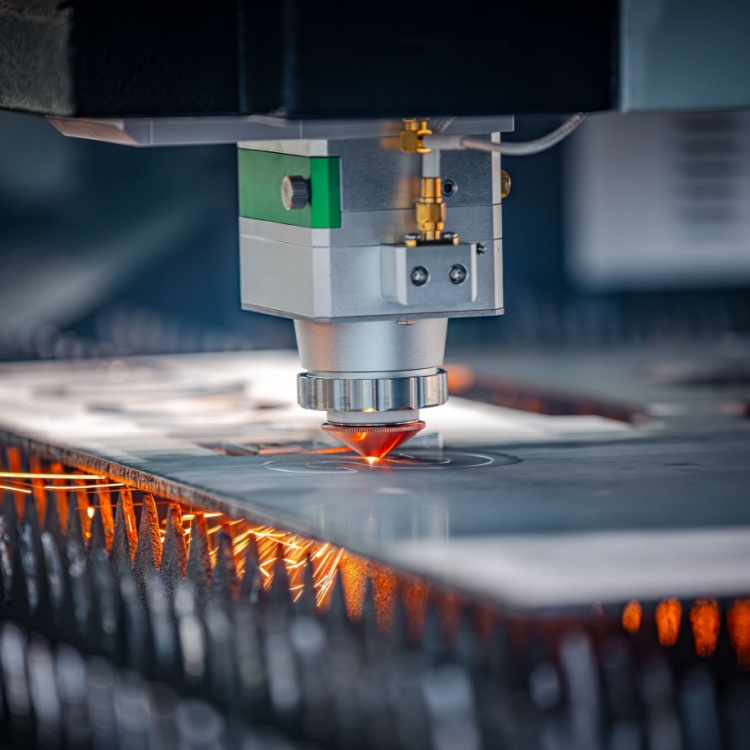
Computer Numerical Control (CNC) machining continues to serve as a core process in the production of advanced mechanical components, valued for its accuracy, consistency, and adaptability across different manufacturing industries and technologies. In this process, computer programs control machines to cut and shape materials like metal or plastic with precision. It also enables consistent, automated production of complex parts with minimal manual intervention.
(Also read: IoT Evolves into Smarter, Faster Connected Systems)
CNC Machining Benefits at a Glance
The value of CNC machining becomes clear when looking at its impact on modern production.
-
Ultra-precise, consistent output
CNC machining relies on digital instructions to guide cutting and shaping equipment with a high degree of control and accuracy. This level of automation allows manufacturers to produce complex mechanical components with outstanding consistency from one part to the next. It is especially valued for its ability to achieve extremely fine dimensional control, reliable repeatability in production runs, and smooth surface finishes.
-
Fast, flexible production for small batches and custom needs
Manufacturing processes today demand greater agility as product design and development evolve more frequently, and production runs become more varied. Digital programming allows machines to adapt quickly to new specifications without the need for retooling, reducing delays and boosting productivity. This makes it well-suited for small-batch production, custom components, and rapid prototyping, where flexibility and fast turnaround are essential.
-
Delivering quality efficiently at the right cost
Modern companies are under pressure to maintain high quality while improving efficiency and controlling costs. Automated machining processes help reduce human error, streamline production, and minimize material waste, all while ensuring consistent output. Advances in tooling and clamping systems also help prevent part deformation, lowering scrap rates and improving resource use. As a result, this approach has become a future-ready solution across a wide range of industries.
7 Leading Trends in Precision Machining
Industry analysis highlights several key shifts shaping precision machining in 2026 as manufacturing solutions continue to adapt to rapid change. Across the sector, rising production demands and tighter requirements are pushing companies to rethink how machining systems are designed and managed, with greater emphasis on consistency and predictable performance at every stage.
At the same time, the industry is facing challenges such as labor shortages, higher costs, and stricter tolerances, driving a move toward Industry 5.0 where human expertise works alongside intelligent systems. This is also reshaping purchasing priorities, with greater focus on reliability and process stability, as even minor failures can disrupt highly automated production lines.
-
The rise of digital twins
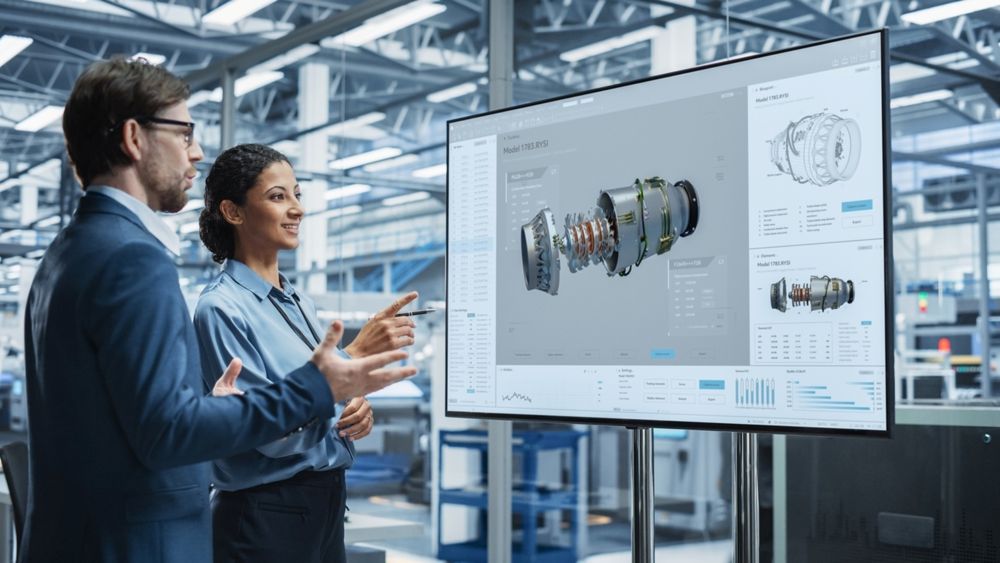
Digital twins are evolving into real-time systems that replicate the full machining workflow, from design to inspection. They support integrated modelling, enabling virtual commissioning, clash checks, and kinematic validation before production begins. This reduces errors, speeds setup, and strengthens reliability testing, while real machine data continuously improves accuracy.
-
IoT connectivity
Today, devices like CNC chucks—mechanisms that grip and hold a part during machining—are no longer purely mechanical but data-aware. In advanced aerospace and automotive production, these smart fixtures transmit real-time information on clamping force, jaw alignment, and temperature changes, helping operators better understand and control the process as it happens.
-
Smart automation systems
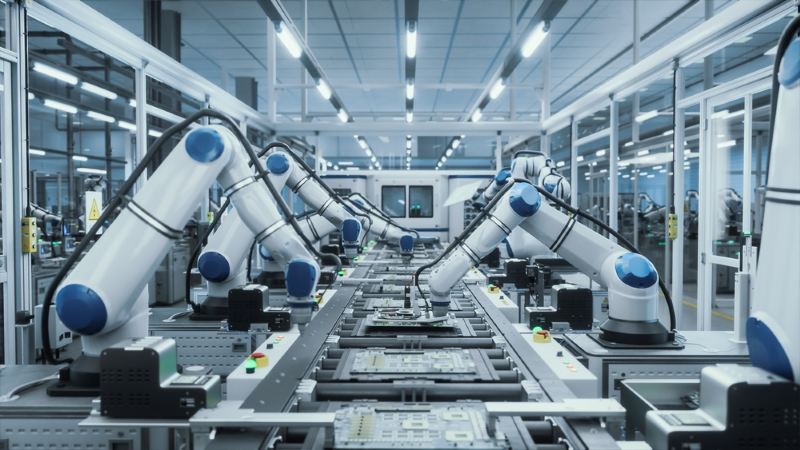
Automation and robotics are taking over repetitive tasks like part loading and inspection. For instance, modern sealed chucks protect internal components from chips and coolant, while air-sensing systems confirm proper part seating before machining begins. These safeguards help reduce errors in situations where robots cannot detect misalignment or debris.
-
AI-driven technologies
AI has moved from experimental pilots to an essential part of everyday machining. Instead of simply monitoring processes, AI now helps adjust cutting conditions in real time using sensor feedback such as vibration, load, and temperature. This creates smoother machining, better surface results, and fewer interruptions. As systems become more connected, operators shift toward interpreting data and refining process behavior.
-
Hybrid manufacturing
Additive and subtractive manufacturing are increasingly working together, with hybrid systems combining material deposition and precision machining on a single platform. Gaining adoption in several sectors, this approach reduces waste by near-net shaping while refining critical features through cutting. It also enables complex geometries like internal channels and lattice designs.
-
Predictive maintenance
Reactive maintenance is being replaced by predictive maintenance as the new standard. Instead of fixing issues after breakdowns, manufacturers now use data from smart CNC chuck systems to anticipate wear, lubrication needs, and changes in gripping force. This allows maintenance to be scheduled in advance, reducing unexpected downtime and improving production planning.
-
Sustainability
Sustainability is becoming a key performance measure in precision machining, not just a reporting topic. Manufacturers are embedding environmental goals into daily operations, focusing on energy use, material efficiency, and waste reduction. Practices such as coolant recycling, minimal lubrication, and low-energy machine operation are gaining traction. Customers are also demanding clearer carbon data per part, linking sustainable practices directly to economic value.
(Also read: HMLV Manufacturing in 2026: Key Benefits)
The Future of CNC Machining in a Connected Era
As industries continue advancing toward greater automation and performance, CNC machining remains a foundational process for producing high-precision mechanical components. Its strength lies in delivering consistent quality, adaptable production, and dependable results, making it essential across modern engineering and industrial sectors.
CNC machining is becoming increasingly defined by integration and data-driven insight. Every machine cycle is now seen as a source of information—captured, analyzed, and used to refine future performance. This shift is shaping smarter, more responsive production environments where digital tools guide physical processes.
Forward-looking manufacturers are investing in connected, AI-enabled workflows, simulation tools that reduce uncertainty, and sustainable practices that improve both efficiency and responsibility. They are also developing teams that think in continuous data feedback loops rather than isolated tasks.
In this evolving landscape, precision manufacturing is no longer just about cutting metal; it is about combining technology, insight, and innovation to achieve ever higher levels of perfection. As one of the Top 30 EMS companies in the world, IMI has over 40 years of experience in providing electronics manufacturing and technology solutions.
We are ready to support your business on a global scale.
Our proven technical expertise, worldwide reach, and vast experience in high-growth and emerging markets make us the ideal global manufacturing solutions partner.
Let's work together to build our future today.
Other Blog