Top Solutions to the World's Growing E-Waste
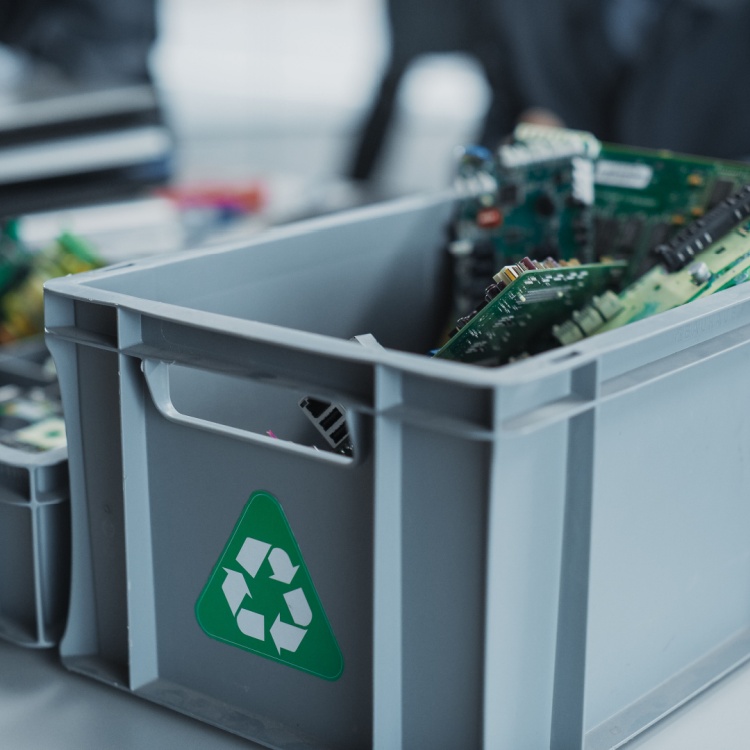
October 14 is observed as International E-Waste Day, a global initiative that highlights the environmental impact of discarded electronics and the importance of improving e-product circularity. Launched in 2018 by the Waste Electrical and Electronic Equipment (WEEE) Forum, the campaign aims to raise awareness about responsible e-waste recycling as global manufacturing continues to expand.
The UN classifies e-waste as discarded battery- or plug-powered products that may contain both valuable resources and hazardous substances. Proper recovery and recycling are essential to capture economic value while safeguarding the environment and human health. However, the widening gap between e-waste generation and recycling rates highlights the urgent need for stronger action from all stakeholders.
(Also read: The New Life of EV Batteries)
The Environmental and Health Risks of E-Waste
E-waste has become a growing environmental concern as discarded electronics continue to accumulate worldwide. Unlike ordinary waste, electronic products can contain toxic substances that do not easily break down and may contaminate ecosystems. Improper recycling methods, such as open burning and chemical treatments used to recover valuable materials, can release harmful pollutants into the environment while exposing workers to dangerous levels of substances such as mercury, lead, and arsenic.
These hazardous materials can pose serious risks to human health, with prolonged exposure linked to severe conditions, including neurological damage, certain cancers, reproductive problems, and developmental impacts. Because of these dangers, e-waste is classified as hazardous waste and requires proper collection, treatment, and recycling processes to prevent harm.
Poorly managed e-waste also represents a major loss of valuable resources. Through material composition analysis, manufacturers can identify critical elements found in discarded electronics, including neodymium used in electric motors and cobalt essential for battery production.
However, many of these resources are lost because recovery systems remain inefficient. While existing technologies can recycle up to 95% of some materials, cobalt recovery rates, for example, remain around 30%.
Improving e-waste recycling can also help reduce the environmental burden of mining. Recycled metals require significantly less energy than extracting materials from virgin sources and can generate substantially lower carbon emissions. Recovering gold from electronic waste, for instance, produces far fewer emissions than traditional mining.
The impact of electronics manufacturing on climate change also begins long before products reach consumers. Producing a tonne of laptops can generate around 10 tonnes of carbon dioxide emissions, with much of a device’s carbon footprint created during production.
This highlights the importance of using recycled materials, adopting lower-carbon manufacturing solutions, and extending product lifespans. As global demand for technology grows, responsible e-waste management will be essential in building future-ready industrial markets.
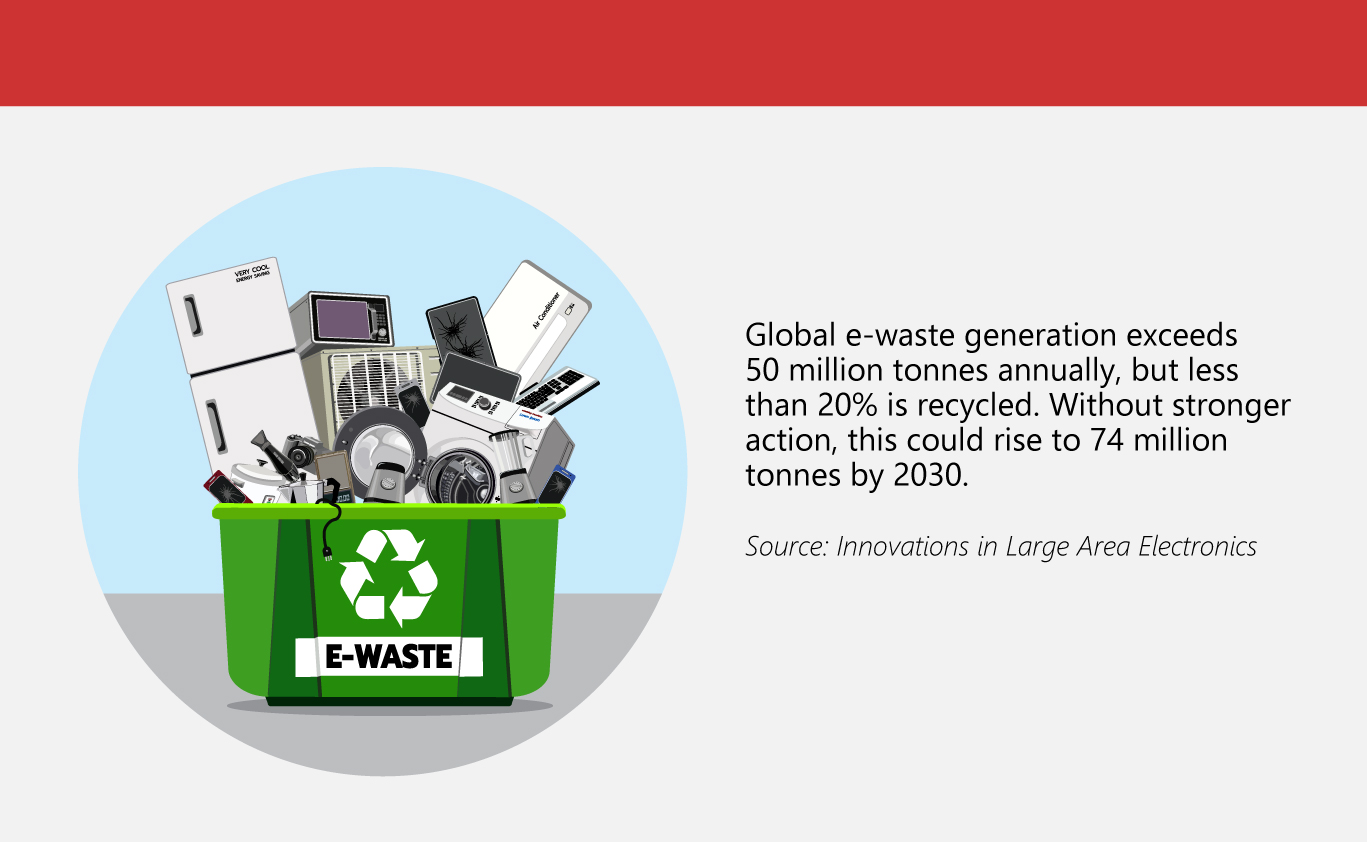
The Complexities of E-Waste Collection
While e-waste recycling is essential for recovering valuable materials and reducing environmental harm, several barriers continue to make effective collection difficult.
-
Fast-paced tech evolution
Shorter product lifecycles, advanced product design and development, embedded components, and mixed materials make electronics harder to identify, sort, and recycle. As devices undergo miniaturization and are more integrated into everyday items, many are discarded incorrectly, placing additional pressure on existing collection and recycling systems.
-
Fragmented regulatory landscape
E-waste collection systems vary worldwide due to differences in regulations, infrastructure, and enforcement. Some countries rely on formal programs and producer responsibility schemes, while others face challenges from informal disposal and recycling practices. Without proper systems, discarded electronics may end up in landfills or unsafe processing sites.
-
Limited Awareness and Weak Collection
Limited public awareness remains a major barrier to effective e-waste collection. Many consumers are unsure which items qualify as e-waste or where to bring them, resulting in improper disposal. Expanding accessible collection points, clarifying guidelines, and promoting retailer take-back programs can help improve green practices in industrial manufacturing.
-
High upfront expenses
Building effective e-waste collection systems requires significant investment in infrastructure and advanced processing technologies. While upfront costs can be a challenge, adopting stronger ESG in manufacturing practices can help companies create long-term value by reducing environmental risks, protecting communities, and recovering valuable resources. Supportive policies and industry partnerships can further drive sustainable e-waste management.
-
Cross-border movement of e-waste
The global movement of e-waste across borders continues to raise concerns, especially when discarded electronics are transferred without proper oversight. Stronger regulations and monitoring are needed to ensure responsible processing and recovery.
(Also read: Circular Design Is Reshaping EMS This 2026)
Driving Smarter E-Waste Solutions
Creating a more sustainable electronics industry starts with rethinking how products are designed, used, and recovered after disposal.
-
Advanced sorting technologies
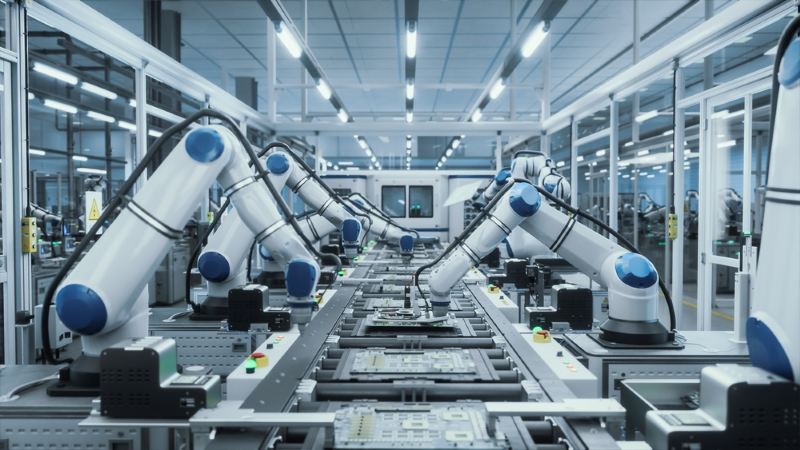
Automation, robotics, and artificial intelligence (AI) are transforming e-waste recycling by improving the identification, sorting, and disassembly of electronic devices. These technologies increase material recovery while reducing manual handling and workers' exposure to hazardous substances.
-
Broader collection network
Making e-waste recycling more accessible through convenient drop-off hubs at retail locations encourages responsible disposal and helps ensure discarded electronics are properly managed.
-
E-waste collection vehicles
Mobile collection services can help reach communities with limited recycling access by bringing e-waste pickup directly to households, improving participation.
-
Data-driven collection
Smart collection management uses real-time information from connected devices to improve scheduling, optimize resources, and create more efficient e-waste collection processes.
-
Digital traceability
GPS monitoring and blockchain technology can improve e-waste traceability by creating greater transparency, reducing unauthorized disposal, and supporting responsible handling throughout the recycling process.
-
Rewards for e-waste returns
Providing rewards like trade-in credits or discounts motivates consumers to return outdated electronics.
Building a Circular Future for Electronics
The growing e-waste industry presents an opportunity to rethink how electronics are designed, produced, and used. Rather than viewing discarded devices as only a consumer waste issue, a more sustainable approach considers the entire product lifecycle—from raw material extraction and manufacturing to repair, reuse, and recycling.
Creating a circular electronics economy in industrial manufacturing requires collaboration across the value chain. Producers, businesses, consumers, and policymakers all have a role in extending product lifespans, preserving valuable materials, and reducing waste.
Advances in technologies such as cloud computing, the Internet of Things (IoT), and improved product tracking systems could support more efficient resource management and encourage new models based on reuse and recovery.
Meanwhile, companies can help reduce environmental impacts by developing durable and repairable products, adopting cleaner production methods, and improving systems for recovering valuable materials from old devices. Circular business models, including leasing and refurbishment programs, can further encourage responsible consumption while creating new economic opportunities.
With stronger policies, better recycling infrastructure, and continued innovation, the electronics industry can move toward a future where technology growth is balanced with environmental responsibility and long-term resource security. As one of the Top 30 EMS companies in the world, IMI has over 40 years of experience in providing electronics manufacturing and technology solutions.
We are ready to support your business on a global scale.
Our proven technical expertise, worldwide reach, and vast experience in high-growth and emerging markets make us the ideal global manufacturing solutions partner.
Let's work together to build our future today.
Other Blog