HMLV Manufacturing in 2026 Key Benefits
The long-standing model that once defined global manufacturing was built on scale and uniformity, producing vast quantities of identical components as efficiently as possible. However, that approach is steadily losing relevance in today’s environment.
Modern customers increasingly expect tailored products, quicker turnaround times, and greater variety even within the same product line. As a result, manufacturers across the industry are shifting toward HMLV operations, a far more complex system that prioritizes flexibility and customization over mass repetition.
HMLV focuses on producing a wide range of customized products in smaller batches, sometimes fewer than 50 units. This approach enables firms to respond quickly to shifting customer needs, niche demands, and emerging market trends.
In contrast, high-volume production is built around standardized output, where efficiency and lower per-unit costs are the main advantages.
HMLV operations, however, require frequent production changeovers and strong visibility into workflows and bottlenecks. Success depends on agile systems, consistent quality across variants, and effective capture of operational knowledge. In such dynamic environments, traditional rigid systems often struggle to keep pace with complexity and variability.
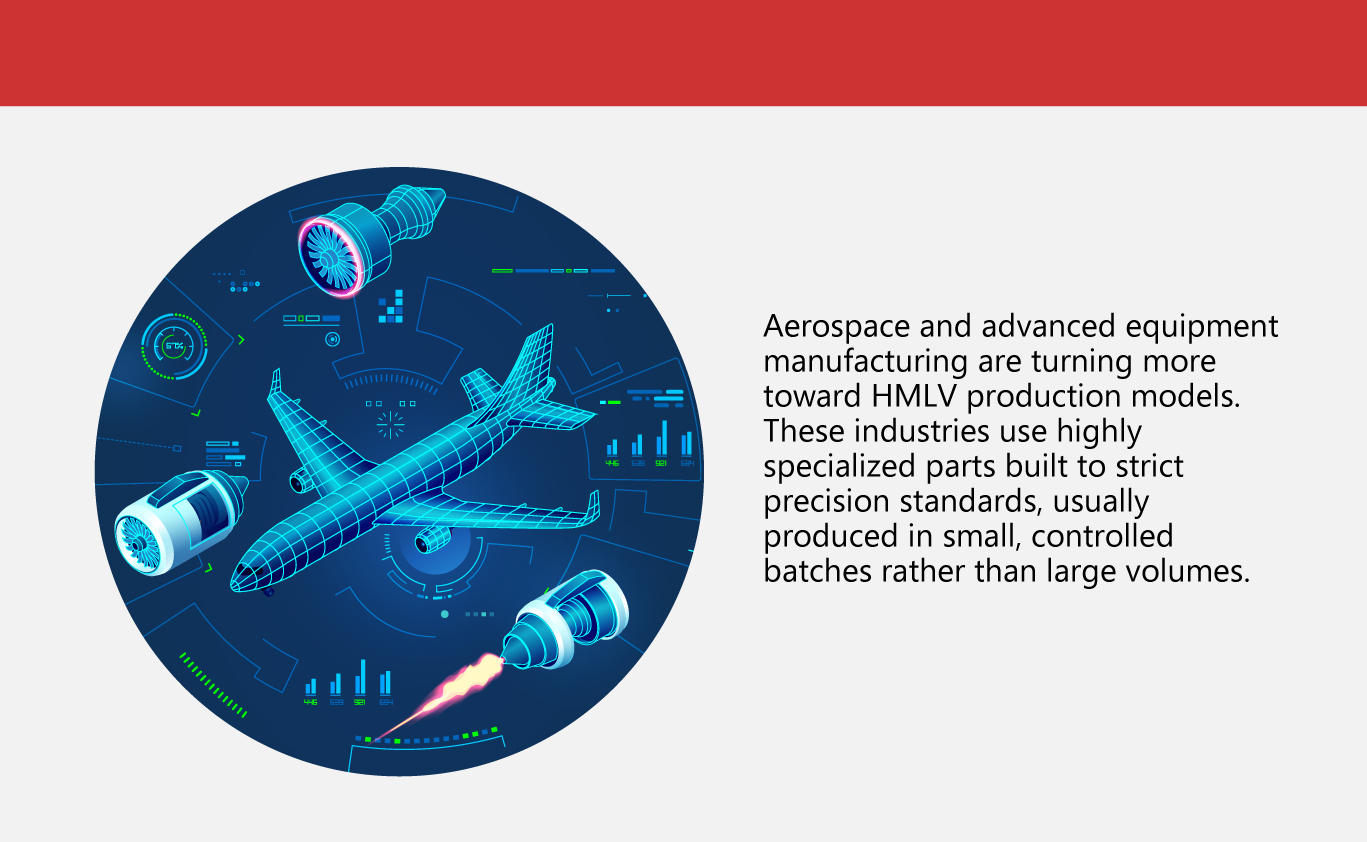
Why HMLV Is Taking Over Modern Manufacturing Models
As demand shifts toward flexibility and customization, HMLV is increasingly seen as a key manufacturing solution shaping modern production strategies.
-
Product customization
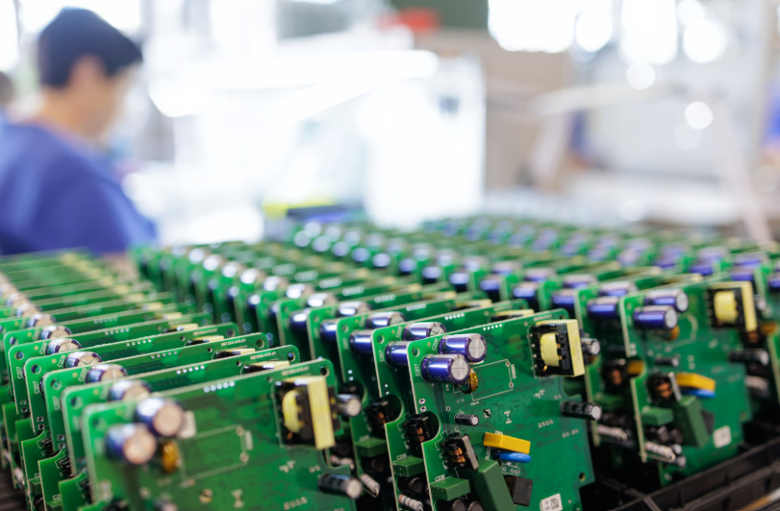
End markets are now pushing for highly tailored features across products such as electric vehicles (EVs) and battery systems with model-specific control boards, industrial automation with customized logic modules, and defense electronics built to strict contract requirements. As product design and development complexity grows, production volumes decrease while output variation continues to expand.
-
Faster product launches
Rather than launching a single board every couple of years, companies now continuously refine and update designs. This results in more frequent revisions, smaller production batches, and ongoing design and engineering changes. In response, HMLV manufacturers need the ability to adapt processes quickly while maintaining precision and consistency throughout production.
-
Issues in supply chain management
Recent years have exposed major industry challenges, including shifting tariffs, longer lead times, and rising geopolitical risks alongside stricter compliance demands in sourcing. In response, companies are prioritizing resilience by shifting to smaller, more frequent production batches with tighter oversight.
Main Challenges of HMLV Operations
While HMLV offers strong flexibility for modern industrial manufacturing, it also introduces a unique set of operational challenges that companies must carefully manage.
-
Repeated configurations
Daily shifts between numerous unique builds demand streamlined setups, disciplined programming, and agile scheduling. While enterprise resource planning systems rely on fixed times and standard routings, real-world operations are less predictable, with changeovers varying by operator skill, equipment behavior, and on-the-spot adjustments.
-
Highly detailed bills of materials (BOMs)
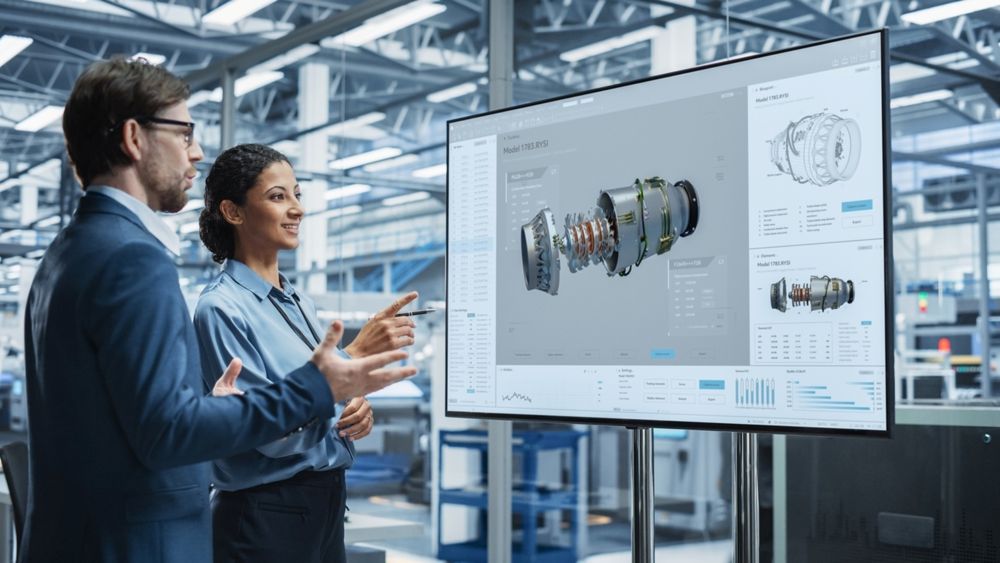
HMLV production demands strong engineering capabilities due to its varied and complex processes. Work often combines surface mount technology (SMT), through-hole, and manual assembly methods, while component sourcing can be challenging, requiring approved substitutes. As a result, engineering support is as critical as manufacturing execution.
(Also read: How Jet Dispensing is Driving SMT Speed)
-
Strict quality oversight
When production runs are limited to just one to 50 units, even a single defect carries significant weight. Without the cushion of high-volume output, there is little room to absorb errors, making precision and consistency critical at every stage of the process.
Navigating HMLV Complexity
As manufacturers navigate increasing complexity, capturing economic value in high-mix environments depends on disciplined execution.
-
Minimize changeover time.
Long changeovers quickly erode profitability, unlike mass production, where extended runs absorb downtime. Applying Single-Minute Exchange of Die (SMED) principles by externalizing setup tasks and using digital checklists helps shorten transitions and recover valuable production time.
-
Build workforce adaptability.
Bottlenecks shift daily across machining, assembly, and packaging. Relying on single-skill operators creates inefficiency and idle capacity. Companies increasingly build poly-skilled teams, supported by digital skill tracking and guided work instructions to enable rapid redeployment across stations.
-
Shift to responsive scheduling.
High-mix manufacturing demands real-time scheduling as static plans quickly become obsolete due to shifting orders, breakdowns, and material gaps. Digital systems enable instant adjustments, improve material visibility, and group similar jobs to reduce downtime and improve operational efficiency.
-
Streamline the workflow.
Producing hundreds of unique parts does not require entirely different processes. By grouping similar components into families and organizing dedicated cells, manufacturers can standardize workflows, reduce setup variation, and maintain smoother, more consistent production.
-
Optimize maintenance.
In HMLV environments, fixed maintenance windows are rare due to fluid schedules. Instead, teams rely on opportunity maintenance, using idle time between setups for quick preventive tasks, supported by digital alerts that prompt timely inspections.
How IPS Thrives in HMLV Operations
Designed with High-Mix Low-Volume production in mind, integrated production systems (IPS) support everything from prototypes and new product introductions to evolving designs and specialized programs across sectors.
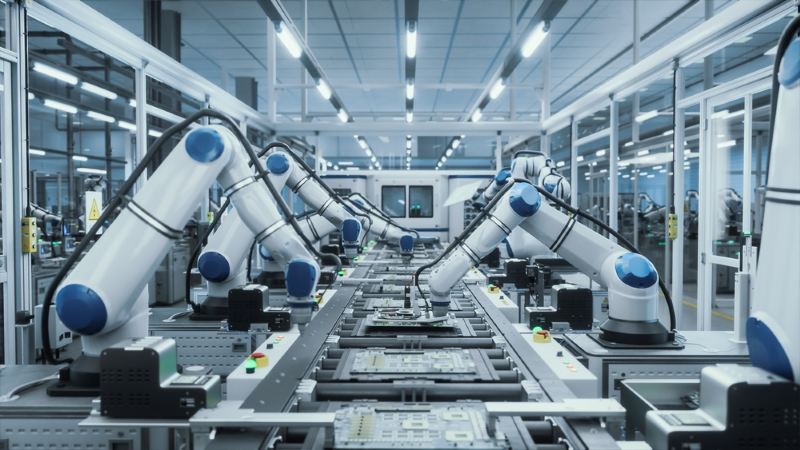
A major advantage is the ability to switch jobs quickly, supported by flexible SMT line configurations, off-line programming, trained line operators, and standardized setup routines that help minimize downtime between production runs. Engineering integration is central, with early design-for-manufacturability reviews, bill of materials optimization, and close collaboration that helps reduce risks and shorten development cycles.
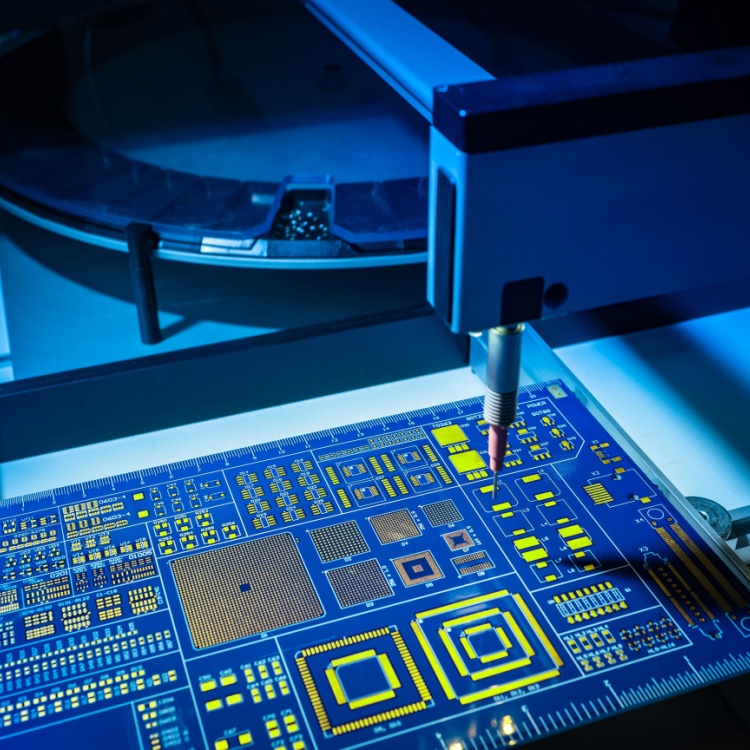
Advanced inspection systems such as three-dimensional solder paste inspection, automated visual inspection, X-ray analysis, and selective soldering ensure consistent quality across all build sizes.
Beyond assembly, IPS offers a complete end-to-end capability covering sourcing, wiring, box builds, coating, testing, and repair within a single controlled environment.
(Also read: 6 Steps to a Successful New Product Introduction)
How Computer Numerical Control (CNC) Machining Supports HMLV Production
CNC machining is a flexible manufacturing process that produces precision parts, fixtures, and tooling for small batch and highly varied production. It supports rapid changeovers and customization, making it well-suited to HMLV environments where each job often differs in design and requirements.
CNC operations are increasingly shaped by digital technologies such as AI-assisted programming, which helps generate and optimize toolpaths, reduce errors, and speed up setup.
Digital twin systems allow manufacturers to simulate machining before cutting, improving accuracy and reducing trial runs. Hybrid manufacturing, combining additive and subtractive methods, further expands capability by enabling complex geometries and efficient use of materials.
At the same time, advances in tooling and process control make it possible to machine difficult materials like titanium and superalloys more effectively. Together, these innovations strengthen CNC machining as a core enabler of agile, efficient HMLV production systems.
HMLV as the New Manufacturing Reality
The shift toward customization and frequent design changes has fundamentally altered production priorities. Efficiency is now measured not only by volume but by adaptability and speed of response. HMLV stands out as the model that aligns with these demands, enabling manufacturers to manage complexity, reduce friction, and stay competitive in fast-moving industrial markets.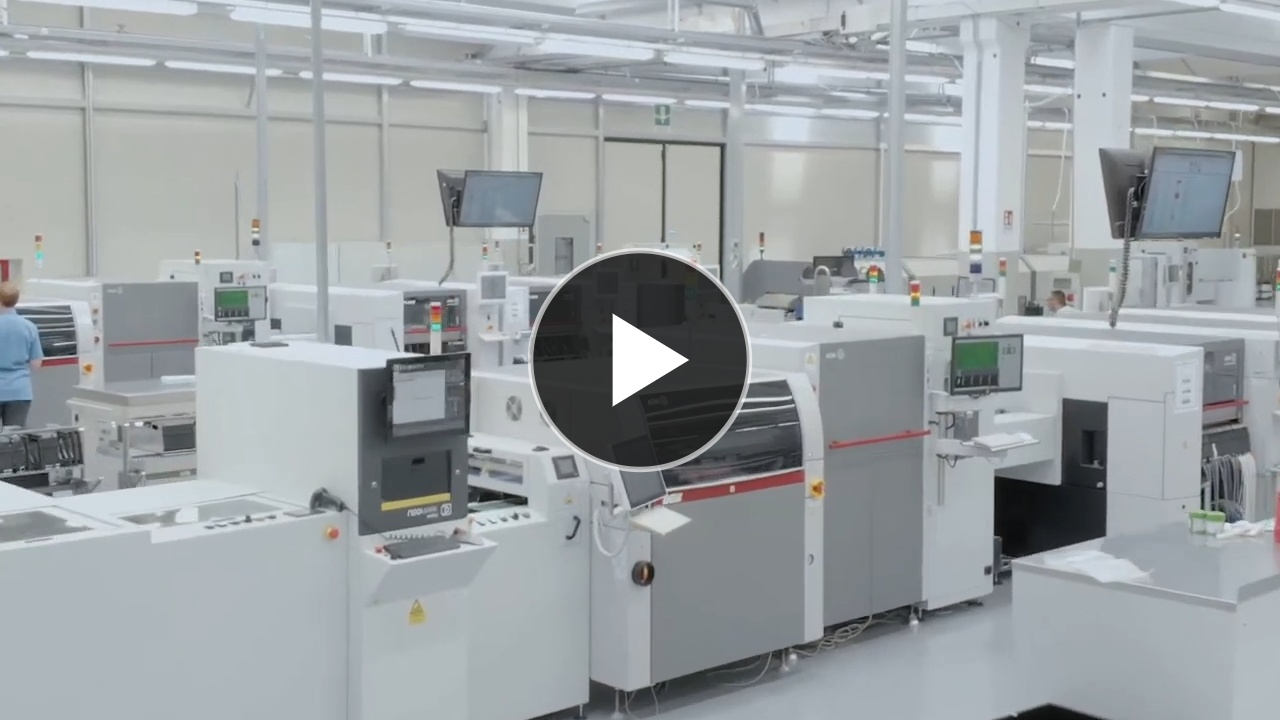
As one of the Top 30 EMS companies in the world, IMI has over 40 years of experience in providing electronics manufacturing and technology solutions.
We are ready to support your business on a global scale.
Our proven technical expertise, worldwide reach, and vast experience in high-growth and emerging markets make us the ideal global manufacturing solutions partner.
Let's work together to build our future today.
Other Blog