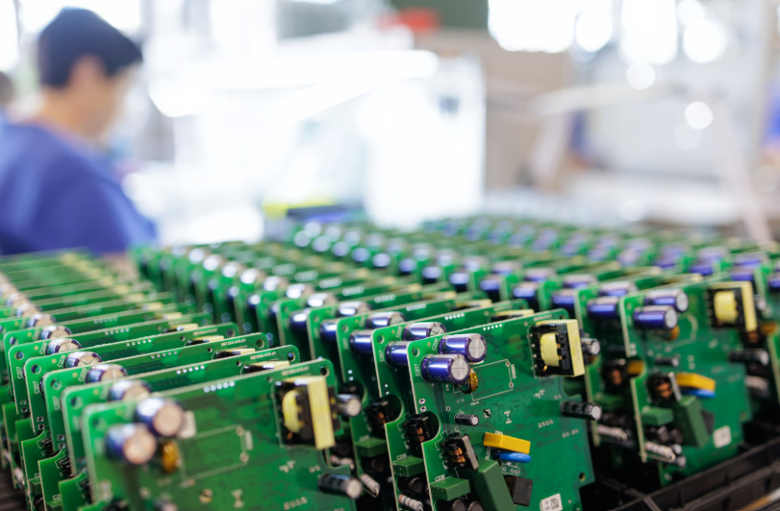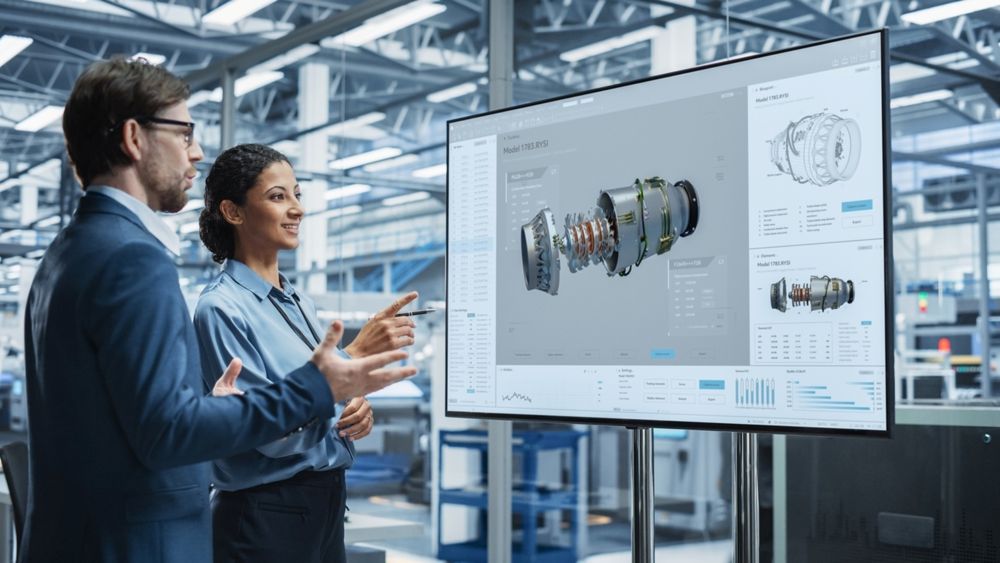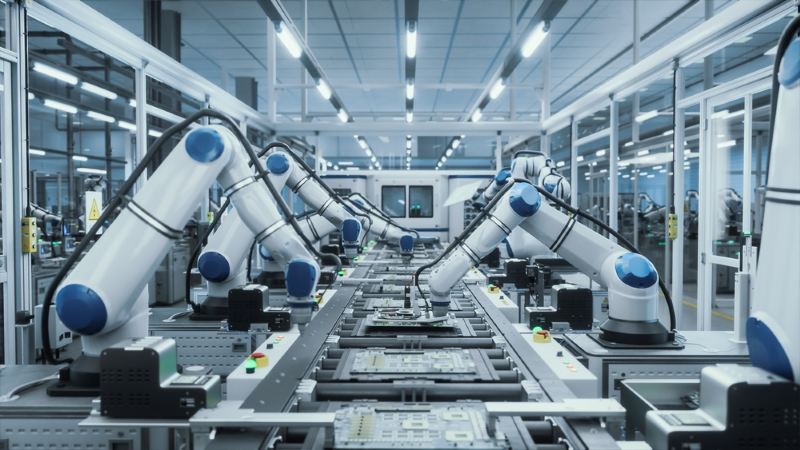
How DFM Reduces Costs and Increases Profit

DFM serves as the strategic bridge between a conceptual blueprint and a market-ready reality. This alignment ensures that every facet of the lifecycle, from procurement and assembly to long-term repair, is optimized for efficiency without compromising the original vision’s form or function.
Integrating these insights during the early stages of product design and development in manufacturing industries minimizes the need for expensive late-stage redesigns and protects the supply chain against unexpected disruptions.
Ultimately, a robust DFM strategy sets a high bar for consistency and quality. By simplifying assembly processes, companies can maintain strict standards through rigorous product testing while significantly accelerating their time to market.
(Also read: The New Rules of Manufacturing in 2026)
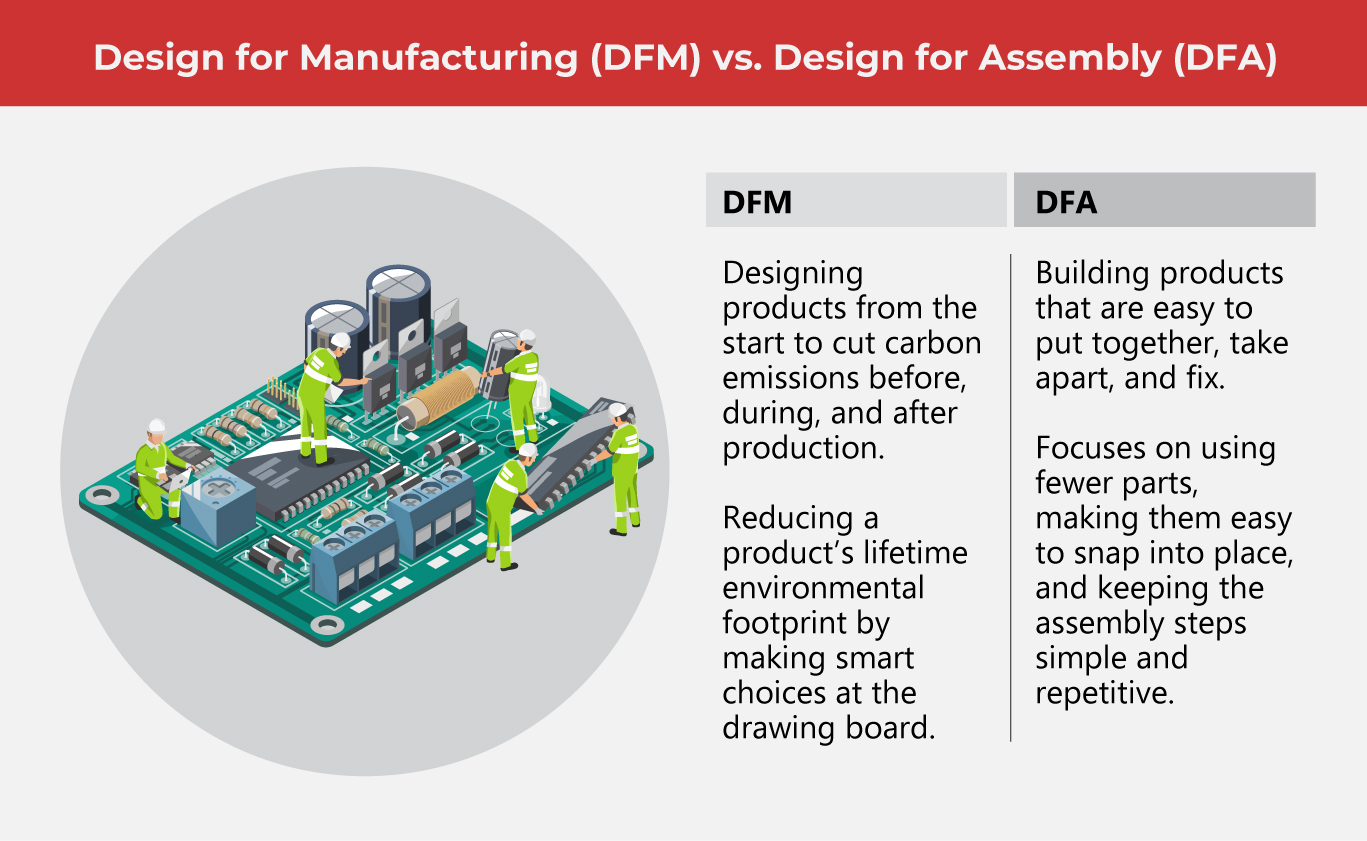
How DFM Strengthens the Manufacturing Process
The global electronic manufacturing market is expected to reach $3.4 trillion by 2030, fueled by advances in consumer electronics, IoT, medical devices, and automotive market technologies. To remain competitive and generate economic value, companies must pair innovation with DFM, which offers these advantages:
-
Sustainability
In new product introductions, early design choices shape most of a product’s environmental impact. Skipping thorough DFM evaluation can leave production and eco-efficiency issues undiscovered until manufacturing begins, raising costs and delays. By applying effective DFM methods during the design phase, companies can identify and resolve these challenges upfront, reducing risks, improving efficiency, and minimizing the product’s environmental impact.
-
Better Product Outcomes
Transform good ideas into reliably high-performing products by addressing production challenges early. Through rigorous product validation, potential flaws are caught before mass production, boosting consistency, reducing defects, and ensuring each unit meets performance standards. This approach not only strengthens reliability but also minimizes costly recalls, creating smoother manufacturing and a more dependable product for end users.
-
Faster product delivery
For companies that design products but rely on external manufacturers, advanced DFM tools can accelerate development cycles. Engineers can evaluate supplier quality and manufacturability internally, reducing the need to wait for supplier feedback or quotes for every design change. This proactive approach streamlines decision-making and ensures that products are production-ready with fewer delays and greater confidence in supplier capabilities.
-
Reduced Manufacturing Expenses
Optimized designs streamline production by reducing process steps, scrap, and manual rework, generating significant savings at scale. By leveraging the renewable energy market and combining analytical tools with sustainability metrics, manufacturers can quickly compare options and iterate toward solutions. Even for existing products, targeted process improvements reveal opportunities to cut costs and lower CO₂ without compromising form, fit, or function.
-
Scalability
Scaling production doesn’t have to be as risky. DFM ensures products move seamlessly from prototype to mass production, cutting errors and bottlenecks as demand rises. By integrating manufacturability early, companies can expand output efficiently, maintain consistent quality, and adapt to market growth without redesigns or delays.
(Also read: How IMI Can Improve Your Products with Testing & Calibration)
Strengthening Electronics with DFM
In today’s fast‑paced electronics landscape, integrating DFM into product development has become a strategic necessity. Electronic products that are designed with manufacturability in mind not only ship faster and at lower cost, but also achieve higher reliability and predictable performance over time. To make this happen, engineers must embed key DFM tactics early in the design process, from component selection to testing strategies.
One of the foundational DFM strategies is component standardization. By selecting widely available, industry‑standard parts, manufacturers can avoid supply shortages that stall production. Standardized components simplify the Bill of Materials (BOM), reduce procurement complexity, and lower overall costs. This approach also improves long‑term support, especially for products expected to remain in service for years.
Optimizing the printed circuit board (PCB) layout plays a similarly critical role. Smart PCB design can dramatically reduce signal noise and production errors. Minimizing trace length and maintaining uniform pad sizes allow for more reliable automated soldering, improving yield rates and consistency.
Additionally, attention to thermal analysis during the design phase ensures that heat‑generating elements are placed strategically to avoid hot spots that can shorten component life or trigger failures. Incorporating heat sinks early saves costly redesigns later.
Efficiency on the assembly floor matters just as much as what happens on the screen. Designing boards that are friendly to automated pick‑and‑place machines and avoiding awkward component orientations directly improve throughput. Assembly‑centric design cuts down on manual intervention, reduces human error, and accelerates time to market.
Another vital element of DFM in electronics is seamless integration of testing solutions. Adding accessible test points on the PCB makes diagnostics and debugging far easier during both manufacturing and field service. Boundary‑scan testing provisions and automated Design Rule Checks (DRC) catch layout errors before fabrication, reducing costly respins. Planning for global compliance early in the design process also avoids expensive compliance rework later.
Modern electronics products span long lifecycles, so effective lifecycle management is essential. Tracking part availability and planning for End‑of‑Life (EOL) scenarios prevents last‑minute redesigns when a key component becomes obsolete. Embracing modular design further future‑proofs devices, allowing upgrades without a full board redesign.
Lastly, a robust understanding of a product’s product life profile helps engineers anticipate real‑world stresses and usage patterns, feeding back into design improvements. Coupled with strong engineering capabilities, these DFM practices not only streamline production but also raise the bar for quality, reliability, and long‑term customer satisfaction. In an industry defined by complexity and competition, DFM is the cornerstone that turns innovative ideas into manufacturable, dependable electronics. As one of the Top 30 EMS companies in the world, IMI has over 40 years of experience in providing electronics manufacturing and technology solutions.
We are ready to support your business on a global scale.
Our proven technical expertise, worldwide reach, and vast experience in high-growth and emerging markets make us the ideal global manufacturing solutions partner.
Let's work together to build our future today.
Other Blog