COVID-19 Changed Manufacturing in 7 Big Ways
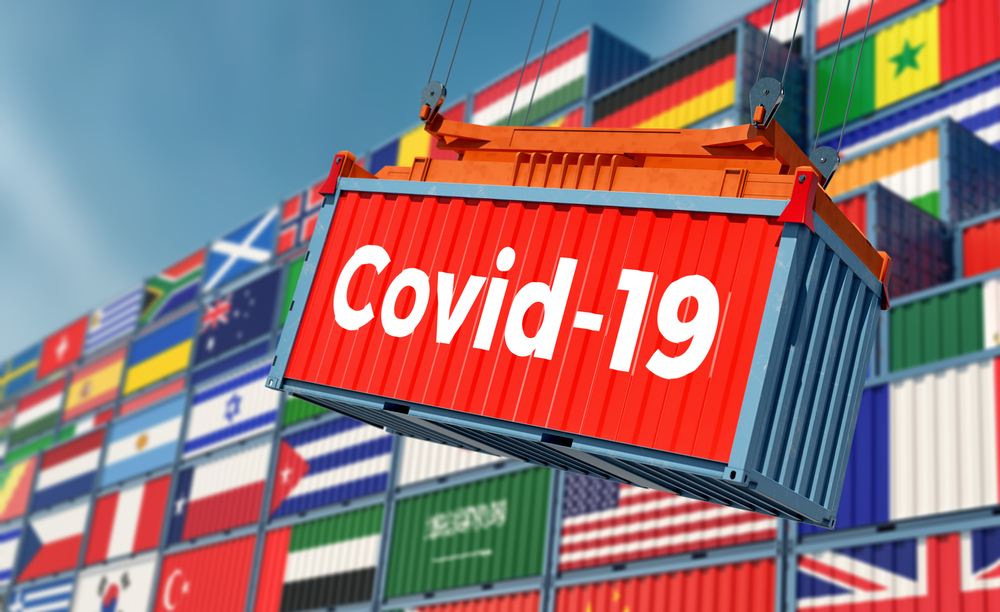
Five years after the pandemic, society and industry are still adapting to a new reality. Manufacturing, in particular, has felt COVID-19’s full weight, with production, demand, and supply chain management all disrupted at once. This piece explores how those pressures reshaped the sector and how manufacturers continue to adjust in a more complex, post-COVID landscape.
When the COVID-19 pandemic hit in early 2020, workers across the country were instructed to stay home and limit contact with others to slow the virus’s spread. This shift caused significant disruptions in the global manufacturing sector. Production slowed or even halted entirely, while supply chains struggled as upstream materials became scarce.
When the pandemic forced industrial manufacturing worldwide to close and workers to stay home, production and delivery of goods ground to a halt. Unlike localized disruptions caused by natural disasters or conflicts, COVID-19 struck nearly every country at once, exposing the hidden fragility of global supply chains.
As demand for goods surged in the weeks that followed, businesses struggled to keep up. Shortages of raw materials, components, and transport capacity, combined with the difficulty of quickly finding alternative suppliers, created bottlenecks that reverberated from manufacturing industries to consumers.
In terms of demand, the pandemic created a clear divide across industries, reshaping product development priorities. Travel and related sectors saw sharp declines, while consumer packaged goods, electronics, and medical supplies such as ventilators, masks, and hand sanitizer experienced unprecedented surges. Manufacturers worked around the clock, exposing both the fragility and adaptability of supply chains.
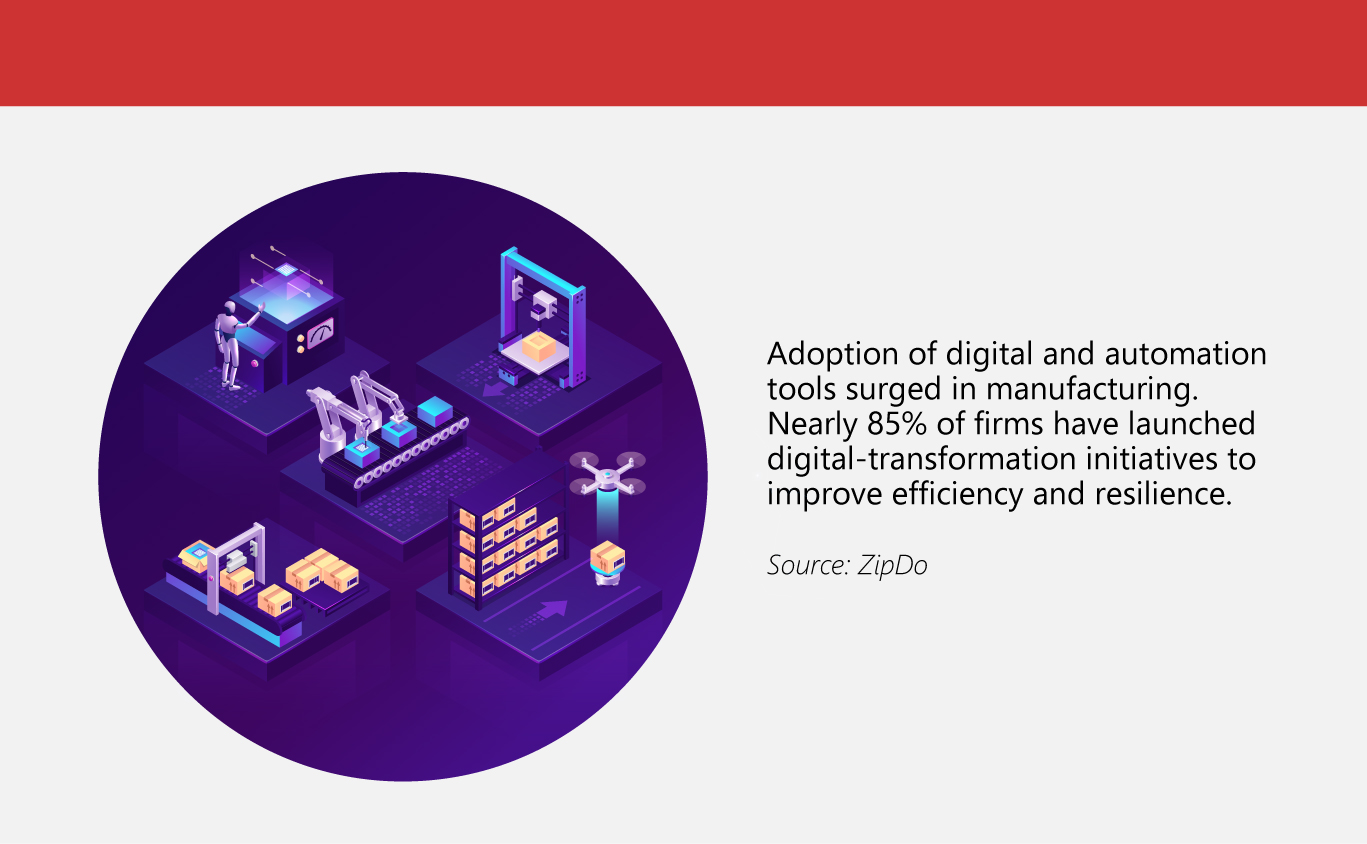
Five years after the pandemic reached its peak, manufacturers continue to apply the lessons learned from those disruptions. Companies have increased their investments in supply chain resiliency to mitigate the impact of future shocks, while leveraging artificial intelligence (AI) and automation to enhance efficiency and informed decision-making. They are also redesigning difficult-to-fill roles to attract and retain those who want to grow their careers in manufacturing.
(Also read: Improve Your Supply Chain with AI)
7 ways the pandemic reshaped manufacturing
The pandemic triggered sweeping changes across manufacturing technologies and industries, leaving behind shifts that continue to shape how factories operate today.
- Stronger supplier partnerships
Manufacturers recognized that clearer, more consistent communication became essential during the pandemic’s supply-chain turmoil. Companies began coordinating more closely with suppliers to share forecasts and inventory data, while keeping customers informed about potential delays and adjusting demand through strategic pricing. This shift toward open, continuous dialogue helped improve operational efficiency and strengthened supplier relationships.
- Upgraded workforce skills
More than a million U.S. manufacturing jobs were wiped out, and although employment later recovered, companies have struggled to attract and keep workers. In response, firms are leaning hard on future-ready measures like automation, AI-driven operations, and major upskilling efforts to modernize factory roles. Employers are redesigning shop-floor work with digital tools and tech-forward workflows to appeal to a new generation seeking more advanced, flexible career paths.
- Supply chain in focus
Because the pandemic disrupted factories, transport, and labor worldwide, supply chains collapsed under strain, exposing how fragile “just‑in‑time” systems were in the industrial market. As delays, shortages, and shipping bottlenecks mounted, companies scrambled to rebuild supply networks, diversify suppliers, and invest in digital tools for visibility and planning. With supply and demand becoming erratic, supply‑chain resilience became essential.
- Tapping new markets
The pandemic upended traditional demand and supply channels, forcing manufacturers to rethink their customer base. Companies pivoted from struggling sectors to emerging needs, including medical electronics and supplies, essentials, and direct-to-consumer products. This shift accelerated efforts to explore and enter new markets, turning disruption into opportunity and reshaping manufacturing solutions for resilience and growth.
- The rise of remote work
Manufacturing offices have increasingly embraced remote work, moving administrative, design, and supply chain roles online. Companies leverage digital tools, cloud platforms, and hybrid policies to maintain operations, improve flexibility, and reduce on-site density. This shift has reshaped collaboration, strengthened manufacturing capabilities, streamlined decision-making, and influenced operational strategies, driving greater adaptability across the sector.
- Prioritizing cash flow
Facing sudden order cancellations and volatile pricing, manufacturers rushed to strengthen liquidity. Maintaining cash flow became critical to sustain operations amid uncertainty. Companies sped up receivables, curtailed non-essential spending, and tightened working-capital management. Supply-chain disruptions and fluctuating demand highlighted the importance of cash reserves, making liquidity a top priority for stability and long-term economic value.
- Planning for the future
Caught off‑guard by supply‑chain breakdowns and volatile demand, manufacturers shifted toward a future-focused strategy. They embraced diversified sourcing, near-shoring, automation, and advanced digital tools to boost resilience, agility, and operational visibility. This long-term approach helps companies navigate uncertainty, maintain continuity, and build sustainable strength while preparing for evolving market challenges and growth opportunities.
(Also read: Top 10 Manufacturing Trends You Shouldn’t Ignore)
Building resilient manufacturing for an uncertain future
The pandemic exposed vulnerabilities in manufacturing, revealing that lean supply chains and minimal buffers can no longer guarantee stability. While extra inventory can temporarily mask weaknesses, it cannot shield businesses from prolonged disruptions. New challenges, including geopolitical tensions, inflation, and shifting market dynamics, underscore the importance of robust, forward-looking networks.
Globalization has woven supply chains across continents, linking nations and fostering collaboration on an unprecedented scale. These networks are powered by human relationships—trust, cooperation, and shared expertise—that form the backbone of modern manufacturing. Preserving and strengthening these connections will be crucial in building systems that are flexible and resilient.
Even as global trade and logistics gradually recover, the lessons of the pandemic endure. Companies are embracing contingency plans, remote operations, and digital collaboration tools to respond rapidly to changing circumstances.
Ultimately, manufacturers must prioritize adaptability. While no one can predict the next disruption, businesses can equip themselves with strategies that allow swift pivots in supply, production, and operations. By remaining resilient, resourceful, and responsible—and by continually reinventing processes—manufacturers can transform the lessons of the pandemic into lasting strength, ensuring future challenges are less damaging, and the sector emerges stronger, smarter, and more prepared than ever.
As one of the Top 20 EMS companies in the world, IMI has over 40 years of experience in providing electronics manufacturing and technology solutions.
We are ready to support your business on a global scale.
Our proven technical expertise, worldwide reach, and vast experience in high-growth and emerging markets make us the ideal global manufacturing solutions partner.
Let's work together to build our future today.
Other Blog