Smart Cards Keep Getting Smarter

The unassuming plastic exterior of a chip card belies the sophisticated integrated circuitry that now powers almost every facet of modern digital life. From the SIM cards in our mobile devices to the secure elements embedded in passports and company badges, these tools share a common, essential core functionality: providing a tamper-resistant vault for safe authentication and communication between devices. By moving beyond simple passwords to high-level cryptographic operations, smart cards have become the cornerstone of digital identity, representing an individual’s credentials through safeguarded data processing and the storage of encrypted keys.
This architecture is increasingly vital as the global demand for hardware-backed identity solutions grows. In the field of medical electronics, these chips ensure that sensitive patient data and healthcare records remain accessible only to authorized personnel, maintaining privacy in a connected ecosystem. Similarly, the automotive market has adopted this technology to manage communication and digital identification, turning the traditional car key into a complex, chip-based credential.
Even the aerospace sector relies on the rigorous safeguards of integrated circuits to manage access control and protect critical data against unauthorized entry. As the world pivots toward a mobile-based existence, the ability of a smart card to store and process data locally remains a primary defense. Whether used for a simple payment transaction or a complex digital signature, these devices provide a portable, reliable, and convenient foundation for the global digital identity ecosystem, proving that their modest appearance hides an immense power to keep our most sensitive information safe.
(Also read: AI Can Improve Cybersecurity in 10 Ways)
The Smart Card Outlook: Growth and Key Trends
The global smart card market is entering a decade of significant expansion, with its valuation projected to rise from $12.4 billion in 2026 to $23.7 billion by 2036. This growth reflects a 91.1% surge in total market value. A comprehensive market analysis indicates that this trajectory is sustained by a 6.7% compound annual growth rate (CAGR), driven by the persistent need for authentication infrastructure.
A major contributor to this momentum is the telecommunications sector, where modern SIM and eSIM technologies are essential for managing digital identity and network access. Rigorous product validation remains a priority for manufacturers to ensure these chips meet high security standards and interoperability requirements.
In 2026, contact-based cards are expected to maintain a 56.8% market share, favored for their proven reliability in high-volume environments like banking and government services. Financial applications will account for 47.2% of the market, as institutions prioritize hardware-based encryption to coordinate protected transactions and combat sophisticated fraud.
The global smart card market is undergoing a period of robust expansion as industries prioritize high-security authentication and hardware-based data protection. This growth is primarily fueled by a shift toward contactless and dual-interface technologies, which align with modern consumer demands for speed and efficiency in retail and transit. However, manufacturers must navigate significant headwinds, including the rising competition from mobile-driven digital wallets and the substantial capital required to upgrade legacy infrastructure to support advanced encrypted systems.
A key driver in 2026 is the strategic product introduction of biometric-enabled cards and next-generation microcontrollers. These innovations integrate fingerprint sensors and real-time identity verification directly onto the card, effectively bridging the gap between physical credentials and digital ecosystems.
Furthermore, the industrial market is increasingly adopting smart card technology to protect the growing Internet of Things (IoT) landscape.
(Also read: Telco Testing Gets a Boost from AI)
The Rise of AI-Powered Smart Cards
AI has become a foundational force in modern product development, influencing everything from consumer electronics to global manufacturing. As an all-encompassing technology, it enhances human capability and productivity across healthcare and commerce. By integrating intelligence at the chip level, AI is now a universal tool that touches billions of lives.
-
NVIDIA’s "Physical AI" Leap
NVIDIA is aggressively defending its dominant market position by pivoting toward "physical AI"—a process where models are trained in simulated environments before deployment on hardware. At a recent press event, CEO Jensen Huang unveiled Cosmos, a foundation model capable of simulating physics-governed environments, alongside Alpamayo, a breakthrough "reasoning" AI for autonomous vehicles.
To support these massive computational demands, Nvidia has launched production of its next-generation Vera Rubin superchip platform. Named after the famed astronomer, this new architecture provides the enhanced speed and storage capacity necessary to maintain Nvidia’s lead against a growing field of competitors.
-
AMD’s AI Expansion
American semiconductor company Advanced Micro Devices (AMD) is aggressively expanding its AI footprint with the launch of the Ryzen AI 400 Series, specifically engineered for high-performance personal computing. These processors significantly outperform rivals, delivering 1.3 times faster multitasking and a 70% boost in content creation speeds. Complementing this lineup is the Ryzen 7 9850X3D, a dedicated solution for the gaming market, with both chips hitting the market in early 2026.
This hardware push follows a landmark partnership with OpenAI, which includes a chip supply agreement and an investment option, positioning AMD as a primary challenger in the rapidly evolving semiconductor landscape.
-
The Rise of Agentic Commerce
CES 2026 revealed a retail landscape redefined by "agentic commerce," where AI agents manage the entire shopping journey from discovery to payment. Innovations like VenHub’s autonomous robotic stores and GE’s scanner-equipped smart fridges demonstrate a shift toward frictionless, 24-hour retail. As AI begins to curate and execute transactions within a single interface, payment giants Mastercard and Visa are emerging as frontrunners, establishing the security standards necessary for autonomous buying.
Security for a Connected World
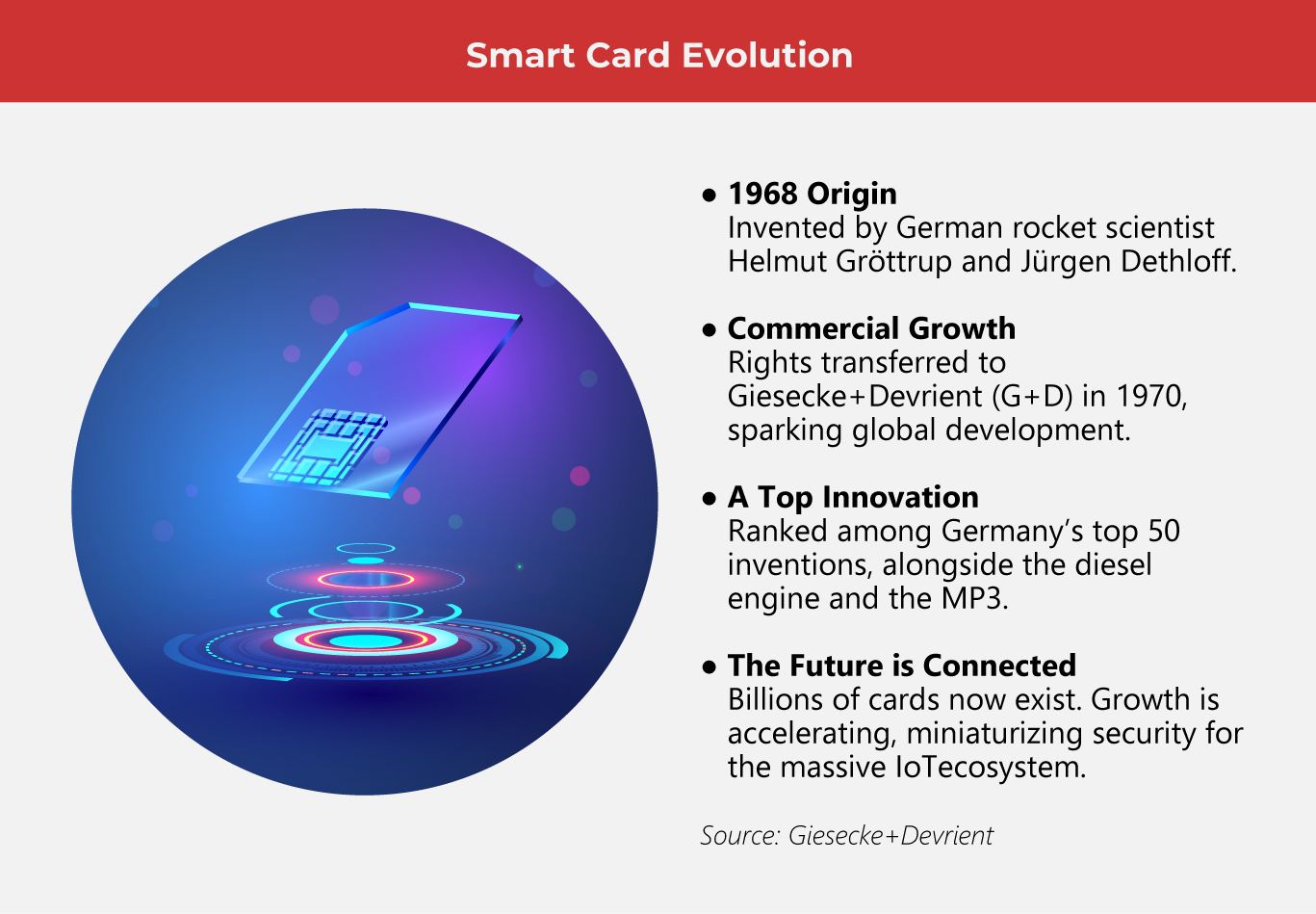
Once revolutionary, smart cards have become as indispensable to modern life as the mobile phones and networks they support. This seamless integration is a testament to the pioneering engineering of the late 20th century, which transformed complex chip technology into an everyday tool for billions. By streamlining how we interact with digital systems, these innovations have fundamentally enhanced the efficiency of global commerce and personal security.
Looking ahead, the evolution of digital identity frameworks ensures that smart cards remain central to our connected future. As the digital age demands increasingly sophisticated authentication, these secure hardware solutions will continue to adapt. They stand as the reliable foundation for a world that requires constant, trusted verification across every device and transaction.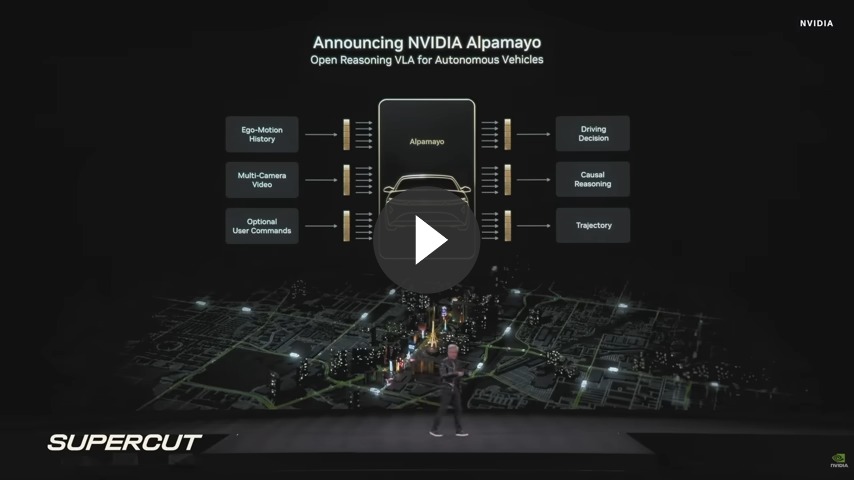 As one of the Top 30 EMS companies in the world, IMI has over 40 years of experience in providing electronics manufacturing and technology solutions.
We are ready to support your business on a global scale.
Our proven technical expertise, worldwide reach, and vast experience in high-growth and emerging markets make us the ideal global manufacturing solutions partner.
Let's work together to build our future today.
Other Blog