Top 5 Benefits of Smart Metering
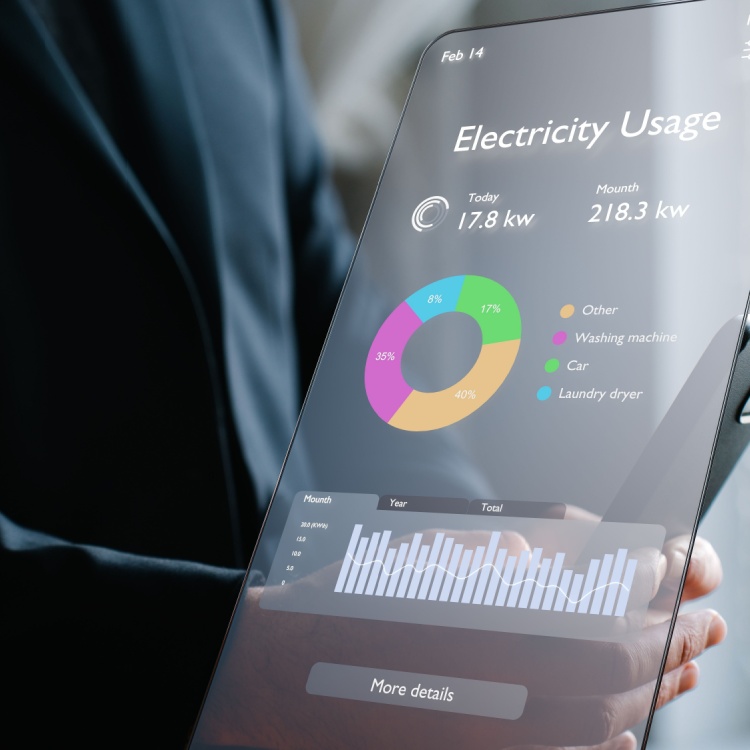
The Manila Electric Company (Meralco) is accelerating its transition to a more future-ready power network after signing an agreement for the deployment of more than 72,000 additional smart meters in 2026. The rollout is part of its Advanced Metering Infrastructure (AMI) program, which aims to install roughly 12 million smart meters across its service area over the next decade. Around 196,000 units have already been deployed.
The new meters are expected to modernize electricity management through real-time consumption tracking, remote meter operations, and quicker outage identification. For consumers, the technology offers greater visibility over energy use and more efficient service delivery, while supporting the development of a smart grid capable of responding faster to disruptions.
What Smart Metering Delivers
The global smart electric meter market continues to expand as utilities invest in digital technologies that strengthen operational efficiency. Industry projections indicate that market revenues could reach roughly $20 billion by 2026.
Advanced metering technology offers these practical and far-reaching benefits:
-
Accurate and automated billing
Households benefit from more precise billing as consumption data is transmitted directly to suppliers, removing reliance on estimates. This reduces the risk of overpayment and removes the need for manual meter readings or scheduled inspections. Consumers receive charges aligned with actual usage, improving transparency while simplifying the entire billing process and day-to-day account management.
-
Real-time energy monitoring
Smart meters give households clearer insight into their live electricity consumption. Through in-home displays and connected apps, users can identify high-usage appliances and detect patterns in daily demand. This real-time visibility helps encourage more mindful energy behavior, making it easier for consumers to understand and manage how electricity is used at home.
-
Boosted savings
Delivering clear economic value, smart meters are linked to studies showing households can reduce energy use by up to 15%. This is supported by advanced data analytics and big data integration that turn consumption data into actionable insights. By revealing usage patterns, the technology encourages more efficient electricity consumption and helps minimize unnecessary demand.
-
Better grid stability
A broader rollout of smart meters allows households to benefit from a more stable and responsive electricity grid. As millions of devices feed real-time consumption data into the system, utilities are better able to manage peak demand and balance supply. This improved coordination also supports the growth of the renewable energy market, enabling smoother integration of variable clean energy sources into the grid.
-
Remote connectivity
Through mobile applications, smart meters now offer remote connectivity that lets users track electricity use anytime. This enhances access to real-time data and encourages better-informed consumption choices. Still, adoption is not uniform, as some households struggle with the technology. Ongoing efforts are needed to improve usability and strengthen consumer engagement in energy management.
(Also read: What’s Next for Renewables This 2026?)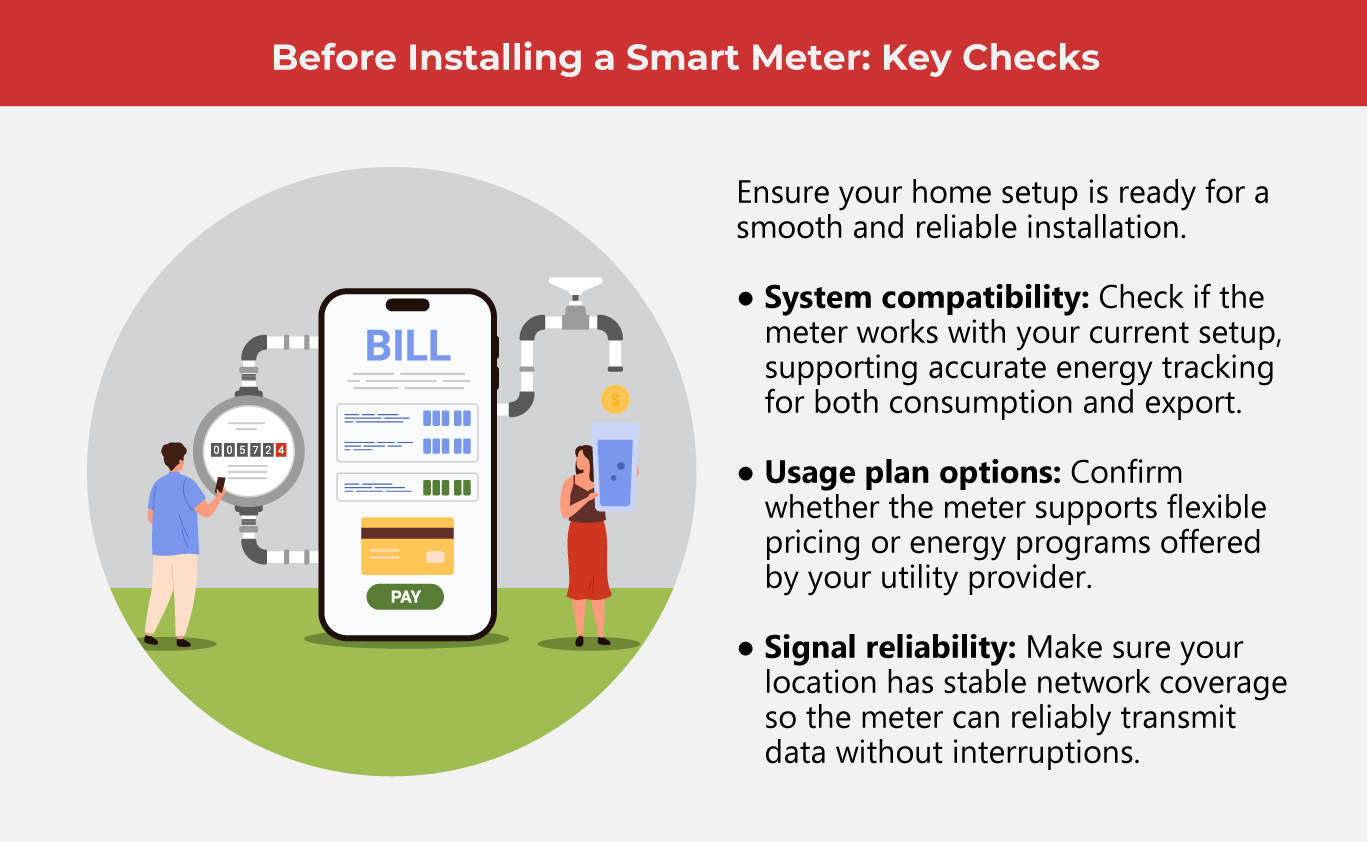
Who Gets the Most Value from Smart Meters?
As smart meters undergo reliability testing, their benefits become most evident among specific user groups.
-
Solar-equipped households
Homes with solar panels and battery systems depend on accurate data to understand generation, storage, and energy exported back to the grid. Smart meters make this possible by providing detailed, real-time insights that help optimize renewable energy use. As part of a new product introduction, they also deliver precise import and export readings, clearer visibility of system performance, and improved control over battery charging cycles, allowing households to manage energy more effectively and efficiently.
-
Homes focused on smarter energy use
Some want a clearer picture of how electricity is consumed in their homes. Smart meters respond to this need by delivering real-time data that reveals which appliances are driving usage, when consumption peaks occur, and where inefficiencies may be emerging. This detailed visibility helps uncover patterns that are often overlooked, making it easier to adjust routines and make better day-to-day decisions about household consumption.
-
Forward-looking smart home owners
Households preparing for electric vehicle (EV) chargers or integrated smart-home energy systems are increasingly reliant on advanced metering to support seamless operation. Smart meters provide the foundation for reliable energy coordination across connected devices. They enable accurate load tracking and system integration, ensuring households can manage electricity demand more efficiently. This configuration enables smoother integration with EV charging systems and home energy platforms, supporting the wider shift toward new energy and mobility solutions.
(Also read: What’s New and Next for Green Mobility?)
Limitations of Smart Meters
Smart metering also comes with certain challenges that need to be considered, especially when viewed alongside environmental indicators that measure energy system performance and impact.
-
Data overload
For some households, the shift to smart meters can be initially overwhelming, as in-home displays present large amounts of real-time data that are not always easy to interpret. A study by the Consumer Federation of America found that some consumers felt overloaded by the information, underscoring the importance of education to ensure the technology’s benefits are fully realized.
-
Data security concerns
Concerns around data security at risk continue to shape public perceptions of smart electric meters, particularly as these devices collect detailed household energy information. A report from the Electric Power Research Institute found that around 70% of consumers express privacy concerns linked to this technology. These findings highlight the importance of building user confidence through clear communication and stronger safeguards. As adoption grows, transparency, protection measures, and ongoing awareness remain essential to ensure trust and responsible data use.
-
Challenges in connecting legacy devices
Older equipment may face compatibility challenges as energy systems become more digital and interconnected. Legacy devices often lack the technical capability to fully integrate with modern smart metering infrastructure, leading to potential gaps in performance and communication. According to industry analyses on grid modernization, aging systems remain a key barrier to seamless adoption of advanced energy technologies. Ensuring interoperability between old and new systems remains an important focus.
-
Benefits rely on behavioral adaptation
Smart meters deliver detailed insights into household electricity use, but their value depends on how that information is applied. They do not automatically reduce consumption or control appliances. Meaningful savings are typically achieved when users adjust habits, such as shifting demand to more efficient periods or using complementary energy management tools. While smart meters measure usage in real time, automated control requires separate smart systems capable of responding to pricing signals or renewable energy conditions.
Building a Digital Energy Future
Smart meters mark the early stage of a wider shift toward a more connected and intelligent energy system. As electricity networks evolve, greater integration of rooftop solar, carbon tracking tools, and advanced analytics is expected to shape future developments.
These systems already encourage more efficient energy use by giving consumers clearer insight into consumption patterns, while maintaining attention to data protection and security. Over time, continued innovation is set to strengthen sustainability, efficiency, and long-term value for users.
 As one of the Top 30 EMS companies in the world, IMI has over 40 years of experience in providing electronics manufacturing and technology solutions.
We are ready to support your business on a global scale.
Our proven technical expertise, worldwide reach, and vast experience in high-growth and emerging markets make us the ideal global manufacturing solutions partner.
Let's work together to build our future today.
Other Blog