The Rise Of Agentic AI In EMS

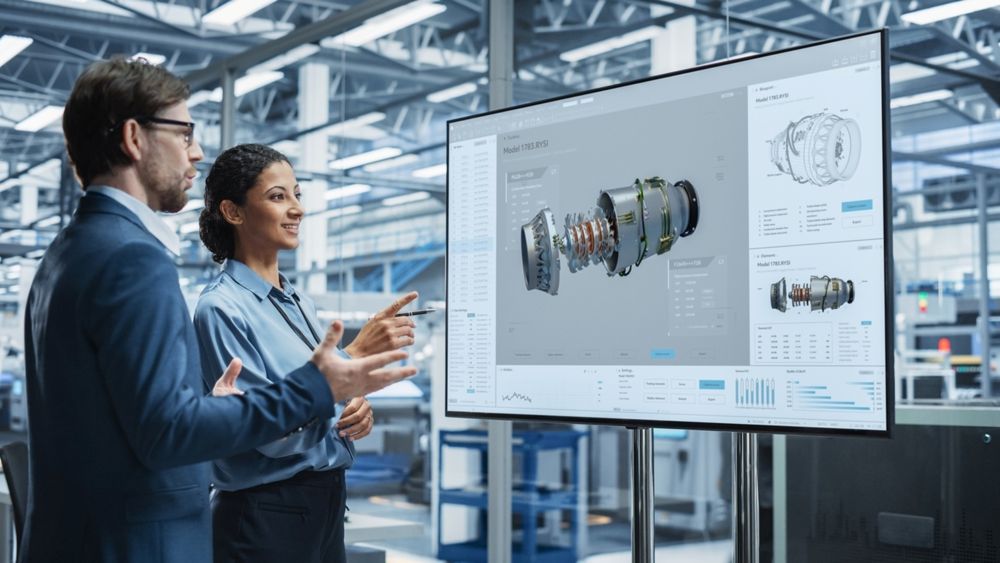
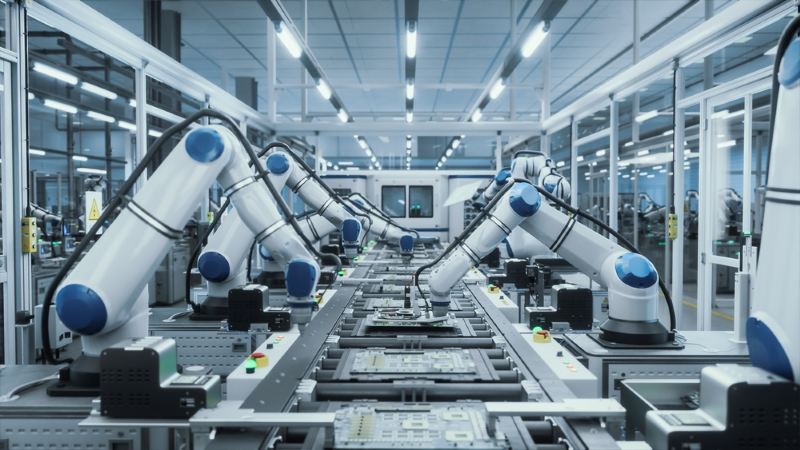
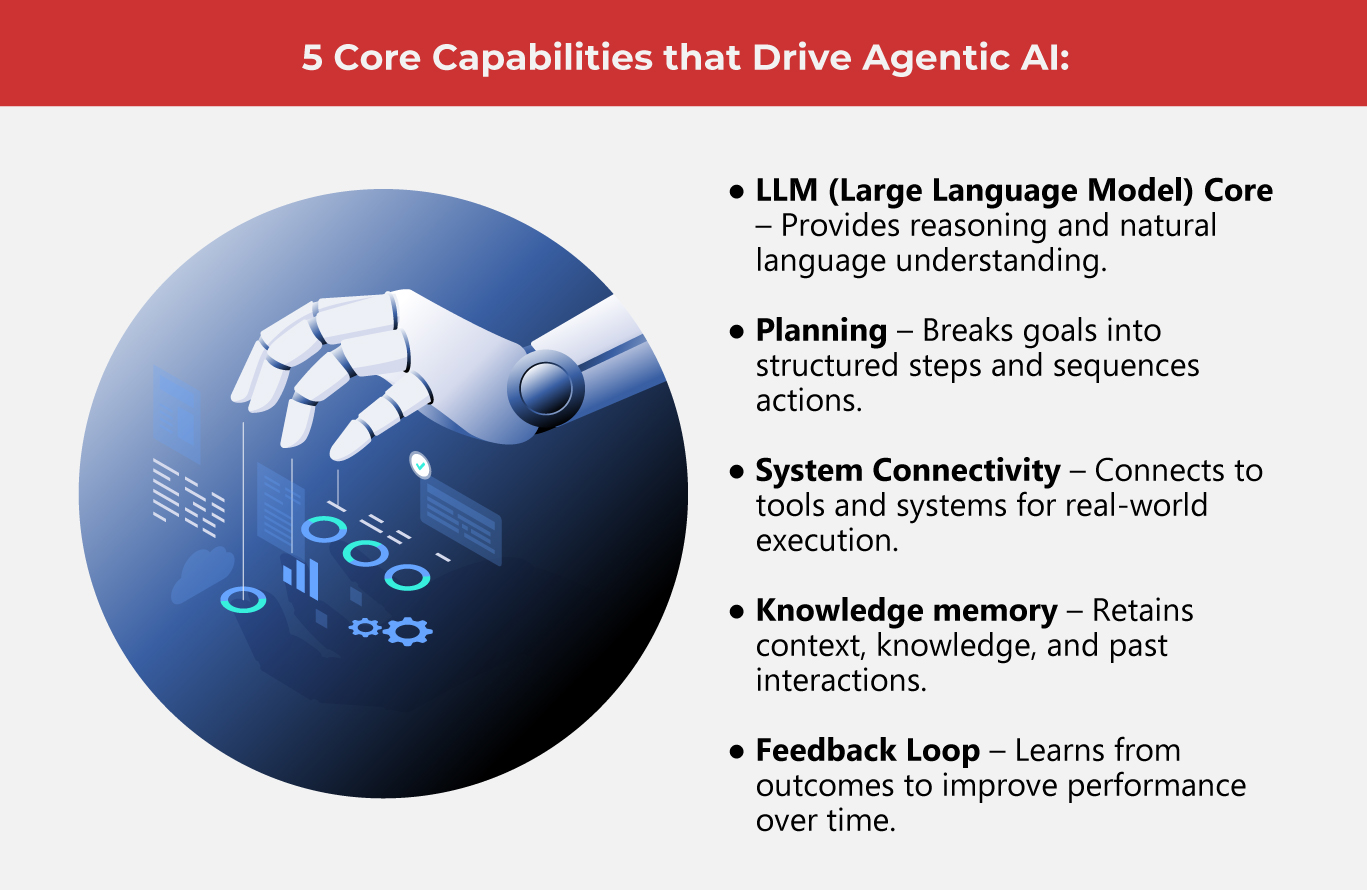
Agentic AI is transforming industrial markets by replacing rigid automation with cognitive manufacturing. Unlike legacy systems, these autonomous agents perceive environmental shifts and execute corrective actions independently. By bridging digital insights and physical execution, they create environments where downtime is neutralized, and production cycles stay optimized.
This shift drives manufacturing excellence by prioritizing the precision of full-cycle execution. Collaborating across the shop floor, these systems synchronize supply chain logistics with live assembly performance to maximize resource efficiency. Adopting these frameworks builds the resilience needed to navigate market volatility, setting the 2026 standard for competitive smart factories.
(Also read: Securing Your Supply Chain This 2026)
10 Agentic AI Applications Across EMS Manufacturing
Agentic AI is revolutionizing Electronics Manufacturing Services (EMS) by transforming passive data into autonomous action. By instantly reconciling Bills of Materials (BOMs) with live global inventories and tariffs, these agents eliminate procurement bottlenecks that derail schedules.
Modern providers leverage massive cross-industry data pools and rigorous digital processes to deploy this technology, offering Original Equipment Manufacturers (OEMs) unprecedented speed and operational resilience.
Beyond simple automation, agentic AI introduces a suite of strategic advantages that redefine modern manufacturing:
-
Accelerated innovation
The dawn of agentic AI is supercharging the initial sparks of innovation within product design and development. These digital researchers compress R&D timelines by up to 80% through independent material composition analysis and rapid prototyping. By synthesizing vast datasets into actionable breakthroughs, the technology enables manufacturers to launch superior, cost-effective products with unprecedented speed.
-
Predictive maintenance
Continuous production hinges on preempting mechanical failure before it halts the line. Autonomous systems transform sensor data into foresight, predicting technical issues days in advance to coordinate repairs during lulls. This intelligence secures product validation by detecting microscopic flaws, slashing defects by half, and ensuring every unit meets rigorous standards.
-
Strategic procurement
Agentic AI transforms sourcing from a manual grind into a proactive strategic engine. Beyond simple analysis, these systems scan global databases to vet supplier quality and independently initiate onboarding. By monitoring real-time geopolitical and financial risks, they trigger immediate contingencies and automate replenishment, slashing waste while optimizing working capital.
-
Synchronized inventory control
Real-time visibility across global warehouses allows autonomous systems to eliminate the guesswork of inventory management. By aligning component reordering with precise demand forecasts, these agents facilitate lean manufacturing principles that slash holding costs by 30%. Optimized delivery routes further ensure that materials arrive exactly when needed, maximizing operational flow.
-
Dynamic operational efficiency
Tomorrow’s factory floor operates as a living system, where autonomous intelligence fine-tunes production variables in real-time. By integrating technologies like digital twins with constant thermal analysis, these agents independently adjust temperatures and speeds to maintain consistency. This synergy allows for virtual testing and immediate physical execution, ensuring peak operational efficiency.
-
Adaptive energy management
Beyond basic efficiency, agentic AI unlocks economic value by aligning power usage with volatile utility markets. These agents monitor real-time pricing fluctuations to independently adjust heavy machinery cycles and energy-intensive tasks. By shifting consumption to off-peak windows without human intervention, factories drastically lower overhead while stabilizing the grid.
-
Resilient logistics networks
Manufacturers are moving beyond static rules to embrace agentic supply chain management. These intelligent collaborators independently reroute shipments during disruptions and rebalance regional stock in real-time. By orchestrating inventory flows and negotiating logistics autonomously, they transform reactive distribution into a resilient network that absorbs global volatility within minutes.
-
Boosted sustainability
Autonomous systems transform green initiatives from passive reporting into active operational control. By deploying precision algorithms that eliminate material waste and fine-tuning machinery for peak efficiency, these agents directly improve key environmental indicators. Furthermore, they automate complex carbon footprint tracking, ensuring seamless compliance while lowering the factory’s ecological impact.
-
Enhanced customer experience
Driven by precision, agentic AI bridges the gap between the factory floor and the end user. By providing real-time production updates and hyper-accurate delivery forecasts, they eliminate uncertainty. These manufacturing solutions can even trigger custom product adjustments based on direct feedback, ensuring a personalized, high-quality journey for every client.
-
Elevated brand reputation
Transparency is a high-value customer preference, and autonomous systems transform the buyer’s journey from a black box into a clear, reliable partnership. By proactively communicating production milestones and securing perfect quality, agentic AI builds the prestige that ensures customers remain advocates of a consistently dependable brand.
Market Growth and Financial Impact
Propelled by a relentless drive for efficiency, the industrial sector is witnessing a massive pivot toward autonomous intelligence. Research suggests that the adoption of agentic systems will quadruple within two years, fueling a sector valuation projected to soar from $34 billion in 2025 to over $155 billion by 2030. This exponential growth isn't just about market capitalization; it represents a fundamental shift in how factories preserve value and manage risk.
The operational advantages are equally staggering. By moving beyond reactive fixes to predictive maintenance, facilities can slash maintenance costs by up to 98% and reduce equipment downtime by nearly half. These systems act as a critical shield against inefficiency, eliminating the friction of manual oversight.
Looking ahead, the integration of computer vision and sensor fusion allows for instantaneous, mid-process corrections. This capability ensures that anomalies are caught and neutralized the moment they appear, rather than after a batch is ruined. For manufacturers, this level of precision translates to a dramatic reduction in defects and a collapse of transaction cycles—shrinking processes that once took days down to mere minutes.
Navigating the AI Transition
The shift toward autonomous manufacturing offers immense potential but requires addressing legacy infrastructure and workforce skill gaps. To succeed, organizations must move beyond outdated systems by auditing high-impact processes and upskilling teams for AI-assisted workflows. Strategic partnerships and pilot programs allow for scaling without excessive risk, ensuring security and compliance remain intact.
By embracing these advancements today, manufacturers achieve the agility and environmental responsibility needed to lead the market, while those who delay risk being left behind in this industrial revolution. As one of the Top 30 EMS companies in the world, IMI has over 40 years of experience in providing electronics manufacturing and technology solutions.
We are ready to support your business on a global scale.
Our proven technical expertise, worldwide reach, and vast experience in high-growth and emerging markets make us the ideal global manufacturing solutions partner.
Let's work together to build our future today.
Other Blog