PCB and PCBA: Why They Matter
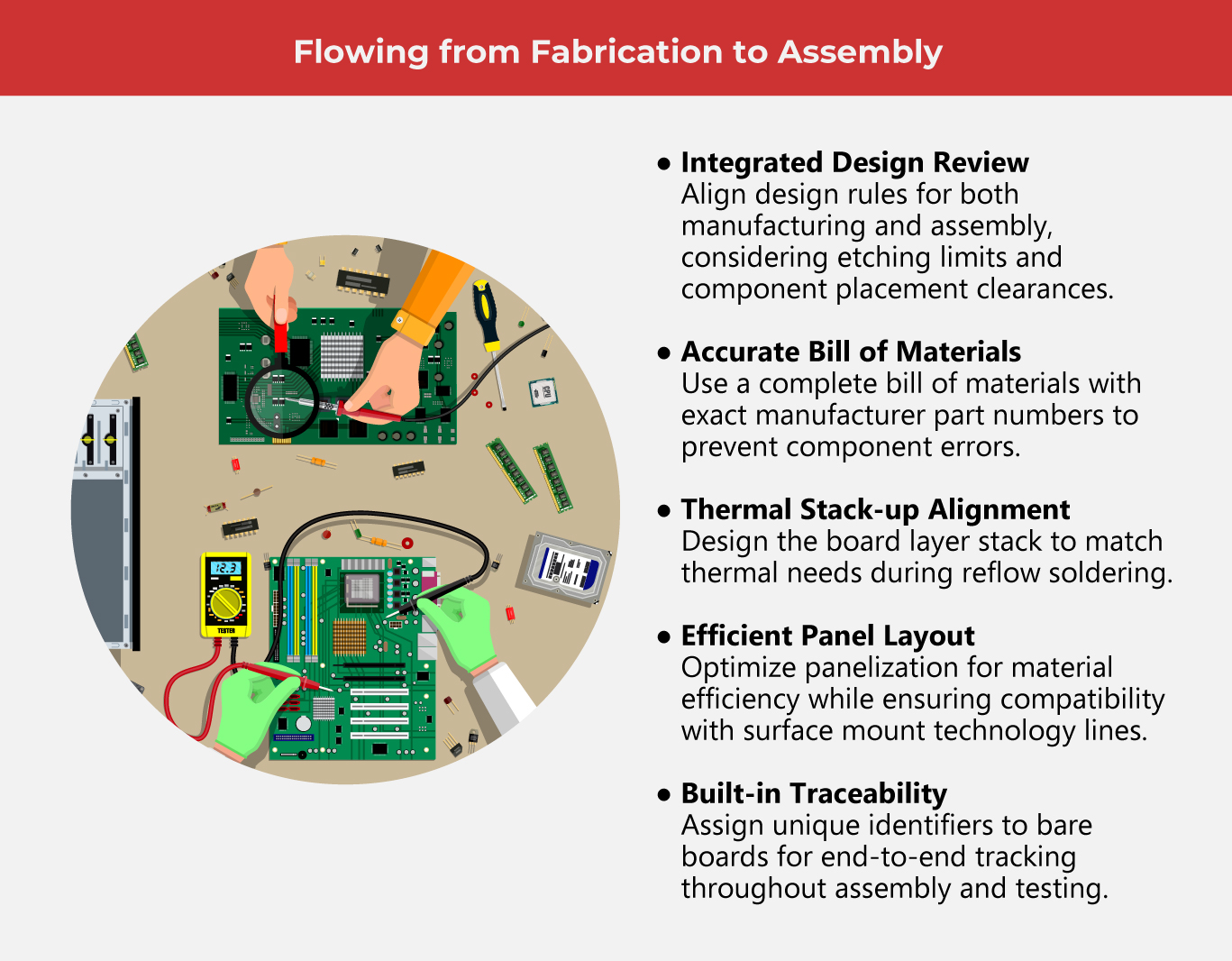
Grasping how PCB fabrication differs from PCBA helps teams make more informed planning and budgeting decisions, leading to stronger efficiency and improved economic value.
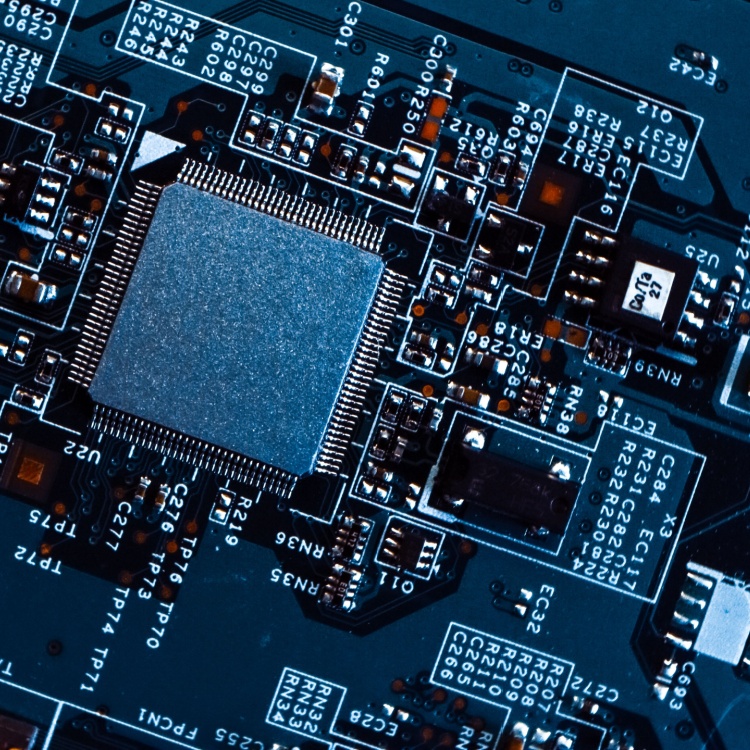
Within electronics manufacturing, PCB fabrication is the process of building the bare board that supports all electronic components. It involves selecting the right base material to balance performance and cost, forming copper patterns through etching, and creating precise holes using mechanical or laser drilling. The board is then finished with protective coatings such as Electroless Nickel Immersion Gold (ENIG) or Hot Air Solder Leveling (HASL) to ensure durability and reliable soldering.
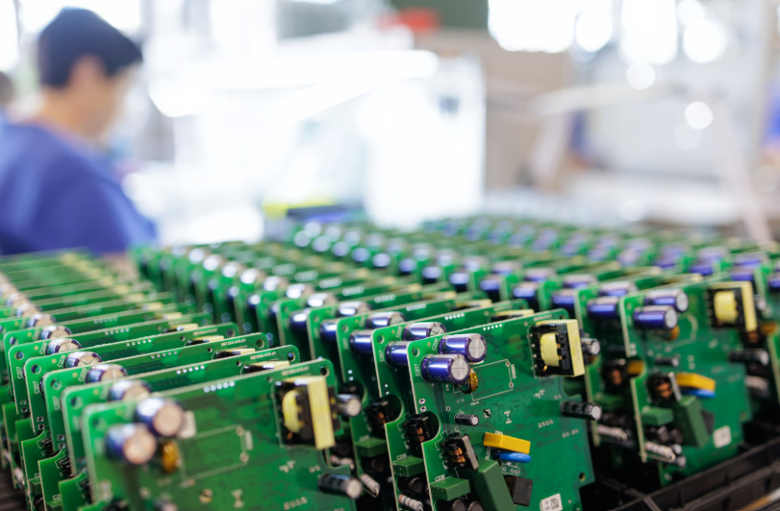
Meanwhile, PCBA is the process of mounting and soldering electronic components onto a fabricated circuit board. It uses surface mount technology (SMT) for fast, precise placement of small components, along with through-hole parts where needed. Reflow and wave soldering, then secure strong electrical connections. The finished board is tested to verify components such as capacitors and ensure the circuit works properly.
(Also read: 40% Output Boost: IMI Reinvents PCBA Testing)
The Role of Components in PCBA Performance
The performance and reliability of PCBA are strongly shaped by the quality and compatibility of the components chosen during the design stage. When unsuitable parts are used, issues such as impedance mismatches, unstable signal behavior, or early failure can arise, especially under high-stress operating conditions. This makes careful selection a critical part of ensuring long-term product stability.
Using high-grade silicon devices and certified passive components helps maintain proper electrical and thermal performance within design limits. However, strong supplier quality is just as important, since disruptions in sourcing or inconsistent part standards can affect production continuity and overall manufacturing reliability.
Effective component management supports the selection of parts that deliver stable signal integrity with minimal noise, improved resistance to moisture and environmental exposure, and dependable solderability during high-temperature reflow processes.
Why SMT Dominates PCBA
SMT has become the preferred standard in modern PCBA because it enables highly compact and efficient electronic designs. Placing components directly onto the surface of the board supports much higher component density and allows miniaturization without sacrificing functionality.
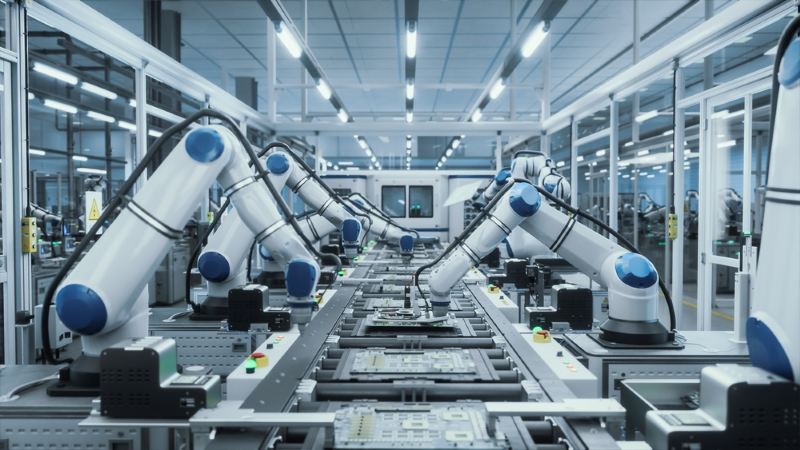
Automated placement systems operate with exceptional speed and precision, improving production efficiency while maintaining consistent quality. This approach also enhances electrical performance by reducing signal path lengths and improving high-frequency behavior.
As a result, SMT is widely used in advanced electronics, from consumer gadgets to industrial and medical devices.
Precision Stages in PCBA
PCBA assembly relies on tightly controlled manufacturing solutions to ensure both electrical performance and mechanical durability. Every step, from solder paste application to final inspection, must be executed with accuracy to prevent defects and maintain consistency.
Key assembly methods include stencil printing for precise solder volume, automated pick-and-place for accurate component positioning, and reflow soldering using carefully managed temperature profiles. For added strength, through-hole parts are secured with wave soldering. Among these steps, controlling the reflow process is critical, as improper thermal profiles can lead to hidden solder failures and long-term reliability issues.
Smart Technologies Transforming PCBA
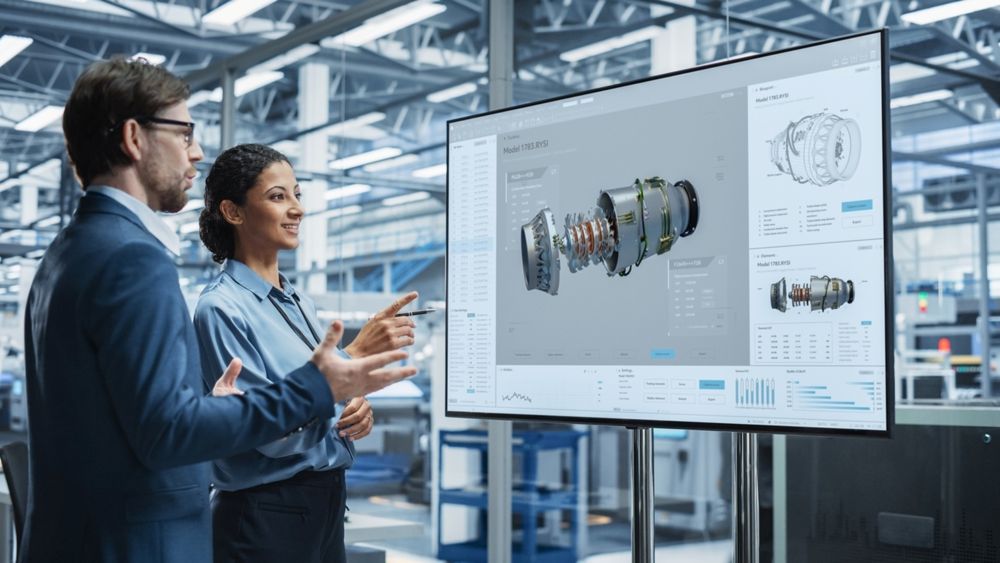
Digital twin systems are reshaping PCBA, simulating the entire build process before production begins. These virtual models enable precise thermal analysis, allowing engineers to predict heat flow during soldering and refine designs without repeated prototyping. This reduces material waste while improving overall reliability.
At the same time, artificial intelligence is enhancing inspection and operations. AI-powered systems can detect tiny defects at high speed, while predictive tools help maintain equipment and avoid downtime. Integrated supply chain management platforms also provide real-time visibility of components, ensuring smoother production flow and better responsiveness in today’s fast-paced manufacturing environment.
Where Reliability Meets Verification
Before any board leaves production, rigorous checks act as the final gatekeeper of quality. Strong test solutions are essential to catch hidden defects that could otherwise lead to failures in real-world use. This stage ensures that PCBA performs as intended and meets strict reliability expectations.
A layered approach to product validation combines multiple inspection methods. Automated visual inspection detects visible placement issues, while X-ray analysis reveals hidden solder flaws beneath complex components. In-circuit testing identifies electrical faults, and functional testing confirms that hardware and software operate together seamlessly. Together, these processes minimize risk and significantly improve overall product performance.
(Also read: How IMI Can Improve Your Products with Testing & Calibration)
Selecting the Right PCBA Manufacturer
In today’s rapidly advancing electronics landscape, achieving manufacturing excellence depends on partnering with a dependable PCBA provider that can deliver precision and scalable production to meet strict delivery requirements.
-
Proven industry experience and engineering depth
A reliable PCBA partner should demonstrate strong experience across sectors such as automotive, medical, IoT, industrial automation, and consumer electronics. This depth of exposure builds competence in handling complex circuit layouts, high-density designs, mixed-technology builds, and scalable production requirements. Strong expertise in design and engineering also ensures faster troubleshooting, higher yields, and more stable long-term performance.
-
Advanced manufacturing and assembly capabilities
Modern facilities must support high-speed SMT lines, precision pick-and-place systems, and robust through-hole processes. Integrated solder paste inspection, wave soldering, and selective soldering ensure flexibility across prototypes, low-volume builds, and full-scale mass production while maintaining consistent assembly quality.
-
Comprehensive quality systems and certifications
Strong manufacturing relies on structured quality control at every stage, including incoming material checks, in-process monitoring, and final inspections. Compliance with ISO standards such as ISO 9001 and calibration alignment with ISO 17025 ensures accurate measurement systems and dependable process control. These frameworks strengthen consistency and reduce defect rates.
-
Multi-layer inspection and testing framework
High-reliability production depends on a combination of automated optical inspection, X-ray analysis, in-circuit testing, and functional testing. This layered approach supports accurate defect detection and reduces field failure risks by identifying both surface-level and hidden assembly issues.
-
Design for Manufacturing (DFM ) support and supply chain resilience
Early-stage design and engineering support through DFM improves manufacturability, reduces cost, and increases yield. Turnkey sourcing, rapid prototyping, scalable production capacity, and efficient logistics further enhance manufacturing reliability and delivery performance.
Building Reliable PCBA Through Integrated Excellence
PCBA relies on the seamless integration of design, manufacturing, testing, and supply chain disciplines. From PCB fabrication to final validation, each stage directly influences performance, reliability, and cost efficiency. Advances in surface mount technology, digital tools, and rigorous test solutions continue to elevate product validation standards.
Ultimately, success depends on choosing a PCBA partner that combines engineering expertise, ISO-level quality systems, and scalable manufacturing excellence to deliver consistent, high-performance electronic products.
 As one of the Top 30 EMS companies in the world, IMI has over 40 years of experience in providing electronics manufacturing and technology solutions.
We are ready to support your business on a global scale.
Our proven technical expertise, worldwide reach, and vast experience in high-growth and emerging markets make us the ideal global manufacturing solutions partner.
Let's work together to build our future today.
Other Blog